






What's Happening?
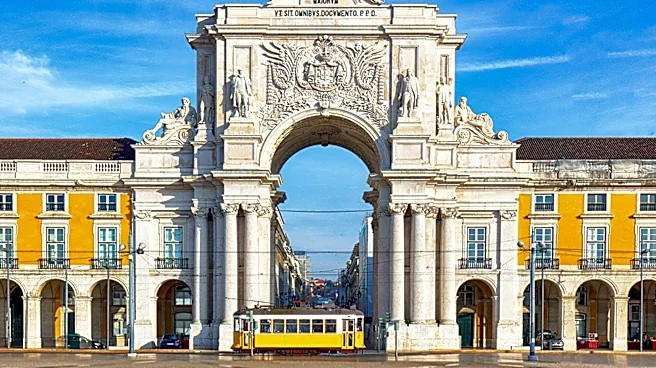
Lisbon, Portugal, is gaining recognition as a desirable winter travel destination, offering mild temperatures ranging from 54 to 63°F. This cultural capital, along with the coastal area of Comporta, provides a unique off-season experience for travelers
seeking 'slow travel' and authentic encounters. AlmaLusa Hotels are enhancing this appeal with specialized winter packages. Visitors can explore Lisbon's historic sites, such as the National Tile Museum and the MAAT, without the usual summer crowds. The city's central location also facilitates day trips to nearby attractions like Sintra and Cascais. For families, AlmaLusa Baixa/Chiado offers spacious accommodations and concierge services to arrange family-friendly activities.
Why It's Important?
The growing popularity of Lisbon as a winter destination signifies a shift in travel trends, with more tourists seeking off-peak experiences that offer cultural immersion and fewer crowds. This trend can have a positive economic impact on the local tourism industry, extending the travel season beyond the traditional summer months and providing more consistent revenue for hotels, restaurants, and cultural institutions. For travelers, it means a more relaxed and authentic experience, allowing for deeper engagement with the city's history and culture. The emphasis on 'slow travel' also aligns with broader sustainability goals, potentially reducing the environmental strain associated with mass tourism during peak seasons. The affordability of Portugal compared to other Western European destinations further enhances its appeal to a wider range of travelers.
What's Next?
As Lisbon's winter charm continues to attract attention, it is likely that more hotels and tour operators will develop specialized off-season packages and experiences. The city may see increased investment in infrastructure and services catering to winter tourists, potentially leading to a more diversified tourism economy. Marketing efforts will likely highlight the mild climate, cultural richness, and reduced crowds to further solidify Lisbon's position as a year-round destination. This could also lead to a greater focus on sustainable tourism practices to manage the increased visitor numbers responsibly, ensuring the preservation of the city's cultural and natural heritage.
Beyond the Headlines
The rise of Lisbon as a winter travel hotspot reflects a broader societal desire for more meaningful and less hurried travel experiences. This trend challenges the conventional notion of peak travel seasons and encourages a re-evaluation of how destinations are marketed and experienced. It also highlights the importance of climate and weather patterns in influencing tourism flows, especially in an era of changing global climates. The ability of cities like Lisbon to adapt and offer compelling experiences outside of traditional tourist seasons can serve as a model for other destinations looking to diversify their tourism offerings and promote more sustainable travel practices. This shift could also foster a deeper appreciation for local culture and daily life, as visitors engage with the city in a more intimate setting.