



What's Happening?
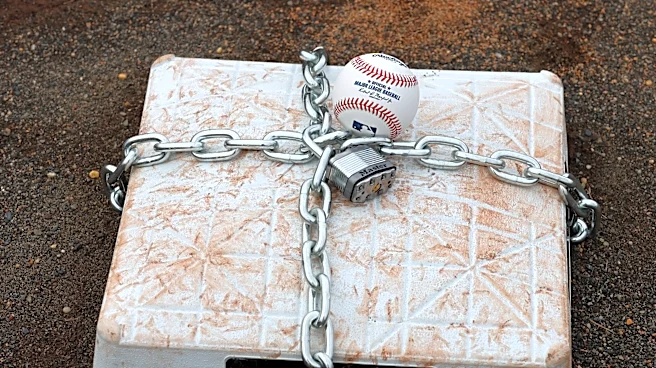
Major League Baseball is heading into an uncertain period as the current collective bargaining agreement (CBA) is set to expire. If the owners and players fail to reach a new agreement by December 1, the league will face its second lockout in five years.
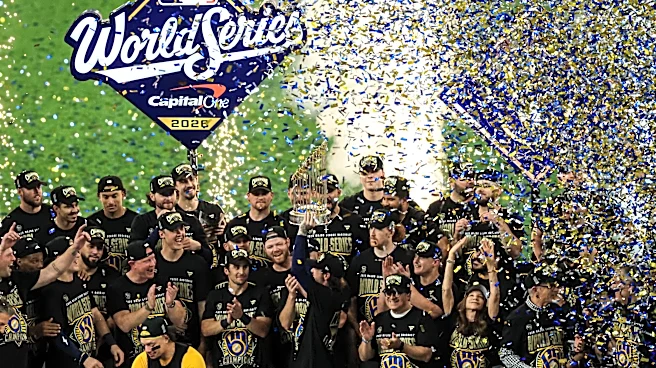
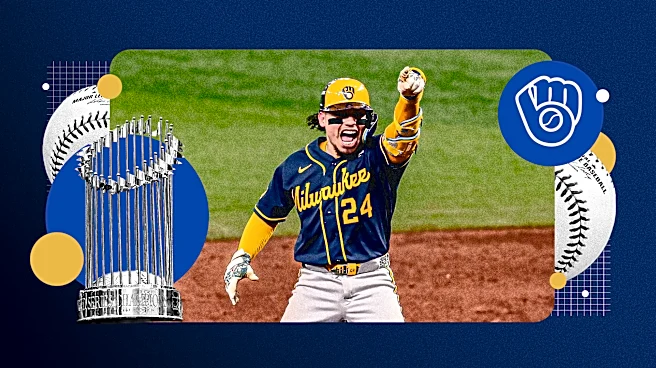
This situation follows the conclusion of the 2026 season, which saw the Milwaukee Brewers clinch their first World Series title. The Toronto Blue Jays are already projecting their 2027 Opening Day roster, anticipating potential changes and free agency moves, but the looming lockout casts a shadow over these preparations. Many critical issues need to be resolved between the league and the players' union, and the likelihood of an agreement being reached by the deadline appears low.
Why It's Important?
A potential MLB lockout carries significant implications for the sport, its players, and its economic stakeholders. For players, a lockout means a halt to all league activities, including free agency, trades, and spring training, directly impacting their livelihoods and career trajectories. Teams, like the Toronto Blue Jays, will be unable to finalize their rosters, disrupting their strategic planning and competitive preparations for the upcoming season. Economically, a lockout could lead to substantial financial losses for the league, team owners, and associated businesses, including broadcasters, concessionaires, and local economies dependent on game-day revenue. Fans would also be negatively affected, facing delays or cancellations of games, which could erode goodwill and viewership. The repeated labor disputes highlight ongoing tensions between ownership and players over revenue sharing, player salaries, and competitive balance.
What's Next?
The immediate focus for MLB will be on intense negotiations between the owners and the players' union to avert a lockout before the December 1 deadline. Both sides will need to address key issues such as salary arbitration, minimum salaries, competitive balance tax thresholds, and the overall economic structure of the game. If an agreement is not reached, a lockout will commence, freezing all transactions and potentially delaying the start of the 2027 season. This would trigger further negotiations, likely under increased public and media scrutiny. Teams like the Toronto Blue Jays will continue to plan for their 2027 roster, but these plans will remain tentative until the labor situation is resolved, impacting their ability to sign free agents and make trades.
Beyond the Headlines
The recurring labor disputes in MLB reflect a deeper struggle over the sport's economic model and the distribution of its vast revenues. Beyond the immediate financial impact, a lockout could have long-term consequences for baseball's popularity and its standing among other major sports. Prolonged disruptions risk alienating fans, particularly younger demographics, who may turn to other entertainment options. It also raises questions about the governance of professional sports and the effectiveness of collective bargaining in an era of increasing commercialization. The outcome of these negotiations will not only shape the immediate future of MLB but could also set precedents for labor relations in other professional sports leagues, influencing how athletes and owners negotiate their shared economic interests.