

What's Happening?
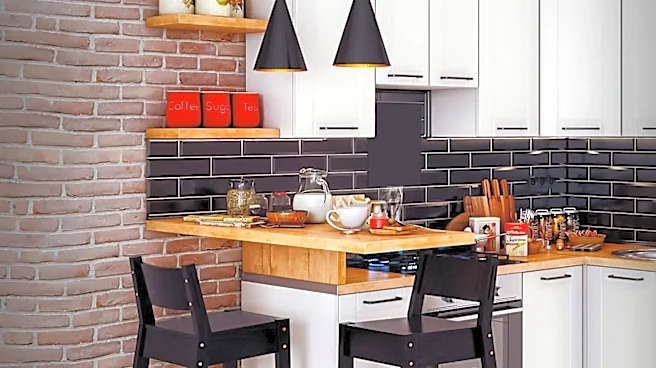
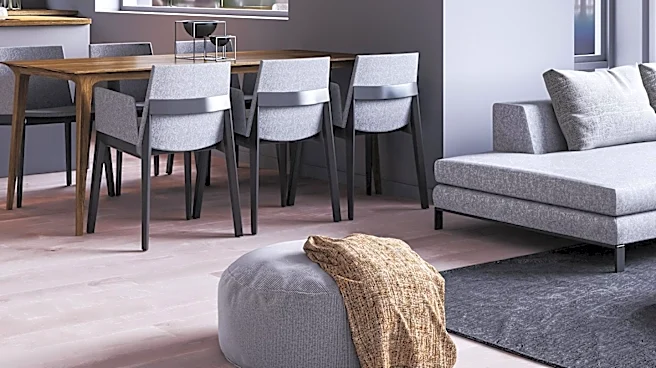
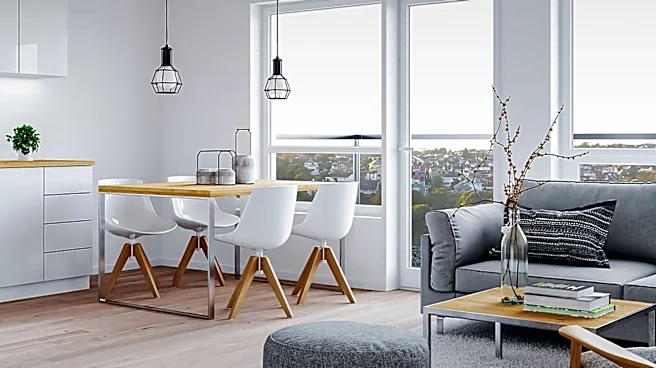
Open-concept living, a design trend that integrates the kitchen, dining, and living areas into a single, expansive space, has been a popular choice for many homeowners. This layout aims to create a more communal and interactive environment, often characterized
by open shelving, large windows, and minimal structural barriers to maximize natural light and flow. While it offers a modern and spacious feel, it also presents potential challenges. The absence of walls can lead to increased noise transmission across different functional zones and allow cooking odors to permeate throughout the entire living area. Designers are increasingly advocating for a 'broken-plan' approach, which seeks to retain the benefits of open-concept living, such as light and connection, while reintroducing subtle forms of separation. This can be achieved through elements like half-height walls, wide cased openings, changes in floor levels, glazed partitions, sliding doors, or strategically placed islands, allowing for zoning and partial enclosure when needed.
Why It's Important?
The evolution of home design, particularly the shift towards and away from fully open-concept layouts, significantly impacts the daily lives and preferences of U.S. homeowners and the real estate market. Open-concept designs, while promoting social interaction and a sense of spaciousness, can compromise privacy and lead to practical issues like noise and odor control, affecting comfort and livability. The growing interest in 'broken-plan' living reflects a desire for balance, where homeowners seek the aesthetic and communal benefits of open spaces without sacrificing the functionality and quiet retreats that traditional room divisions offer. This trend influences architectural design, interior decorating, and the valuation of properties, as layouts that effectively combine openness with practical separation may become more desirable. For families, the ability to zone spaces can be crucial for managing different activities simultaneously, from remote work to children's play, without constant disruption.
What's Next?
The future of residential design in the U.S. is likely to see a continued refinement of the 'broken-plan' concept, moving beyond the all-or-nothing approach of fully open or fully closed layouts. Designers and builders will increasingly focus on innovative solutions that offer flexibility and adaptability within living spaces. This could involve more widespread use of movable partitions, smart glass technology that can switch between transparent and opaque, and integrated ventilation systems specifically designed to mitigate the spread of cooking odors in semi-open environments. Homebuyers will likely prioritize homes that offer both a sense of spaciousness and the option for privacy and quiet, driving demand for designs that thoughtfully incorporate these elements. The real estate market may also begin to value homes with well-executed broken-plan layouts more highly, as they cater to a broader range of lifestyle needs and preferences.
Beyond the Headlines
The debate between open-concept and more segmented living spaces touches upon deeper cultural and psychological aspects of home life in the U.S. The initial surge in popularity of open-concept designs reflected a societal shift towards less formal living, increased family interaction, and a desire for modern aesthetics. However, the subsequent recognition of its drawbacks, particularly regarding noise, privacy, and the practicalities of daily living, highlights a re-evaluation of what constitutes a truly functional and comfortable home. The move towards 'broken-plan' living suggests a growing appreciation for intentional design that supports diverse activities and individual needs within a household. This evolution in home design also reflects broader trends in work-from-home culture, where dedicated, quieter spaces have become more essential. It underscores the idea that a home is not just a collection of rooms, but a dynamic environment that should adapt to the evolving demands of its inhabitants, balancing communal living with personal sanctuary.