










What's Happening?
Willie Walsh, the director general of the International Air Transport Association (IATA), has highlighted the urgent need for the airline industry to address ongoing supply chain issues that have resulted in significant financial losses. According to Walsh, airlines
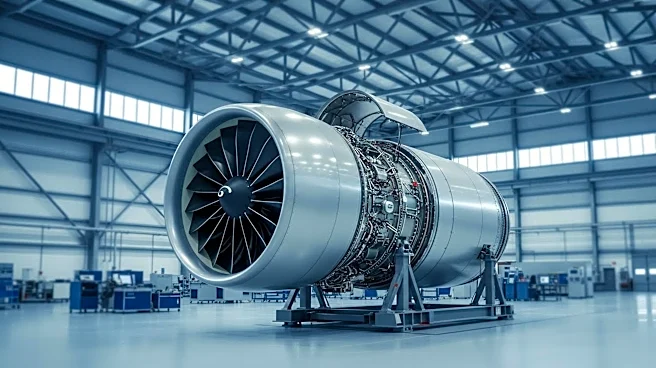
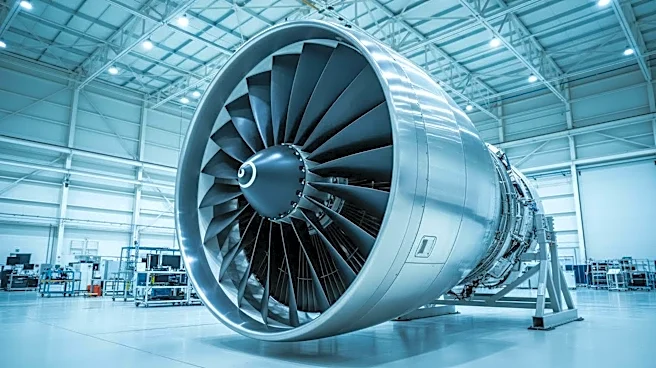
incurred at least $11 billion in additional costs last year due to supply chain failures, particularly related to engine reliability issues with CFM International Leap and Pratt & Whitney geared turbofan engines. The COVID-19 pandemic severely disrupted the supply chain, and Walsh emphasizes the necessity of moving from a reactive 'firefighting' approach to a strategic long-term plan. He stresses the importance of resolving these issues to ensure reliable fleet operations and timely aircraft deliveries, as the industry anticipates the delivery of approximately 10,000 new aircraft over the next decade.
Why It's Important?
The ongoing supply chain challenges have significant implications for the airline industry, affecting operational efficiency and financial stability. The inability to resolve these issues could lead to prolonged engine turnaround times and shortages, impacting airlines' ability to plan and execute their operations effectively. With the expected increase in aircraft deliveries, particularly narrowbodies equipped with Pratt & Whitney and CFM engines, the demand for maintenance, repair, and overhaul (MRO) capacity will rise. Addressing these supply chain issues is crucial for maintaining competitive pricing and ensuring the availability of engine parts. The IATA's call for strategic changes aims to secure long-term stability and predictability in parts pricing and availability, which is vital for the industry's growth and sustainability.
What's Next?
To tackle the supply chain issues, IATA has outlined four key priorities: increasing engine parts availability, removing barriers for independent MROs to expand capacity, securing long-term parts pricing, and encouraging transparent aftermarket practices among OEMs. These measures are intended to build the necessary MRO capacity and workforce to support the anticipated increase in engine shop visits. The industry is encouraged to adopt these changes promptly to prevent future disruptions and ensure a stable supply chain. The success of these initiatives will depend on the collaboration between airlines, lessors, and OEMs to implement these strategic changes effectively.