

What's Happening?
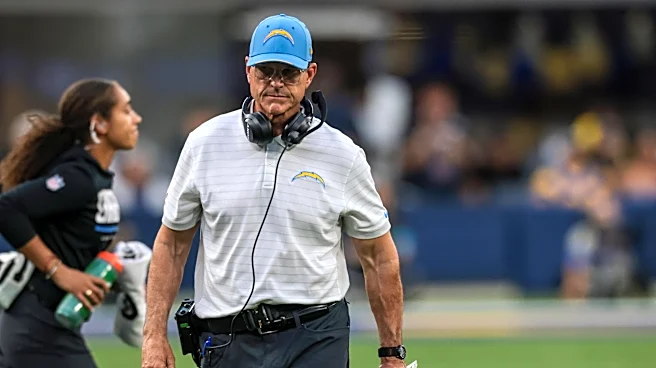
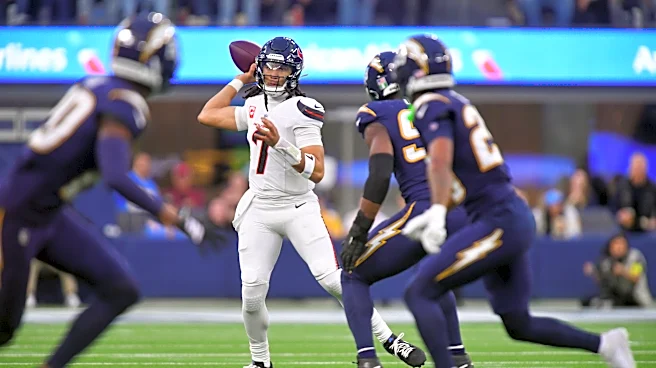
Former Los Angeles Chargers player Breiden Fehoko has publicly criticized the team's management, specifically owner Dean Spanos, general manager Joe Hortiz, and coach Jim Harbaugh, for their inaction regarding a midseason roster rebuild. This criticism
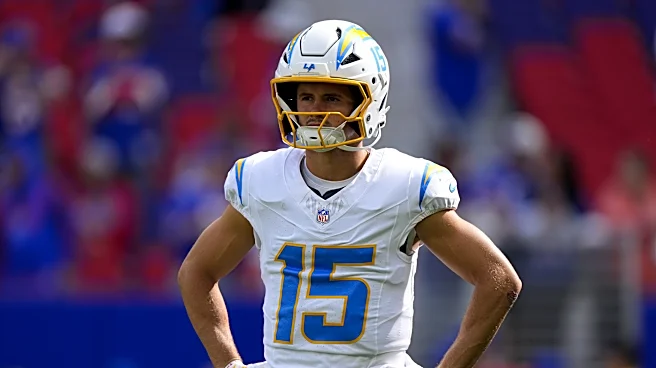
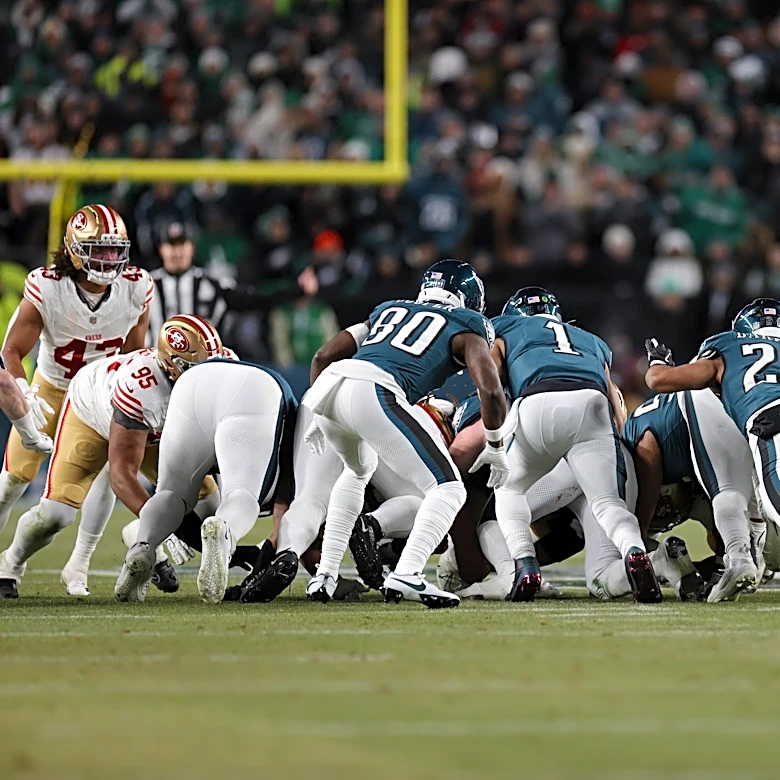
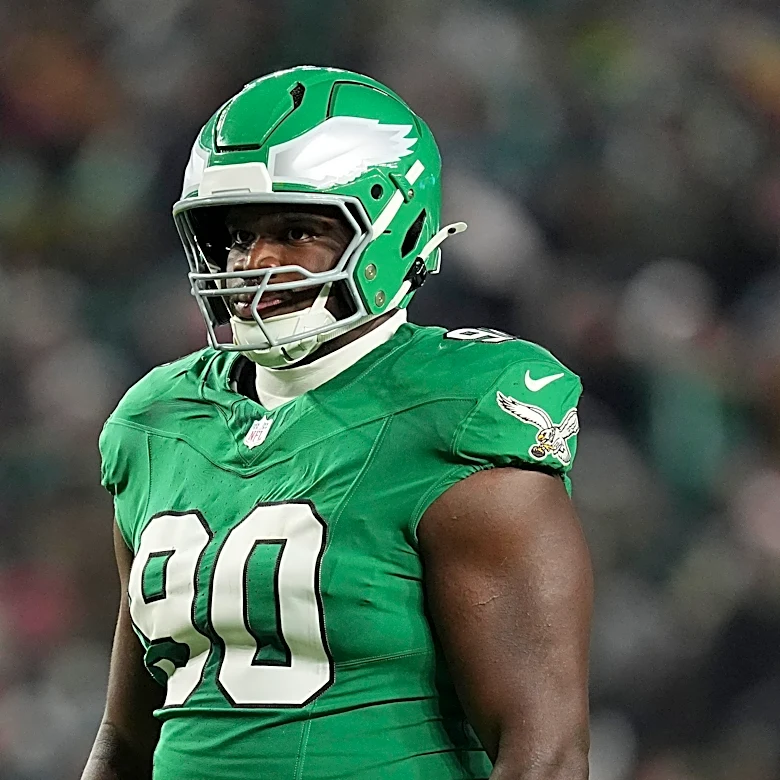
comes as the Chargers are experiencing a 'nightmarish' 0-8 start to their season. Fehoko's comments were made on X (formerly Twitter) following news of the Philadelphia Eagles trading defensive tackle Jordan Davis for two draft picks. He urged the Chargers' leadership to observe how 'competent teams' operate, emphasizing that teams without a chance at winning should 'SELL' assets, while those in a championship window should 'BUY.' Fehoko, who played with Justin Herbert and the Chargers for three years, expressed his frustration with the organization's apparent hesitation to make significant roster changes despite their poor performance.
Why It's Important?
This public criticism from a former player highlights growing discontent surrounding the Los Angeles Chargers' leadership and their strategic decisions. For U.S. sports, particularly the NFL, team performance directly impacts fan engagement, merchandise sales, and local economic activity tied to game days. A prolonged period of poor performance, coupled with perceived managerial stagnation, can lead to decreased fan loyalty and financial repercussions for the franchise. The call for a 'rebuild' reflects a common strategy in professional sports to offload high-value players for future draft picks when a season is deemed lost, aiming for long-term competitiveness. The reluctance of the Chargers' management to engage in such a strategy, despite an 0-8 record, suggests a different approach that could be seen as either steadfast or detrimental to the team's future prospects and fan base morale.
What's Next?
The Chargers' management, including Dean Spanos, Joe Hortiz, and Jim Harbaugh, will likely face continued scrutiny from fans and sports analysts if the team's performance does not improve. The upcoming trade deadlines and offseason will be critical periods to observe whether the organization heeds calls for a roster rebuild or maintains its current strategy. Decisions made in the near future regarding player trades, coaching staff adjustments, or draft strategies will significantly impact the team's trajectory and public perception. The ongoing debate about 'selling' versus 'buying' in a struggling season will continue to be a central theme in discussions surrounding the Chargers' management and their commitment to long-term success.
Beyond the Headlines
The situation with the Los Angeles Chargers and the criticism from Breiden Fehoko touches upon the broader ethical and strategic dilemmas faced by sports franchises. The balance between maintaining a competitive roster, managing player contracts, and planning for future success is complex. Owners like Dean Spanos often face pressure to prioritize immediate results while also ensuring the long-term viability and appeal of the team. The concept of 'competent teams' selling assets when out of contention raises questions about the integrity of competition and the responsibility of ownership to their fan base. This scenario also highlights the increasing influence of former players and social media in shaping public discourse around professional sports organizations, adding another layer of accountability for team management.