







What's Happening?
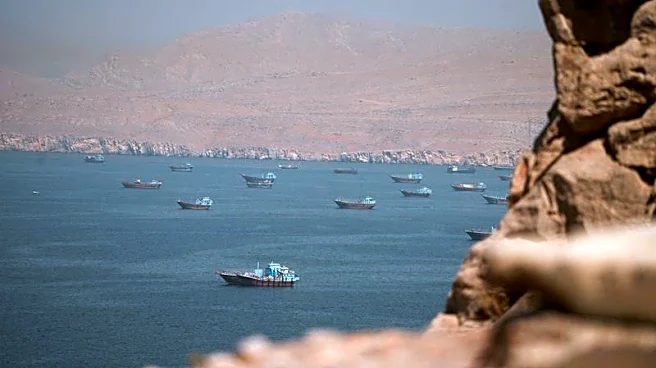
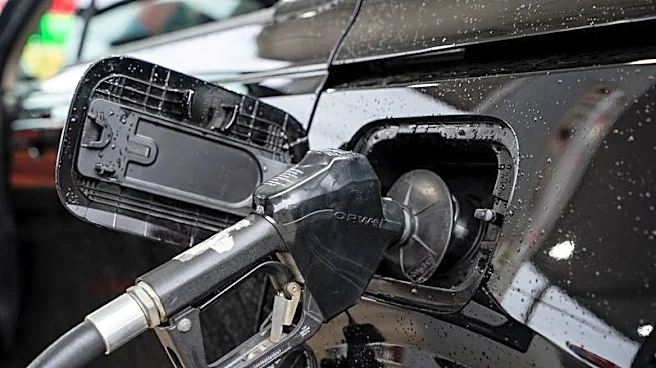
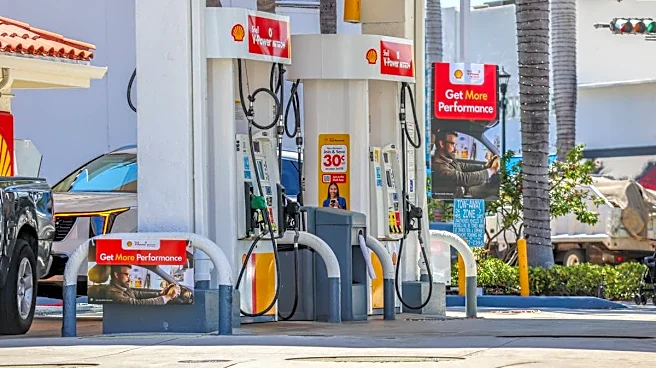
The United States has recently engaged in military actions against Iran, leading to the closure of the Strait of Hormuz by Iran. This development has caused fluctuations in oil prices, reminiscent of the oil shocks of the 1970s. Gasoline prices in the U.S.
had previously peaked at $4.56 per gallon in May but have since decreased to an average of $3.943 per gallon. However, the ongoing conflict and potential for further escalation could lead to another spike in oil prices. This situation is drawing comparisons to past events that significantly reduced oil consumption and prompted shifts in energy use.
Why It's Important?
The current geopolitical tensions and their impact on oil prices could accelerate a transition away from gasoline consumption in the U.S. If the conflict persists and oil prices rise again, it may prompt consumers to consider alternative energy sources, such as electric vehicles. This shift could have significant implications for the automotive industry, energy markets, and environmental policies. The potential for a 'double-shock' scenario, where repeated oil price spikes drive long-term changes in consumer behavior, highlights the interconnectedness of global politics and domestic economic trends.
What's Next?
If the conflict continues and the Strait of Hormuz remains closed, further increases in oil prices are likely. This could lead to increased pressure on policymakers to support alternative energy initiatives and infrastructure. The automotive industry may also see accelerated investment in electric vehicle technology and production. Stakeholders, including government agencies, businesses, and consumers, will need to navigate the economic and environmental challenges posed by these developments.