






What's Happening?
Paolo Sorrentino, a renowned director, is recognized for his films such as 'The Hand of God' and 'La Grande Bellezza.' His work, particularly 'La Grande Bellezza,' extensively features Roman architecture, including palazzi, terraces, and cloisters, making
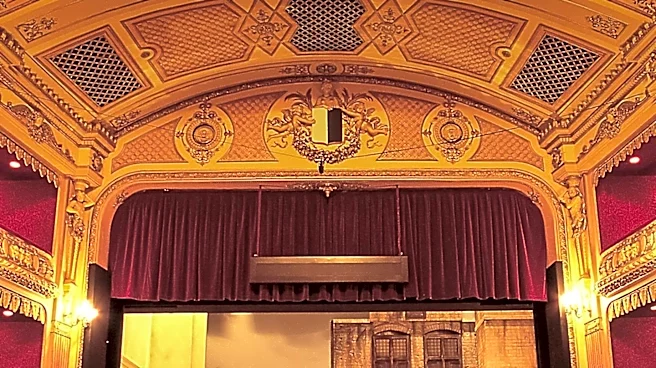
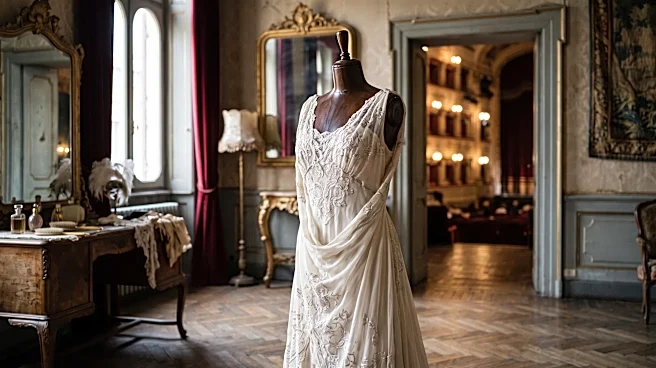
the city's buildings central to the narrative. This approach is part of a broader tradition in Italian cinema where architecture is treated as a character rather than merely a backdrop. The use of real historical structures in films like Sorrentino's provides a unique opportunity for audiences, especially those interested in architecture and language, to engage with Italian culture. The films offer a visual and linguistic immersion, allowing viewers to hear architectural terms in their natural context, reinforcing their meaning and usage.
Why It's Important?
The integration of Italian architecture into Sorrentino's films offers a significant cultural and educational impact. For students of architecture, these films provide a dynamic way to understand Italian architectural vocabulary and the historical context of various structures. By seeing and hearing terms like 'piazza,' 'palazzo,' and 'cortile' used within the cinematic narrative, learners can develop a deeper appreciation and comprehension that static glossaries cannot provide. This method of learning is supported by academic research, which suggests that subtitled viewing can significantly enhance vocabulary acquisition. The films also serve as a powerful tool for language learners, allowing them to connect spoken Italian with visual cues, thereby making the learning process more engaging and effective. This cultural immersion can be particularly beneficial for those planning to visit Italy, as it familiarizes them with both the language and the built environment.
What's Next?
The continued availability and promotion of Italian films that prominently feature architecture could lead to increased interest in both Italian cinema and language studies. Educational institutions and language learning platforms might further integrate such films into their curricula, leveraging their immersive qualities. As technology advances, interactive viewing experiences could be developed, allowing viewers to click on architectural elements or spoken words for instant information and translation. This trend could also encourage more filmmakers to utilize real-world architectural settings, recognizing their potential for cultural enrichment and educational value. The success of Sorrentino's approach may inspire a broader movement towards using cinema as a tool for cultural and linguistic education.
Beyond the Headlines
The use of architecture as a central element in films like Sorrentino's 'La Grande Bellezza' transcends mere set design; it reflects a deeper philosophical connection between human experience and the built environment. Italian cinema, in particular, has a rich history of treating architecture as a living character, influencing the mood, narrative, and character development. This approach highlights the ethical and cultural implications of preserving historical sites and integrating them into contemporary artistic expressions. It also underscores the idea that language and architecture are intertwined, each informing and enriching the other. The long-term shift could see a greater emphasis on interdisciplinary studies, where film, architecture, and linguistics converge to offer a more holistic understanding of culture and history.