
What's Happening?
New York City presents a wide array of attractions and activities for visitors, ranging from iconic landmarks to unique entertainment options. Broadway shows are highlighted as a must-experience activity, with 'MJ,' a musical about Michael Jackson, recommended
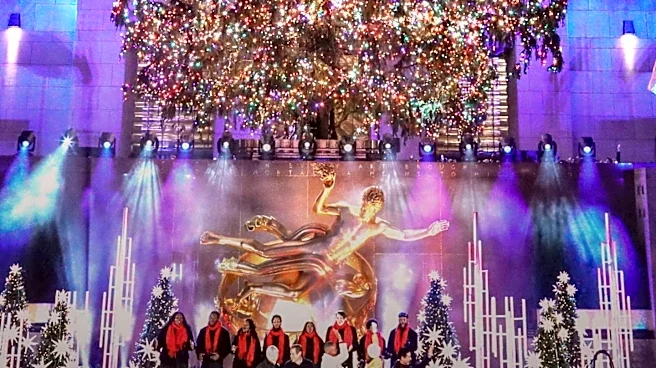
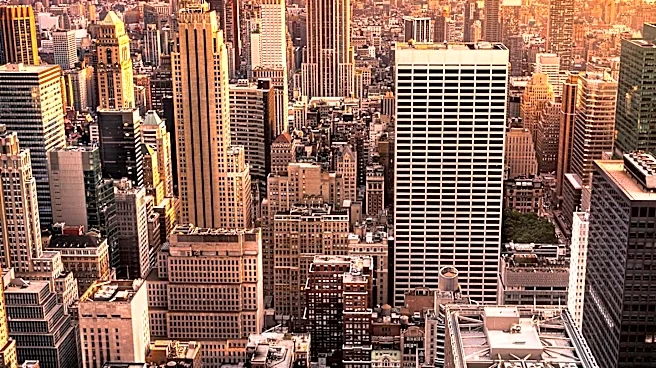
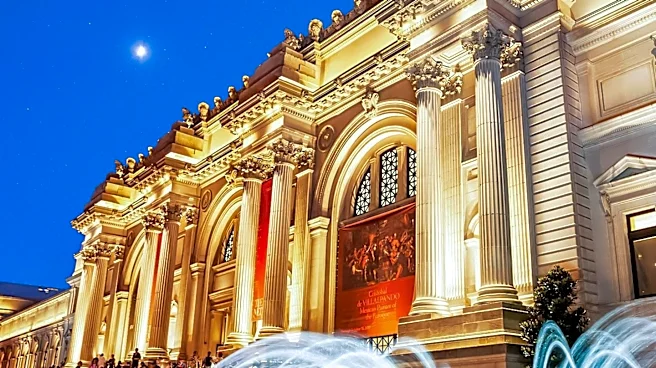
for its impactful story and music. During the Christmas season, the city transforms with festive decorations, notably the Rockefeller Center Christmas tree and ice skating rink. Rockefeller Center also provides extensive dining and shopping opportunities, including popular stores like Alo and Kate Spade. A long-standing tradition for many families is attending the Radio City Rockettes' Christmas Spectacular, which runs from November to January and features classic routines like the 'Parade of the Wooden Soldiers.' Additionally, the Saks Fifth Avenue light show is a popular seasonal attraction. Beyond these, visitors can explore the Empire State Building, the Metropolitan Museum of Art, the Brooklyn Bridge, Central Park, the Statue of Liberty, and Times Square. A newer attraction, RiseNY, offers a museum experience detailing New York's entertainment history, complete with Broadway costumes, talk show sets, and a thrill ride simulating a flight over the city.
Why It's Important?
New York City's diverse offerings are crucial for its tourism industry, attracting millions of visitors annually and significantly contributing to the local economy. The variety of attractions, from world-renowned theater productions like those on Broadway to historical landmarks and seasonal events, ensures broad appeal to different demographics and interests. The continued popularity of events like the Radio City Rockettes show and the Rockefeller Center Christmas tree reinforces cultural traditions and provides a sense of continuity and shared experience for residents and tourists alike. The city's ability to blend historical significance with modern entertainment, as seen with attractions like RiseNY, keeps its tourism sector dynamic and competitive. This constant evolution and preservation of cultural touchstones make New York a global hub for arts, culture, and entertainment, supporting numerous jobs and businesses within the hospitality, retail, and performing arts sectors.
What's Next?
As New York City continues to evolve, future developments will likely focus on enhancing visitor experiences and introducing new attractions while preserving its iconic heritage. The ongoing success of Broadway shows suggests continued investment in new productions and revivals, ensuring a vibrant theater scene. Seasonal events, particularly during the holiday season, will likely remain central to the city's appeal, with potential for new light installations, festive markets, and themed experiences. The integration of technology, as seen in RiseNY, may become more prevalent in future attractions, offering immersive and interactive ways to engage with the city's history and culture. Additionally, efforts to promote diverse neighborhoods and lesser-known attractions could broaden the tourist footprint beyond traditional Manhattan hotspots, encouraging exploration and supporting local businesses across all boroughs. The city will also likely continue to adapt its offerings to cater to evolving traveler preferences, such as increased demand for sustainable tourism and authentic local experiences.
Beyond the Headlines
Beyond the immediate economic impact, New York City's cultural landscape plays a profound role in shaping global trends in arts and entertainment. Broadway, for instance, serves as a launching pad for theatrical innovations and often influences productions worldwide. The city's museums and galleries are custodians of vast cultural heritage, contributing to global discourse on art, history, and societal development. The continuous influx of diverse visitors and artists fosters a dynamic environment for creativity and cultural exchange, making New York a melting pot of ideas and expressions. This cultural vibrancy also has subtle effects on urban planning and public policy, as city leaders strive to balance economic development with the preservation of historical sites and cultural institutions. The city's ability to maintain its status as a premier global destination reflects a complex interplay of economic forces, cultural preservation efforts, and continuous innovation in the entertainment and tourism sectors.