







What's Happening?
A new survey commissioned by Eachnight, involving 795 employed U.S. adults, indicates that high performers prioritize sleep quality and consistent sleep schedules over simply increasing sleep duration. While 60% of high performers reported getting at least
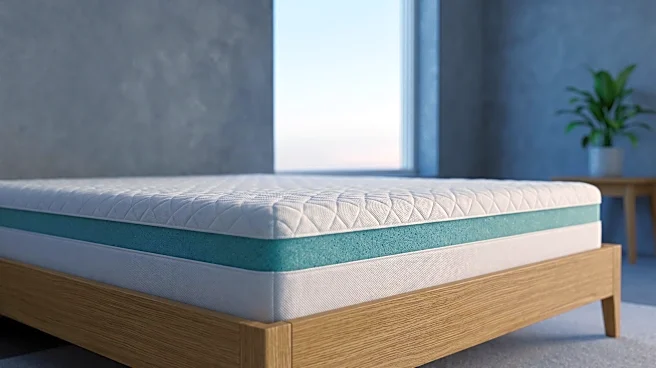
seven hours of sleep, similar to the general workforce (58%), a significant difference emerged in perceived sleep quality, with 60% of high performers describing their sleep as good or excellent compared to 43% of the general workforce. High performers are more likely to maintain consistent sleep schedules, with 80% doing so compared to 73% of the general workforce. They also exhibit better sleep hygiene, such as enforcing strict bedroom rules (26% vs. 18%) and curbing screen time before bed (22% vs. 15%). The median wake time for high performers was 6 a.m., compared to 6:45 a.m. for the general workforce, with both groups sharing an 11 p.m. bedtime. The survey suggests that while high performers may invest in sleep-enhancing technologies like cooling mattresses, their core strategy revolves around consistent habits and optimizing their sleep environment.
Why It's Important?
This survey highlights a growing awareness and investment in sleep as a critical factor for performance and well-being in the U.S. workforce. The findings suggest that a structured approach to sleep, emphasizing consistency and environment, is perceived as beneficial by high performers. This trend could influence corporate wellness programs, encouraging employers to support better sleep hygiene among their employees to boost productivity and reduce health-related costs. The increased spending on sleep improvements, with 34% of high performers spending at least $500, indicates a burgeoning market for sleep-related products and services, from specialized bedding to wearable technology. However, the emergence of 'orthosomnia,' an unhealthy preoccupation with sleep data, also points to a potential downside, where the pursuit of 'perfect' sleep can lead to anxiety, underscoring the need for balanced approaches to sleep optimization.
What's Next?
The insights from this survey could lead to increased adoption of sleep hygiene practices across the general workforce, potentially driven by educational campaigns or corporate initiatives. Companies in the sleep technology sector may see continued growth, but they might also need to refine their products and messaging to mitigate the risks of orthosomnia, perhaps by emphasizing patterns and overall well-being rather than granular, potentially anxiety-inducing metrics. Healthcare providers and sleep experts like Dr. Jordan Burns may increasingly advise individuals to use sleep trackers as general guides rather than definitive measures, promoting a more holistic view of sleep health. The focus on consistent schedules and environmental optimization, rather than just sleep duration, could become a more prevalent recommendation for improving sleep quality.
Beyond the Headlines
The survey subtly touches upon the broader societal shift towards self-optimization and the role of technology in this pursuit. While technology offers tools for monitoring and improvement, it also introduces new psychological challenges, such as orthosomnia, where data-driven self-improvement can become counterproductive. This raises ethical questions for tech companies about how they present health data to users and the potential for their products to inadvertently create anxiety. Furthermore, the disparity in spending on sleep improvements between high performers and the general workforce highlights potential socioeconomic factors influencing access to optimal sleep conditions. This could lead to discussions about equitable access to resources that promote health and well-being, beyond just the workplace context, and how societal pressures to 'perform' might inadvertently exacerbate sleep-related stress.