


What's Happening?
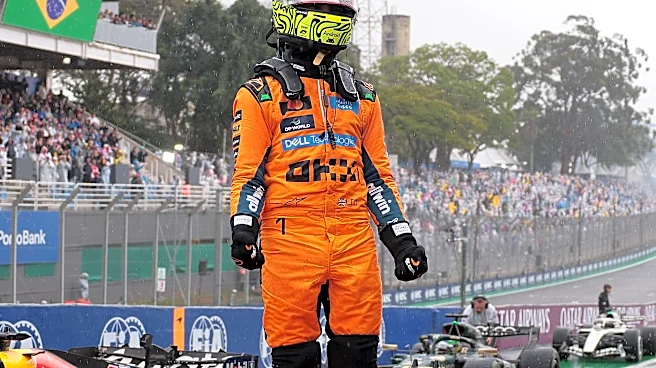
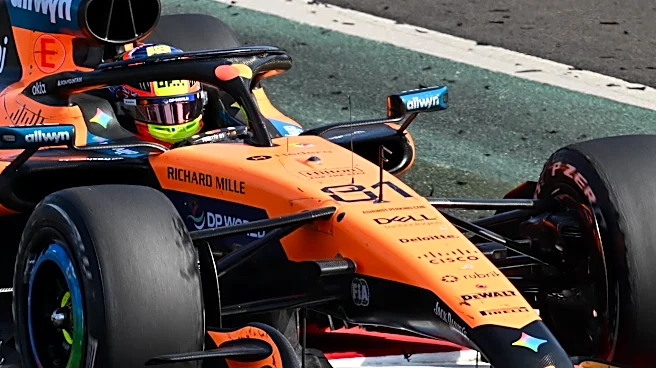
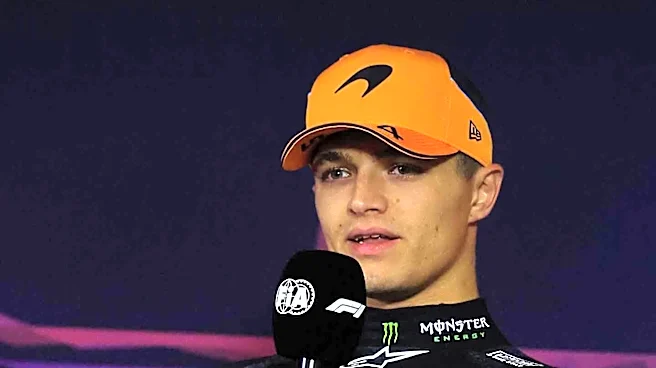
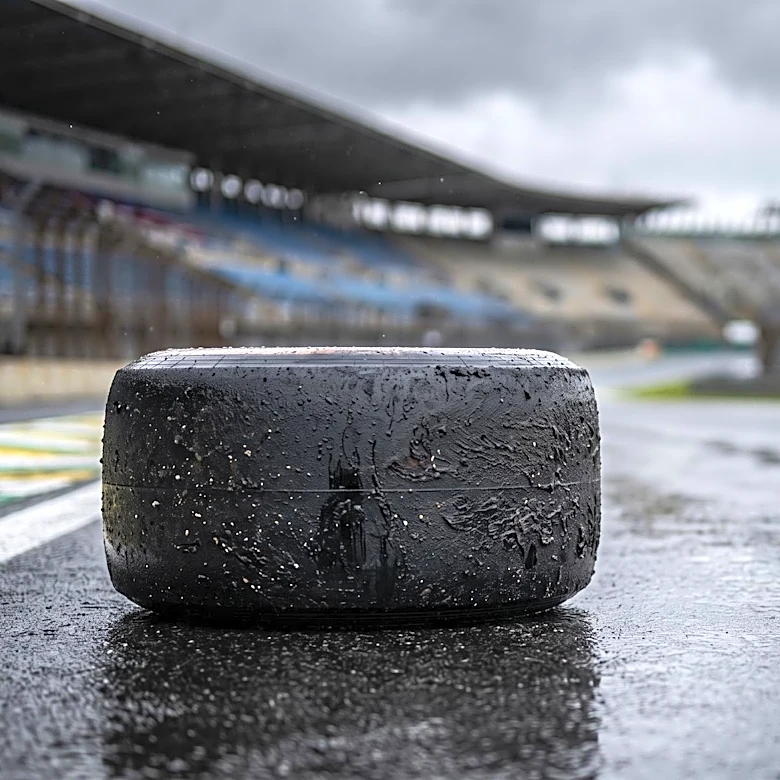
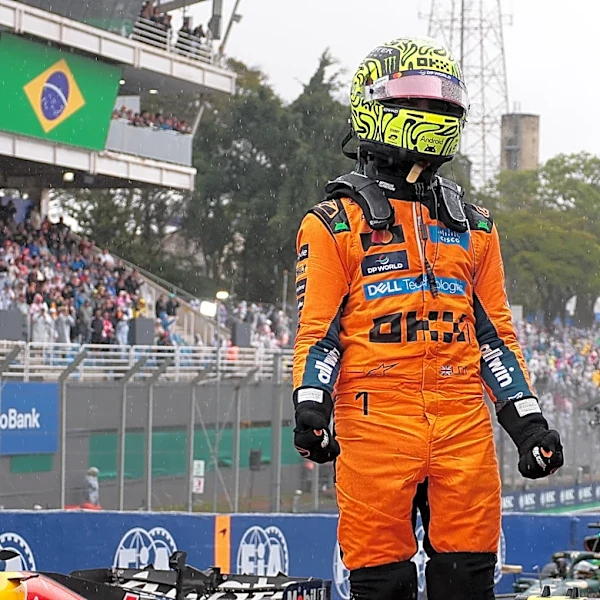
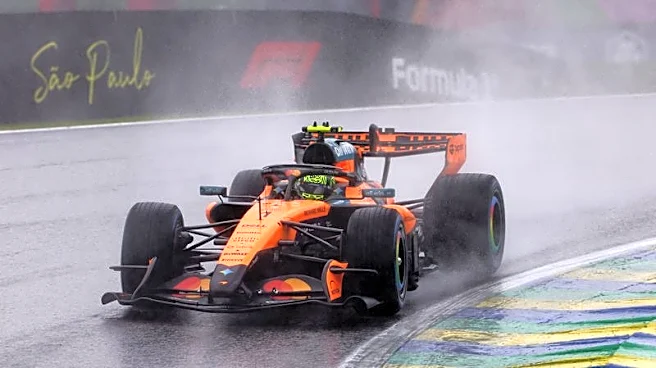
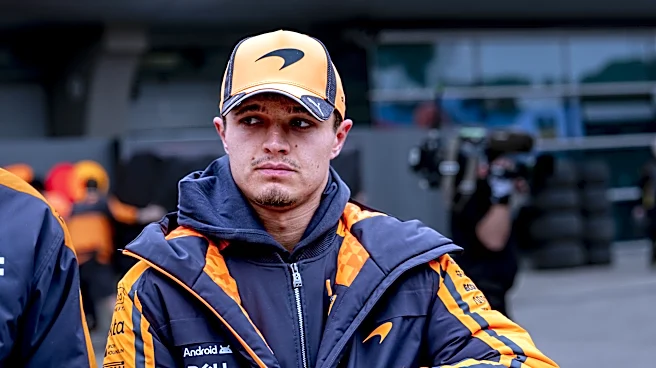
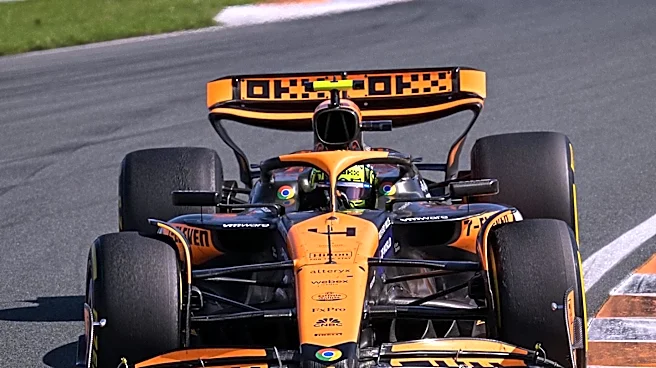
During qualifying for the São Paulo Grand Prix, McLaren drivers Oscar Piastri and Lando Norris expressed contrasting views on their car's performance in different weather conditions. While Norris secured pole position in the rain, he attributed his success
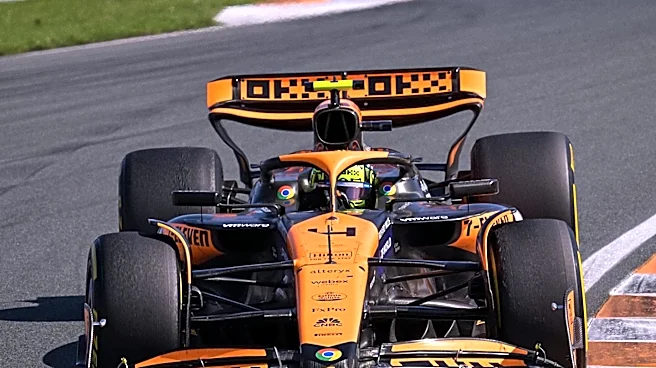
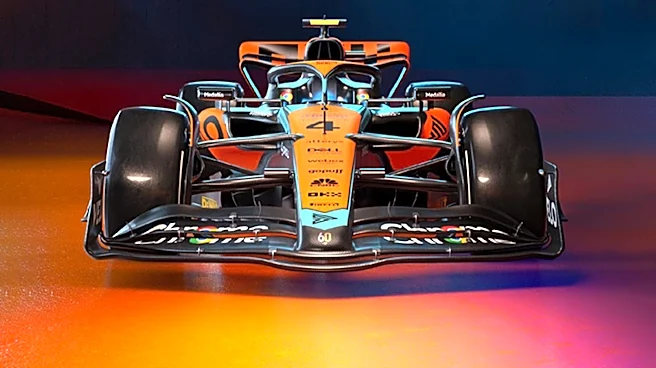
to the wet conditions, stating that the McLaren MCL40 lacked the raw pace to compete for pole in dry conditions. Piastri, however, was eliminated in Q2, finishing 12th but set to start 10th due to penalties for other drivers. Piastri believes McLaren is more competitive in dry conditions and expressed disappointment at not making more of the session, despite the car feeling 'reasonable' in the wet. This difference in opinion highlights a divergence in their assessment of the team's car capabilities.
Why It's Important?
This disagreement between Oscar Piastri and Lando Norris, two key drivers for McLaren, is significant for the team's strategic planning and car development. Norris's assertion that the car lacks dry pace, despite his pole position in the wet, could influence engineering priorities, potentially leading to a focus on improving dry-weather performance. Conversely, Piastri's belief in the car's dry competitiveness suggests a different approach might be needed, perhaps focusing on optimizing setup or driver adaptation to varying conditions. Such internal discrepancies can impact team morale, communication, and ultimately, race results and championship standings. For fans and analysts, it offers insight into the internal dynamics of a top-tier racing team and the complex factors influencing performance.
What's Next?
The differing perspectives between Piastri and Norris will likely prompt further analysis within the McLaren team regarding the MCL40's performance characteristics in both wet and dry conditions. Engineers and strategists will need to reconcile these views to develop a unified understanding of the car's strengths and weaknesses. The upcoming race in São Paulo, and subsequent events, will provide more data points to validate or challenge these assessments. The team's ability to address these perceived performance gaps will be crucial for their competitiveness in the remainder of the season and in future car development cycles. This internal dialogue could also influence driver feedback and setup choices in upcoming Grand Prix weekends.
Beyond the Headlines
The divergence in opinion between Piastri and Norris extends beyond mere technical assessment; it touches upon the psychological aspects of competitive racing. A driver's perception of their car's capabilities can significantly influence their confidence and driving style. If one driver believes the car is inherently faster in certain conditions than the other, it could lead to different risk assessments and strategic choices during a race. This situation also underscores the challenge for racing teams in synthesizing diverse driver feedback into a coherent development strategy, especially when drivers have different driving styles or preferences. The long-term implications could involve a re-evaluation of how driver feedback is integrated into the engineering process and how team communication is managed to ensure alignment.