




What's Happening?
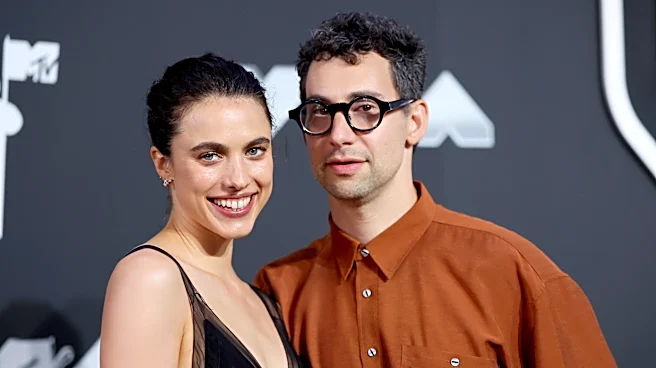
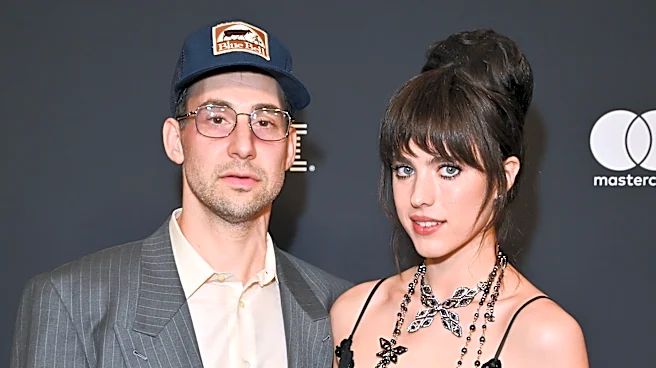
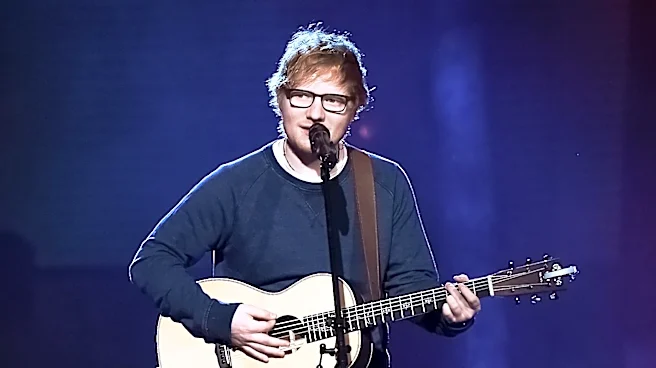
Jack Antonoff, frontman of Bleachers, has publicly stated that Ed Sheeran should have canceled his tour after Macklemore was removed as an opening act. Antonoff's comments, made in an interview with The Guardian, suggest that Sheeran allowed a 'billionaire'
to dictate his choices on stage. Macklemore was reportedly removed from Sheeran's Loop Tour following pressure from Patriots owner Robert Kraft, after Macklemore made a speech calling for a free Palestine during a performance at MetLife Stadium in September. Antonoff emphasized that speaking out about Palestine is a 'deeply human thing to say' and not controversial. He further suggested that Sheeran missed a significant opportunity to take a stand by canceling the tour and performing for free, thereby raising money and challenging the influence of billionaires.
Why It's Important?
This event highlights the increasing intersection of celebrity activism, corporate influence, and geopolitical issues within the entertainment industry. Antonoff's criticism of Ed Sheeran underscores a growing expectation for public figures to use their platforms for social and political commentary, even at the risk of professional repercussions. The removal of Macklemore from the tour, reportedly due to pressure from a prominent figure like Robert Kraft, illustrates the potential for financial and political leverage to impact artistic expression and freedom of speech in the U.S. entertainment landscape. This situation could influence how artists navigate their public statements and tour agreements, potentially leading to more artists taking firm stances or, conversely, exercising greater caution to avoid similar conflicts.
What's Next?
The public discourse surrounding artists' political stances and the influence of tour promoters and sponsors is likely to continue. Other artists and industry figures may weigh in on Antonoff's comments, potentially sparking further debate about artistic integrity versus commercial interests. This incident could also prompt a reevaluation of contract clauses related to political expression for touring musicians. Macklemore has already doubled down on his stance, and other artists like Finneas have dropped out of Sheeran's tour in solidarity, suggesting a potential ripple effect within the music community regarding support for artists who speak out on sensitive topics. Future tour arrangements and artist endorsements may face increased scrutiny regarding their alignment with social and political values.
Beyond the Headlines
The controversy extends beyond individual artists to touch upon broader themes of corporate censorship and the commodification of artistic expression. The incident raises questions about the extent to which financial stakeholders can control the narrative and messaging of performers. It also reflects a societal shift where audiences increasingly expect public figures to engage with global issues, blurring the lines between entertainment and activism. This situation could contribute to a more polarized environment within the arts, where artists are pressured to align with specific political viewpoints, potentially impacting creative freedom and the diversity of voices in mainstream media. The ethical implications of 'billionaires telling you what to do' in the context of artistic performance are a significant underlying concern.