








What's Happening?
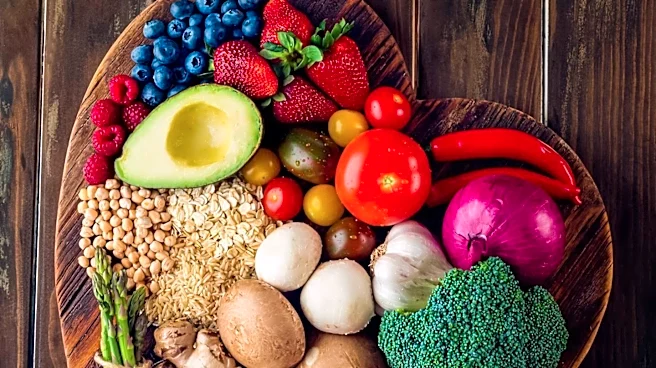
Prebiotics are dietary fibers that the human body cannot digest but serve as food for beneficial gut bacteria. These fibers pass through the small intestine and are fermented in the colon by microbes, supporting their activity. Common sources of prebiotics
include garlic, onions, leeks, asparagus, pulses, and oats. Unlike probiotics, which are live microorganisms, prebiotics act as 'fertilizer' for the existing gut flora, promoting a diverse and healthy microbiome. The average adult in the UK consumes significantly less fiber than the recommended 30g per day, with an average intake closer to 18g. Increasing prebiotic intake through a varied diet is crucial for digestive health, preventing constipation, and reducing the risk of long-term health conditions. Soluble fibers, like beta-glucan found in oats, can help lower cholesterol and glucose levels, while insoluble fibers add bulk to stool, aiding digestion.
Why It's Important?
The role of prebiotics in maintaining a healthy gut microbiome has significant implications for overall health. A balanced and diverse gut microbiome, fueled by prebiotics, is linked to a robust immune system, improved mental clarity, and the production of essential vitamins like K and certain B vitamins. The fermentation of prebiotics by gut bacteria produces short-chain fatty acids (SCFAs), such as butyrate, which nourish the gut lining and help reduce inflammation throughout the body. Insufficient fiber intake, and consequently, inadequate prebiotic consumption, can lead to dysbiosis—an imbalance in gut bacteria—which is associated with symptoms like bloating, irregular bowel habits, and brain fog. Therefore, incorporating prebiotic-rich foods into the diet is a fundamental strategy for supporting digestive function and preventing a range of health issues, impacting daily well-being and long-term disease prevention.
What's Next?
Individuals are encouraged to gradually increase their fiber intake to meet the recommended daily amount, focusing on diverse sources of prebiotics. This can involve simple dietary changes such as swapping white bread for wholemeal, adding lentils to meals, and consuming fruits with their skins. Experimenting with fermented foods, which often contain both probiotics and prebiotics, can also be beneficial. Tracking dietary changes and their effects on symptoms can help individuals understand their body's unique responses. For those experiencing persistent digestive issues despite dietary adjustments, consulting a GP is recommended to rule out underlying clinical conditions. Additionally, structured blood tests can provide insights into nutrient absorption and inflammation markers, guiding further discussions with healthcare providers about personalized health strategies.
Beyond the Headlines
The emphasis on prebiotics highlights a broader shift in understanding health, moving beyond simply treating symptoms to nurturing the body's internal ecosystems. The concept of the 'gut-brain axis' underscores the profound connection between gut health and mental well-being, where chronic stress can alter gut bacteria composition and impact digestive sensitivity. Furthermore, the interaction between gut health and nutrient absorption, such as B12, iron, and vitamin D, reveals how an imbalanced microbiome can contribute to fatigue and other systemic issues. This holistic view suggests that dietary choices, particularly those rich in prebiotics, are not just about digestion but are integral to immune function, metabolic health, and even mood regulation. The long-term implications involve a potential reduction in chronic inflammatory diseases and an improvement in overall quality of life through sustained gut health.