




What's Happening?
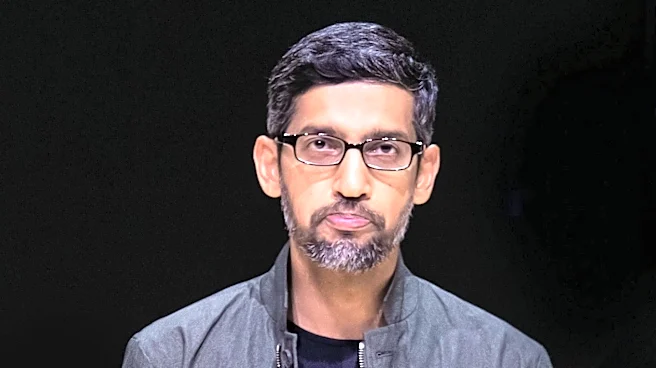
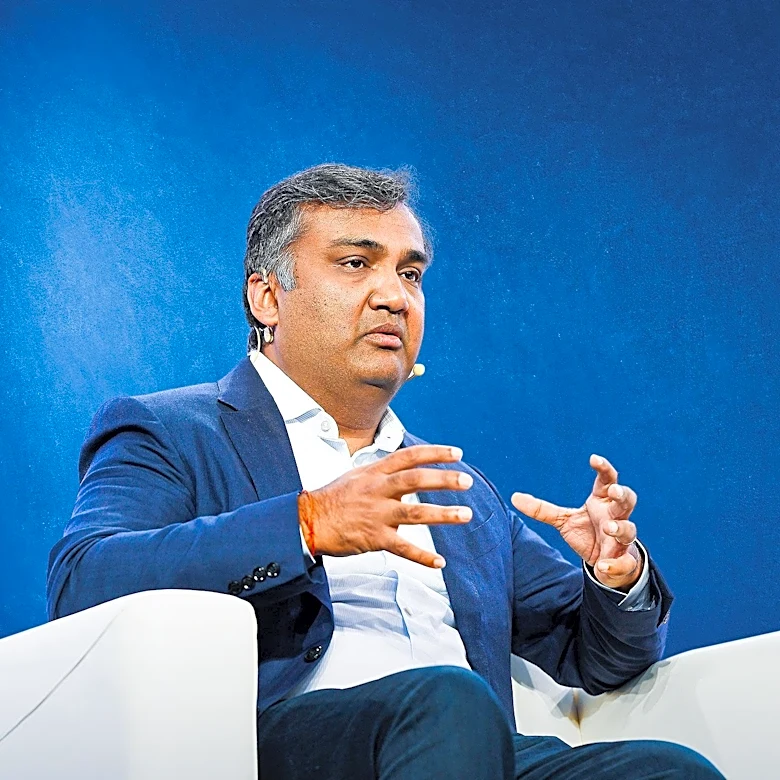
Alphabet CFO Anat Ashkenazi has outlined the company's significant investments in artificial intelligence partners, specifically Anthropic and SpaceX. Alphabet holds approximately $251 billion in equity across these two companies. The company's strategy
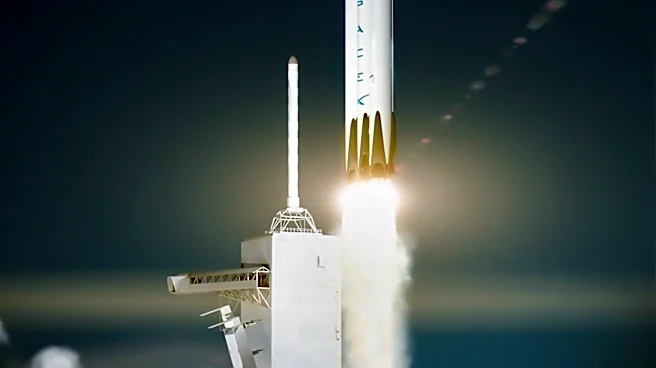
involves both direct equity investments and strategic partnerships to secure AI infrastructure and services. Alphabet initially invested $900 million in SpaceX in 2015, now holding $77 billion in equity. For Anthropic, Alphabet committed to buying $2 billion in convertible notes in September 2023, followed by an additional $1.3 billion commitment in 2024, and a $10 billion investment in early 2026, with $30 billion in further commitments. This has resulted in Alphabet holding about 13.7% of Anthropic's capital stock, valued at $174 billion. Additionally, Anthropic has committed to spending $121.3 billion on Google Cloud Platform and between $125 billion and $150 billion on Alphabet's Tensor Processing Units (TPU) chips by 2033. Alphabet also has a contract with SpaceX worth $920 million per month for 32 months, totaling $29.4 billion, for additional AI infrastructure capacity.
Why It's Important?
Alphabet's substantial investments in Anthropic and SpaceX underscore its aggressive push to dominate the artificial intelligence sector. By holding significant equity stakes and securing long-term contracts for cloud services and specialized hardware, Alphabet is strategically positioning itself to meet the escalating demand for AI computing power. This approach not only provides Alphabet with a direct financial interest in the success of leading AI innovators but also ensures a steady supply of critical resources for its own AI development and cloud offerings. The financial commitments from Anthropic to Google Cloud Platform and TPUs highlight the symbiotic relationship, where Alphabet acts as both an investor and a crucial supplier. This strategy could solidify Alphabet's market leadership in AI, potentially driving significant revenue growth from its cloud services and hardware divisions. Conversely, the large capital expenditures and long-term commitments also expose Alphabet to the risks associated with the volatile AI market, including potential shifts in technology or competitive landscape.
What's Next?
Alphabet's CFO Anat Ashkenazi anticipates a significant rise in capital expenditures in 2027, indicating continued investment in AI infrastructure and partnerships. While Alphabet has the option to sell its Anthropic shares with periodic lock-up expirations over the next year, it is likely to maintain its contracts with SpaceX, at least until mid-2027, to preserve the value of its shares before liquidation. The company's 'bridging strategy' with third-party compute providers like SpaceX is designed to meet immediate demand while Alphabet builds out its own supply. The long-term success of these investments and partnerships will depend on increased enterprise adoption and usage of AI, which is expected to fuel substantial earnings growth for both Anthropic and Alphabet. The ability of Anthropic to meet its financial commitments to Google Cloud and TPU purchases will be a key indicator of the return on Alphabet's investment.
Beyond the Headlines
Alphabet's dual role as a major investor and a critical supplier to leading AI companies like Anthropic raises interesting questions about market concentration and competitive dynamics within the rapidly evolving AI ecosystem. This strategy could lead to a more integrated AI supply chain, where a few dominant players control both the foundational technology and the infrastructure. The significant financial commitments from Anthropic to Alphabet's cloud and hardware services suggest a potential for vendor lock-in, which could impact the broader AI market by limiting options for other developers and startups. Furthermore, the ability of Alphabet to sell its equity stakes in these partners, while simultaneously benefiting from their operational expenditures, highlights a sophisticated financial and strategic maneuver that could set a precedent for how large tech companies engage with emerging technologies. This approach could accelerate AI development but also warrants scrutiny regarding fair competition and innovation across the industry.