





What's Happening?
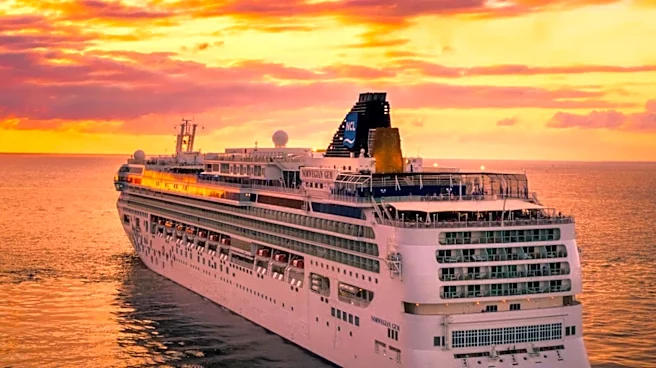
Several prominent hedge funds, including Seth Klarman's Baupost and Paul Singer's Elliott Investment Management, significantly increased their positions in Norwegian Cruise Line Holdings (NCLH) during the second quarter. This surge in hedge fund interest
comes as NCLH's shares have experienced considerable turbulence, trading approximately 72% below their pre-COVID highs of around $60 per share. Despite the broader 'experiential economy' trend, Norwegian Cruise Line's stock has struggled, nearing its 2020 lows. The company has faced challenges from pandemic-era dilution and a growing debt pile. However, new management is actively working to cut costs, reduce debt, and enhance financial flexibility. Norwegian is also pivoting towards luxury mega-ships and premium cruising experiences, aiming to emulate the success of rivals like Royal Caribbean Cruises, which has seen its shares soar by 267% in five years. The company has placed orders for new high-end ships, signaling a strategic shift towards the premium market segment.
Why It's Important?
The increased hedge fund investment in Norwegian Cruise Line suggests a belief among 'smart money' investors that the company is undervalued and poised for a rebound. This influx of capital and confidence could provide a much-needed boost to NCLH's efforts to recover from the pandemic's severe impact on the cruise industry. The strategic pivot towards luxury and premium ships is crucial for Norwegian, as this segment often commands higher margins and attracts a more resilient customer base. Competing with larger rivals like Royal Caribbean, which has significantly outpaced NCLH in recent years, requires substantial investment and a clear differentiation strategy. The company's focus on cost control, debt reduction, and fleet modernization indicates a concerted effort to improve its financial health and market position. The success of this turnaround will not only impact NCLH shareholders but also serve as a barometer for the broader recovery and future direction of the cruise industry, particularly in how it adapts to changing consumer preferences and economic conditions.
What's Next?
Norwegian Cruise Line's immediate future will involve continued efforts to execute its game plan of cost cutting, debt reduction, and fleet expansion into the premium segment. The company's ability to deliver value to consumers, particularly through its 'freestyle cruises' and upscale Oceania and Regent Seven Seas lines, will be critical. The success of its new leadership team in repairing the balance sheet and generating positive free cash flows will be closely watched by investors. The orders for new fully-loaded premium ships indicate a long-term vision, but the capital-intensive nature of the cruising industry means these investments will take time to yield significant returns. The company will also need to navigate external factors such as oil prices, interest rates, and potential recession risks, which can heavily influence its operational costs and consumer demand. The ongoing interest from hedge funds suggests a belief in the company's potential for a 're-rating' as it progresses with its strategic initiatives, but sustained performance will be key to realizing this potential.
Beyond the Headlines
The situation at Norwegian Cruise Line reflects a broader narrative within industries heavily impacted by global events, where companies must adapt and innovate to survive and thrive. The shift towards luxury experiences in cruising, for example, mirrors trends in other travel and leisure sectors, indicating a growing demand for high-end, differentiated offerings. The role of hedge funds in identifying and investing in 'deep-value' opportunities highlights their influence in shaping market recoveries and corporate strategies. This scenario also brings to light the challenges of managing significant debt accumulated during crises and the delicate balance between aggressive expansion and financial prudence. The long-term implications for the cruise industry include a potential bifurcation of the market, with a stronger emphasis on premium and ultra-luxe segments, and increased competition among operators to capture discerning travelers. The success of Norwegian's turnaround could provide a blueprint for other companies facing similar post-crisis recovery and strategic repositioning challenges.