







What's Happening?
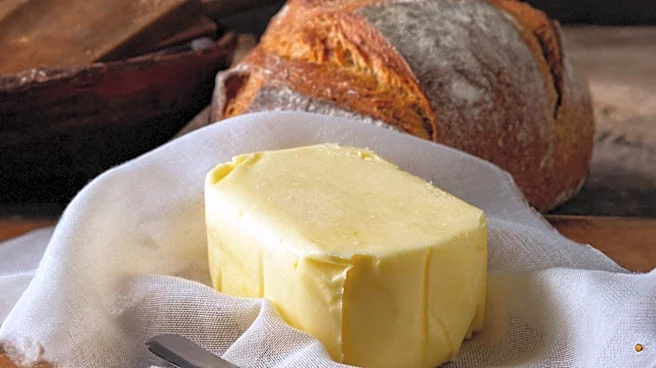
A recent article from CNET delves into the process of making homemade butter using a stand mixer, highlighting its simplicity and the minimal equipment required. The article outlines a step-by-step guide to churning butter, emphasizing that with just
two cups of heavy cream and a stand mixer, one can produce fresh butter in about ten minutes. The process involves whipping the cream until it separates into butter solids and buttermilk, which can then be strained and seasoned to taste. The article suggests that while this method may not be a cost-saving measure, it offers a unique culinary experience and a deeper understanding of food preparation. Additionally, the article provides tips for enhancing the butter with various mix-ins like sea salt, honey, or herbs, and suggests alternative methods for those without a stand mixer.
Why It's Important?
The exploration of homemade butter making reflects a growing trend among consumers to engage more deeply with food preparation and understand the origins of their ingredients. This trend is part of a broader movement towards food transparency and sustainability, as individuals seek to reduce reliance on processed foods and explore traditional cooking methods. The ability to customize butter with different flavors also appeals to culinary enthusiasts looking to personalize their cooking. This development could influence consumer behavior, encouraging more people to experiment with homemade food products, potentially impacting the dairy industry by increasing demand for high-quality cream. Furthermore, it highlights the role of kitchen technology, like stand mixers, in making traditional food preparation accessible to modern home cooks.
What's Next?
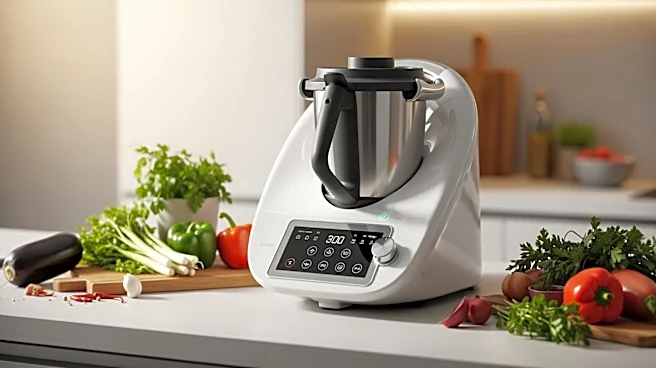
As more consumers become interested in homemade food preparation, there may be an increase in demand for kitchen appliances that facilitate these processes, such as stand mixers and food processors. Companies in the kitchen appliance industry might respond by developing more user-friendly and versatile products to cater to this growing market. Additionally, culinary schools and cooking classes may incorporate traditional food preparation techniques into their curricula to meet the interests of aspiring chefs and home cooks. The trend towards homemade food could also lead to a rise in community workshops and online tutorials, providing platforms for sharing knowledge and techniques.
Beyond the Headlines
The movement towards making homemade butter and other traditional foods could have cultural implications, as it encourages a return to artisanal food practices and a greater appreciation for the craftsmanship involved in food production. This shift may also foster a sense of community among those who share an interest in traditional cooking methods, leading to the formation of local food co-ops or clubs. Ethically, this trend aligns with a desire for more sustainable and transparent food systems, as consumers become more conscious of the environmental and social impacts of their food choices. Long-term, this could contribute to a broader cultural shift towards valuing quality and sustainability over convenience in food consumption.