



What's Happening?
Postpartum fitness routines are distinct from regular workouts, prioritizing gentle beginnings and focusing on core and pelvic floor recovery before gradually increasing intensity. The American College of Obstetricians and Gynecologists (ACOG) recommends
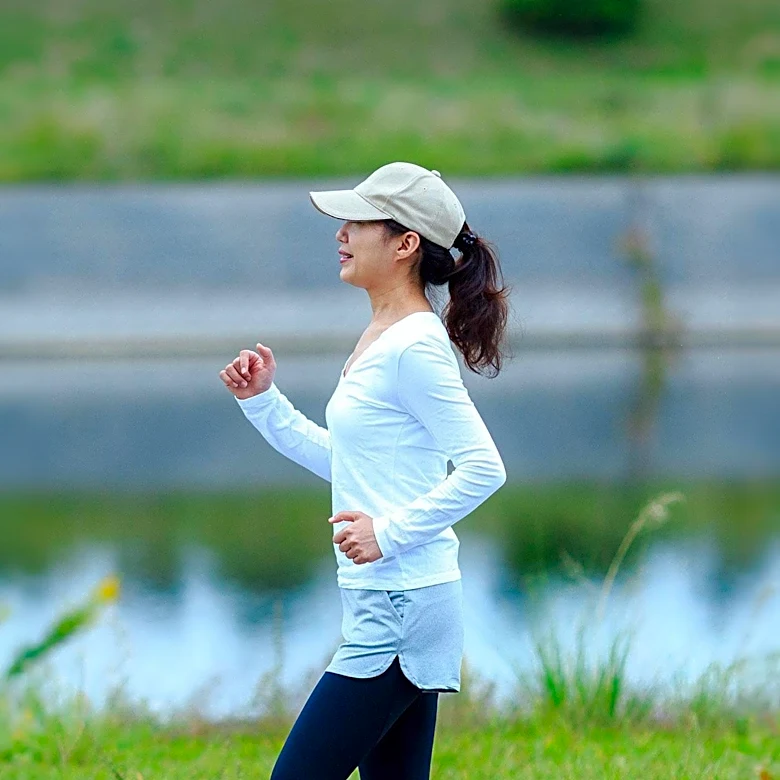
that most women can resume light activity within days of an uncomplicated vaginal delivery, with a gradual increase in intensity over several weeks, always contingent on a doctor's clearance. Rushing this recovery phase can lead to injury. Ideal starting exercises include low-impact movements such as glute bridges, walking, and gentle mobility exercises. For mothers managing conditions like PCOS alongside postpartum recovery, a steady cardio and resistance training approach is often advised by clinicians for hormone balance. The timing of workouts, whether morning or evening, is less critical than consistency, with morning sessions often showing higher adherence due to fewer daily interruptions, while evening sessions can serve as a stress release after the day's demands. Quick and effective workouts for busy mothers include 10-minute routines, low-impact circuits, and beginner kettlebell routines, emphasizing that consistency is more valuable than intensity.
Why It's Important?
The emphasis on specialized postpartum fitness is crucial for the physical and mental well-being of new mothers in the U.S. Prioritizing core and pelvic floor recovery helps prevent long-term health issues such as incontinence, pelvic organ prolapse, and chronic pain, which can significantly impact a woman's quality of life. By advocating for a gradual return to activity, medical guidelines aim to reduce the risk of injury and promote sustainable fitness habits. This approach acknowledges the unique physiological changes and demands on a woman's body after childbirth, including hormonal shifts, sleep deprivation, and the physical toll of caring for a newborn. Furthermore, providing flexible and time-efficient workout options addresses a significant barrier for many mothers: lack of time. Supporting mothers in safely regaining their strength and fitness can contribute to improved mental health, reduced risk of postpartum depression, and enhanced overall maternal well-being, ultimately benefiting families and society by fostering healthier, more resilient mothers.
What's Next?
Healthcare providers will continue to emphasize individualized guidance for postpartum fitness, stressing the importance of medical clearance before resuming exercise. The trend towards accessible, low-impact, and time-efficient workouts is likely to grow, with more resources and programs tailored to the specific needs of new mothers. There will be an ongoing focus on educating mothers about the critical role of core and pelvic floor recovery, moving away from the pressure to 'bounce back' quickly. Discussions around balancing self-care with childcare responsibilities will persist, encouraging mothers to find safe and realistic ways to incorporate physical activity into their routines. The conversation will also likely expand to include broader support systems for new mothers, recognizing that physical recovery is intertwined with mental health and overall well-being. Expect continued development of online resources and community-based programs that offer flexible and expert-guided postpartum fitness options.
Beyond the Headlines
The discourse surrounding postpartum fitness extends beyond physical exercise, touching upon societal expectations of motherhood and women's health. The pressure on new mothers to quickly regain their pre-pregnancy bodies, often fueled by social media, can lead to unsafe practices and negative body image. By advocating for a recovery-first, gradual approach, medical professionals are challenging these unrealistic expectations and promoting a more holistic view of maternal health. This shift encourages mothers to listen to their bodies, prioritize healing, and recognize that both movement and rest are essential forms of self-care. It also highlights the need for greater awareness and support for conditions like postpartum depression and anxiety, acknowledging that physical activity can be a component of mental wellness. Ultimately, this evolving understanding of postpartum fitness contributes to a broader cultural re-evaluation of how society supports and values mothers, moving towards a more compassionate and evidence-based approach to women's health.