





What's Happening?
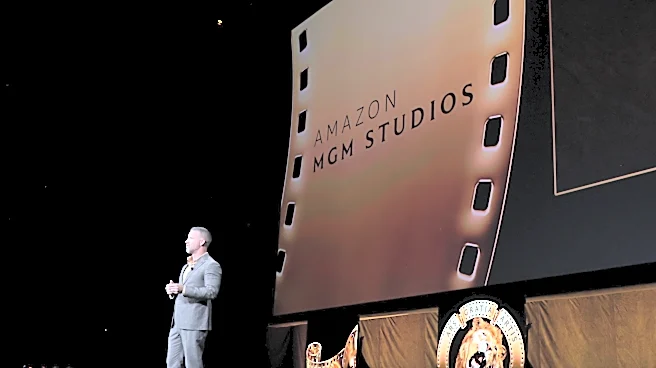
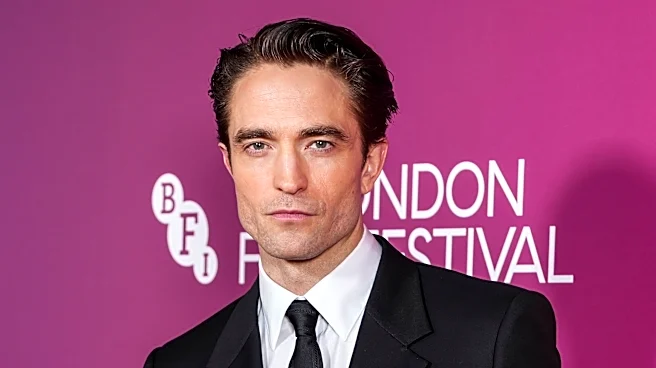
Amazon MGM Studios has officially announced Robert Pattinson, 40, as the next actor to portray James Bond, succeeding Daniel Craig. This decision concludes years of speculation regarding potential changes to the iconic character's identity, including
discussions about a black, female, or non-binary 007. Pattinson, known for his roles in 'Twilight' and 'The Batman,' expressed that taking on the role is 'the honor of a lifetime.' The announcement was made on Monday, with the 007 account sharing a picture of the British actor holding a gun. The next untitled James Bond film will be directed by Denis Villeneuve and written by Steven Knight, with production expected to begin next year and a release anticipated in 2028.
Why It's Important?
The casting of Robert Pattinson as James Bond is a significant development for one of the most enduring and globally recognized film franchises. This decision reaffirms the traditional portrayal of James Bond as a white British male, putting an end to widespread public and industry debates about diversifying the character's core identity. For Amazon MGM Studios, which acquired the franchise rights in 2025 for over $1 billion, this casting choice signals a strategic direction that prioritizes continuity with the character's established legacy while bringing in a proven box-office draw. The selection of Pattinson, known for both blockbuster and critically acclaimed independent films, suggests a potential blend of commercial appeal and artistic depth for the future of the franchise. This move will likely influence future discussions about character evolution in other long-running film series.
What's Next?
The immediate next steps involve the pre-production and eventual filming of the new James Bond movie. With Denis Villeneuve directing and Steven Knight writing, the film is expected to offer a fresh yet potentially darker interpretation of the character. The long gap since the last Bond film, 'No Time to Die' (2021), builds anticipation for Pattinson's debut. The success of this new iteration will be crucial for Amazon MGM Studios, validating their significant investment in the franchise. Future discussions will likely center on the film's tone, plot, and how Pattinson's portrayal compares to his predecessors. The decision to maintain Bond's traditional identity may also continue to fuel debates about representation in major film roles.
Beyond the Headlines
The casting of Robert Pattinson as James Bond carries deeper implications beyond the immediate film production. It reflects a broader industry trend where established franchises grapple with balancing tradition and modern audience expectations for diversity. While some advocated for a more inclusive Bond, the studio's decision to stick with a white male actor suggests a cautious approach to character reinvention, possibly aiming to appeal to a wide, traditional fanbase. This choice could set a precedent for how other legacy characters are handled in Hollywood, highlighting the commercial pressures and perceived risks associated with significant departures from established character identities. It also underscores the enduring power of the James Bond brand and its cultural significance as a symbol of British espionage.