




What's Happening?
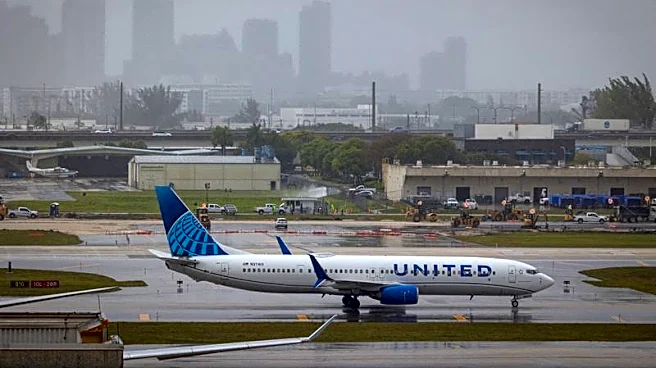
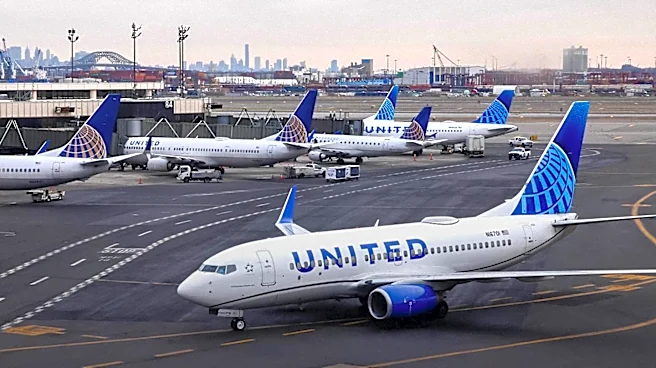
United Airlines announced new rules on November 11, 2026, prohibiting unauthorized third-party artificial intelligence agents from booking, changing, or managing flights. The airline has revised its Contract of Carriage to explicitly ban AI agents from purchasing
tickets and other services, even if passengers supervise or approve the transactions. Under these updated terms, United reserves the right to cancel reservations made or modified through such automated tools without prior notice. The restrictions extend beyond United's direct website and mobile app to include travel agencies and third-party booking platforms. The airline stated that automated assistants must receive explicit authorization from United before conducting any transactions related to its flights, including seat selections, upgrades, and other purchases. This move aims to protect customer accounts, payment information, and frequent-flyer miles from potential misuse or unintended actions by AI tools.
Why It's Important?
This policy change by United Airlines highlights growing concerns within the travel industry regarding the use of AI in customer-facing transactions. The airline cited significant risks, including the potential for AI assistants to expose sensitive customer data, make unintended purchases, alter reservations, or misuse MileagePlus miles if granted access to personal accounts. Furthermore, United noted that AI agents completing check-in acknowledgments on behalf of travelers could violate Federal Aviation Administration (FAA) and Department of Transportation (DOT) regulations, which require passengers to personally confirm safety information, such as restrictions on hazardous materials in baggage. This decision underscores a broader industry debate on balancing technological innovation with data security, regulatory compliance, and maintaining control over the customer experience. It also reflects a desire by airlines to avoid additional intermediaries that could increase costs associated with flight searches and bookings.
What's Next?
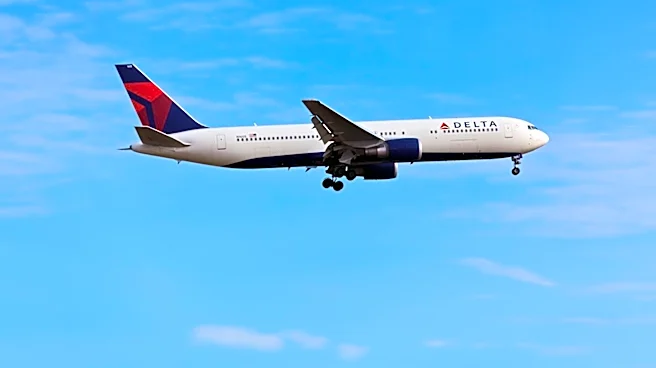
United Airlines plans to update its Digital Trust Center to provide customers with guidance on these new restrictions, how to protect their accounts, and where to seek help if an AI agent takes an unintended action. While bookings made by AI agents before November 11, 2026, will be honored, future unauthorized transactions are subject to cancellation and potential penalties, including invalidated tickets and restrictions on future travel. The airline has not yet announced any authorization agreements for AI-assisted bookings but has indicated that its updated rules allow for approved arrangements in the future as technology evolves. Other airlines are adopting varied approaches; Delta Air Lines permits certain AI assistants with authentication, American Airlines monitors AI activity, and Southwest Airlines has integrated its flight inventory with ChatGPT for research purposes, requiring users to complete purchases through its own system. This suggests a fragmented landscape for AI integration in travel booking moving forward.
Beyond the Headlines
United's decision reflects a proactive stance on data governance and regulatory adherence in the rapidly evolving AI landscape. The airline's emphasis on potential violations of FAA and DOT regulations regarding passenger acknowledgments during check-in points to a critical intersection of technology, safety, and legal responsibility. This move could set a precedent for how other industries, particularly those with stringent regulatory requirements and sensitive customer data, approach the integration of third-party AI tools. It also raises questions about the future of personalized AI assistants and their interoperability with corporate digital platforms. The airline's desire to maintain direct control over the customer booking process could also be seen as a strategic effort to preserve direct revenue channels and customer relationships, potentially limiting the influence of new technological intermediaries in the travel ecosystem. This development highlights the ongoing tension between innovation and control in the digital age.