








What's Happening?
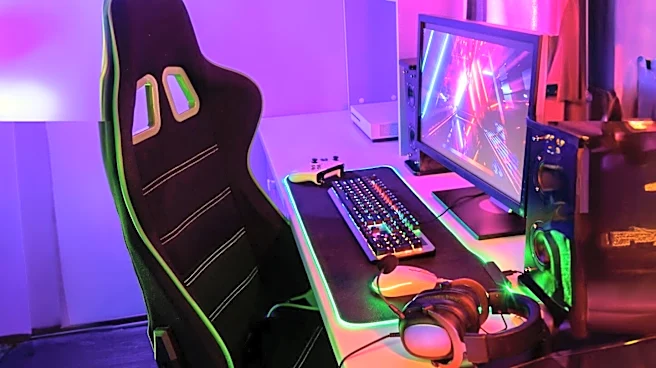
Gaming lighting is evolving beyond mere aesthetics, with a growing emphasis on smart, layered lighting solutions that enhance focus, comfort, and long-term performance for gamers. While RGB lights that flash and change color remain popular for their visual
appeal, the industry is shifting towards understanding how lighting impacts a gamer's brain and body during play. The right lighting can create a more immersive environment, reduce eye strain by helping eyes focus on the screen, and prevent distractions from harsh shadows or reflections. This includes technologies like monitor light bars, which provide both front and back lighting designed for comfort and to support focus during extended gaming sessions. The goal is to move beyond decorative lighting to functional setups that genuinely improve the gaming experience.
Why It's Important?
This shift in gaming lighting is important because it recognizes the physiological and psychological impact of the gaming environment on players. Poor lighting can lead to eye fatigue, headaches, and reduced concentration, ultimately affecting performance and enjoyment. By focusing on smart, eye-friendly lighting, gamers can maintain better visual health and sustain peak performance over longer periods. This trend also highlights a broader understanding of ergonomics in gaming, where every element of the setup is optimized for the user's well-being. For manufacturers, it opens new avenues for innovation in lighting technology, moving beyond simple LED strips to integrated systems that offer adaptive and personalized lighting experiences, thereby creating a more professional and health-conscious gaming ecosystem.
What's Next?
The future of gaming lighting will likely see further integration of smart technologies, allowing for more dynamic and responsive lighting environments. This could include lighting systems that automatically adjust based on game content, time of day, or even biometric feedback from the player to optimize comfort and immersion. Expect continued development in monitor light bars and ambient lighting solutions that prioritize eye health and reduce glare. The market may also see more personalized lighting profiles, where gamers can customize settings not just for aesthetics but for specific game genres or personal preferences related to visual comfort. The emphasis will remain on creating a holistic gaming space where lighting is an integral part of performance and well-being.
Beyond the Headlines
Beyond the immediate benefits for gamers, the evolution of smart lighting in gaming reflects a broader cultural trend towards optimizing personal environments through technology. It underscores the idea that technology can be used not just for entertainment but also for enhancing health and productivity. This focus on user well-being in a high-performance context like gaming could influence other areas, such as home office setups or educational environments, where prolonged screen time is common. The ethical implications of such immersive and potentially all-encompassing environments might also come into play, prompting discussions about digital well-being and the balance between immersion and real-world engagement. Ultimately, it signifies a move towards more thoughtful and human-centric technological design.