






What's Happening?
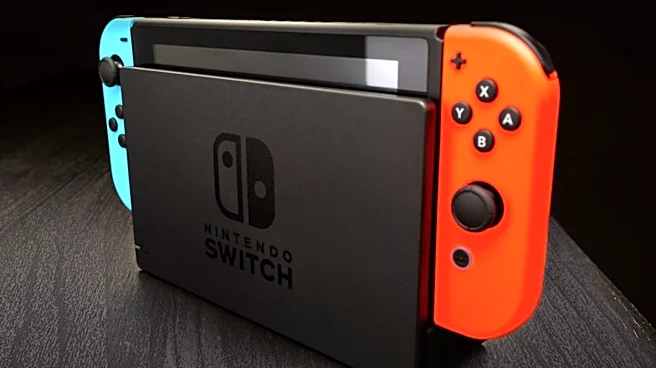
Nintendo has significantly escalated its fight against piracy by issuing seven Digital Millennium Copyright Act (DMCA) notices to GitHub, resulting in the removal of over 400 repositories related to Nintendo Switch emulators. This action, reported by TorrentFreak,
targeted various emulator projects, including Suyu, which gained prominence after the shutdown of the Yuzu emulator in 2024. Of the removed repositories, 311 were associated with Suyu, while others included forks of Yuzu and the Skyline emulator, which had previously ceased operations in 2023 to avoid legal disputes with Nintendo. The company asserts that these emulators are primarily designed to play Nintendo Switch games and illegally bypass Nintendo's technological protection measures, enabling the use of pirated game copies. This move underscores Nintendo's consistent and strict stance against unauthorized use of its intellectual property and the distribution of tools that facilitate game piracy.
Why It's Important?
This aggressive crackdown by Nintendo has significant implications for the gaming industry and the broader digital landscape. For Nintendo, it reinforces its commitment to protecting its intellectual property and revenue streams from game sales, which are crucial for its business model. The removal of these repositories aims to curb the spread of piracy, potentially driving more consumers to purchase legitimate games and hardware. For developers of emulators, this action highlights the legal risks associated with creating and distributing software that can be used to circumvent copyright protections, even if the software itself has legitimate uses. The ongoing legal battles and DMCA takedowns create a chilling effect on the open-source community, particularly those working on projects that might inadvertently or directly enable piracy. This also sets a precedent for how major corporations can leverage copyright law to control the distribution of software that interacts with their products, impacting the future of game preservation and fan-made projects.
What's Next?
Nintendo is expected to continue its vigilant pursuit of Switch emulators and any platforms hosting them. While this latest action has removed a substantial number of repositories, the nature of open-source development and the internet suggests that new emulator projects or alternative distribution methods may emerge. Nintendo will likely monitor these developments and issue further DMCA notices or pursue legal action as deemed necessary. The company's consistent enforcement strategy indicates that it views periodic cleanups as essential to prevent the widespread dissemination of pirated software. This ongoing battle will likely lead to a cat-and-mouse game between Nintendo and the emulator community, with each side adapting to the other's tactics. Furthermore, this could influence future hardware and software design, as companies may implement more robust anti-piracy measures from the outset.
Beyond the Headlines
Beyond the immediate legal and commercial implications, Nintendo's actions raise deeper questions about digital ownership, fair use, and the future of game preservation. While Nintendo's right to protect its intellectual property is legally sound, the debate around emulators often touches on the ability of users to play games they legitimately own on different platforms, or to preserve games that are no longer commercially available. The company's broad interpretation of copyright infringement, asserting that emulators are 'primarily designed' for illegal activity, challenges the notion of technological neutrality. This ongoing conflict highlights the tension between copyright holders' desire for control and the digital community's interest in accessibility and preservation. It also underscores the ethical considerations for platforms like GitHub, which must balance supporting open-source development with complying with legal takedown requests from powerful corporations.