





What's Happening?
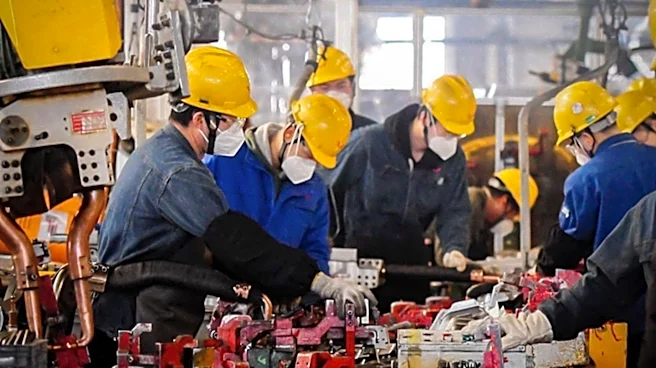
U.S. manufacturers are increasingly facing significant workforce availability challenges, impacting their expansion and operational planning. In September 2026, the Bureau of Labor Statistics reported 584,000 job openings in manufacturing, a sharp increase
from 389,000 a year prior. This shortage extends to skilled positions such as machinists, maintenance technicians, electricians, and engineers. Companies are finding that traditional site selection criteria, like acreage and transportation, are no longer sufficient without a robust long-term workforce strategy. As a result, some manufacturers are exploring lawful employment-based immigration, specifically the EB-3 visa program, as a component of their long-range workforce planning. The EB-3 visa allows U.S. companies to sponsor foreign workers for permanent, full-time positions when qualified domestic workers are unavailable. However, the process is lengthy, with the PERM labor certification stage alone averaging 315 days as of October 31, 2026.
Why It's Important?
The persistent workforce shortages in the U.S. manufacturing sector pose a significant threat to industrial growth and competitiveness. Companies are struggling to staff new or expanding facilities, which can lead to production delays, increased costs, and a potential slowdown in economic development. The reliance on the EB-3 visa program highlights a critical gap in the domestic labor market, particularly for skilled trades. While immigration can provide a solution, the lengthy processing times for visas create uncertainty and hinder effective long-term planning for businesses. This situation underscores the need for comprehensive workforce development strategies, including stronger partnerships between employers, technical schools, and community colleges, to cultivate a skilled domestic labor pool. Without addressing these shortages, U.S. manufacturing could face limitations in its capacity to innovate and compete globally.
What's Next?
Congress is currently considering the bipartisan PERM Backlog Reduction Act of 2026, which aims to alleviate delays in the EB-3 visa process. This proposed legislation would introduce an optional premium-processing system for PERM labor certifications, allowing employers to pay an additional $1,200 fee for a 30-calendar-day processing target. If enacted, this could provide manufacturers with a more predictable timeline for a crucial early stage of the employment-based immigration process, enabling better integration of labor planning with facility development. However, even with premium processing, other waiting periods related to immigrant petitions and visa availability would remain. Manufacturers will continue to prioritize robust workforce due diligence, looking beyond immediate labor pools to assess long-term availability, local training infrastructure, and potential retirement trends to ensure sustainable operations.
Beyond the Headlines
The challenges faced by U.S. manufacturers in securing a skilled workforce point to deeper structural issues within the economy, including an aging workforce, evolving skill requirements due to technological advancements, and potentially insufficient investment in vocational training. The increasing consideration of immigration pathways like the EB-3 visa reflects a broader economic reality where domestic labor supply cannot always meet demand, particularly for specialized roles. This situation could intensify debates around immigration policy, workforce education reform, and industrial policy in the U.S. It also highlights the interconnectedness of economic development, education systems, and immigration laws. Long-term, addressing these issues will require a multi-faceted approach that includes fostering domestic talent pipelines, adapting educational curricula to industry needs, and streamlining immigration processes to support critical sectors of the U.S. economy.