








What's Happening?
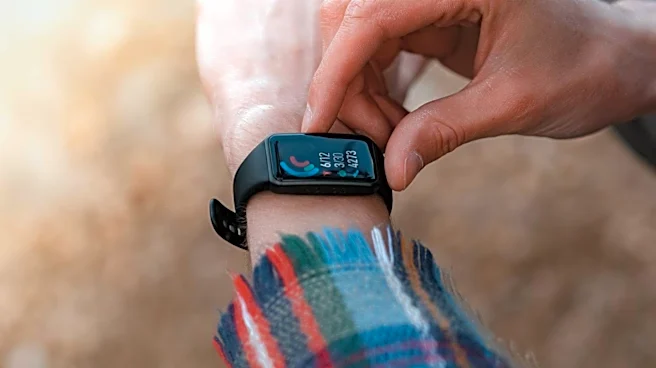
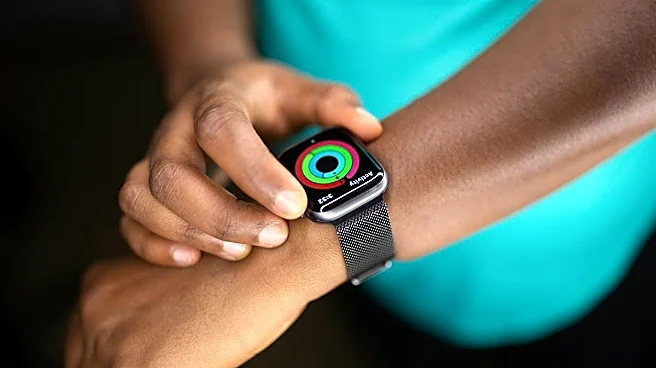
A recent test conducted on the Fitbit Air, a popular health tracker, has revealed discrepancies in its calorie counting accuracy. The test compared the Fitbit Air's performance against the Polar H10 chest strap, a device often considered the gold standard
for heart rate monitoring. While the Fitbit Air showed commendable accuracy in heart rate tracking, it fell short in calorie counting, with errors ranging from 11% to 30% in different exercises. The test involved both treadmill and strength training sessions, where the Fitbit Air's heart rate readings were generally close to those of the Polar H10. However, the calorie estimates were significantly off, particularly during strength training, where the Fitbit Air underestimated calories burned by nearly 31%. This discrepancy is attributed to the device's reliance on wrist-based sensors, which may not capture rapid heart rate changes as effectively as chest straps.
Why It's Important?
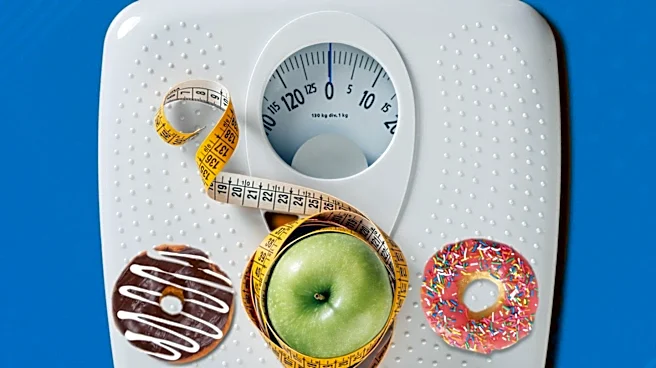
The findings highlight a critical issue for users relying on wearable health trackers for fitness and dietary management. Accurate calorie tracking is essential for individuals aiming to manage weight or improve fitness levels. The Fitbit Air's inaccuracies in calorie counting could lead to misinformed decisions regarding diet and exercise, potentially impacting users' health goals. This raises questions about the reliability of wrist-based health trackers for precise fitness monitoring, especially when compared to more accurate chest strap monitors. As wearable technology becomes increasingly integrated into daily health routines, ensuring the accuracy of these devices is crucial for consumer trust and effective health management.
What's Next?
The test results may prompt Fitbit and other wearable manufacturers to enhance the accuracy of their devices, particularly in calorie counting. Users might seek alternative methods or devices for more precise fitness tracking, such as chest straps or professional-grade equipment. Additionally, the industry could see increased scrutiny and demand for transparency in how these devices calculate health metrics. As consumers become more aware of these discrepancies, manufacturers may need to innovate and improve sensor technology to maintain market competitiveness and consumer confidence.