



What's Happening?
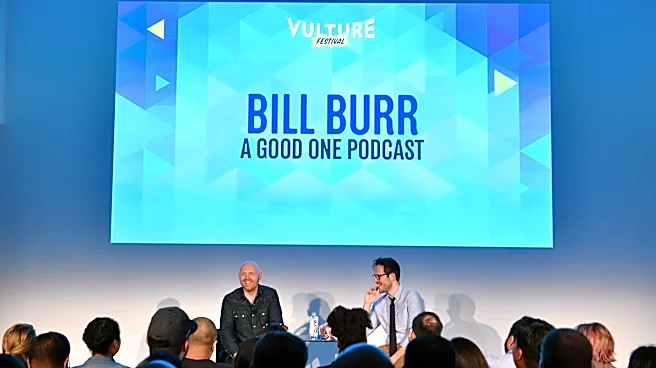
Comedian Bill Burr recently disclosed that Comedy Central executives initially did not understand or appreciate 'Chappelle's Show' when it was first presented to them. During an appearance on the 'Listen and Laugh' podcast, Burr recounted his experience
working on the popular sketch comedy series, specifically referencing the 'Charlie Murphy's Real Hollywood Stories' segment. Burr found the segment highly amusing, but according to someone connected to the show, Comedy Central executives viewed it as 'just a series of long things that are funny?' This indicates a significant disconnect between the creators' vision and the network's initial perception. Despite this early skepticism, 'Chappelle's Show,' which originally aired from 2003 to 2004, went on to become a critically acclaimed and influential program, solidifying Dave Chappelle's legacy in comedy. Chappelle himself has recently expressed openness to the idea of bringing the show back, a sentiment he had previously dismissed.
Why It's Important?
This revelation from Bill Burr highlights the often-unpredictable nature of creative success in the entertainment industry. It underscores how groundbreaking or unconventional content may not always be immediately recognized or understood by network executives, who often operate under different metrics of what constitutes viable programming. The initial rejection of 'Chappelle's Show' by Comedy Central, despite its eventual massive success and cultural impact, serves as a case study in the potential for gatekeepers to misjudge artistic merit and audience appeal. This situation is important for creators, as it illustrates the challenges of pitching innovative ideas, and for networks, as it emphasizes the risk of overlooking future hits. The show's enduring legacy, despite its abrupt end, demonstrates its significant influence on comedy and popular culture, making the network's initial skepticism a notable historical footnote in television history.
What's Next?
While Bill Burr's comments shed light on the show's past, the future of 'Chappelle's Show' remains a topic of speculation. Dave Chappelle has recently indicated a willingness to reconsider bringing the show back, a shift from his previous stance. This potential revival could generate significant interest among fans and within the entertainment industry, given the show's iconic status. Any decision to revive the series would involve complex negotiations with networks or streaming platforms, as well as creative considerations for Chappelle. The original show's abrupt conclusion left many storylines open, and a return could offer an opportunity to explore new comedic themes and social commentary. The potential for a comeback also raises questions about how a revived 'Chappelle's Show' would adapt to the current cultural and comedic landscape, nearly two decades after its original run.
Beyond the Headlines
The story of Comedy Central's initial reaction to 'Chappelle's Show' delves into deeper implications regarding artistic freedom versus corporate gatekeeping in media. It raises questions about the criteria used by network executives to evaluate content and whether these criteria stifle innovation. The show's eventual success, despite initial doubts, suggests that sometimes the most impactful art challenges conventional wisdom. This dynamic is not unique to comedy but is prevalent across various creative industries where commercial viability often clashes with artistic vision. Furthermore, the anecdote highlights the subjective nature of humor and how what one group finds funny, another may not immediately grasp. This historical context enriches the understanding of 'Chappelle's Show' as not just a popular program, but as a testament to pushing boundaries and ultimately redefining what was considered acceptable or successful in sketch comedy.