





What's Happening?
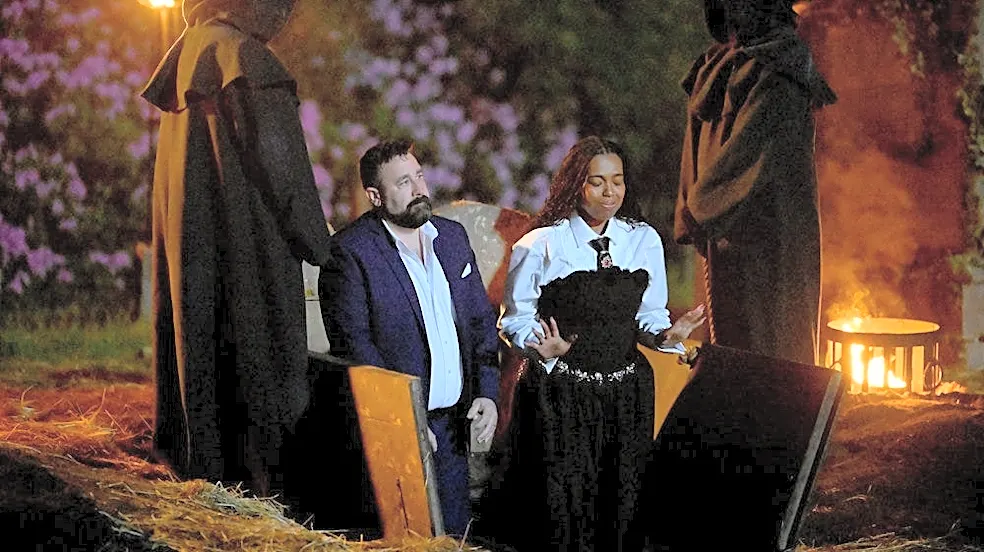
NBC removed a Halloween cold open scene from 'The Office' after its initial broadcast on October 29, 2009. The scene, which opened the sixth-season episode 'Koi Pond,' featured Michael Scott, played by Steve Carell, in an inappropriate costume referencing
the 'Dick in a Box' music video. During a haunted attraction for children, Michael also staged a fake hanging. Jenna Fischer and Angela Kinsey, hosts of the 'Office Ladies' podcast, confirmed that NBC decided to pull the scene from all future episodes and it was not included in the DVD's deleted scenes. This removal occurred during the show's original run, not as a recent edit for streaming platforms.
Why It's Important?
The removal of this particular scene highlights the evolving standards of broadcast television and the network's role in content moderation, even for comedic material. While 'The Office' is known for its cringe-worthy humor, this instance demonstrates a boundary that NBC deemed unacceptable for its audience, especially given the presence of children in the scene. It underscores the potential for public and internal backlash when content is perceived as overly offensive or inappropriate, influencing how networks approach future programming decisions and content distribution. The fact that it was pulled during its original run, rather than a later edit, indicates a more immediate and significant concern from the network.
What's Next?
While the specific scene remains removed from official broadcasts and streaming platforms, its discussion on podcasts like 'Office Ladies' and its circulation on social media ensure its continued presence in fan discourse. This incident serves as a historical example for content creators and networks regarding the sensitivities surrounding humor and appropriateness, particularly when targeting a broad audience. Future productions will likely continue to navigate these considerations, balancing creative freedom with public perception and network standards to avoid similar controversies.
Beyond the Headlines
This event touches upon broader themes of censorship, artistic freedom, and corporate responsibility in media. The decision by NBC to pull the scene reflects a network's power to shape public consumption and its interpretation of what constitutes acceptable entertainment. It also raises questions about the longevity and accessibility of original broadcast content, as scenes deemed problematic can be permanently removed from official archives. The ongoing discussion of such 'banned' content in fan communities and retrospective analyses underscores a cultural fascination with media that pushes boundaries, even if those boundaries are later retracted by the creators or distributors.