






What's Happening?
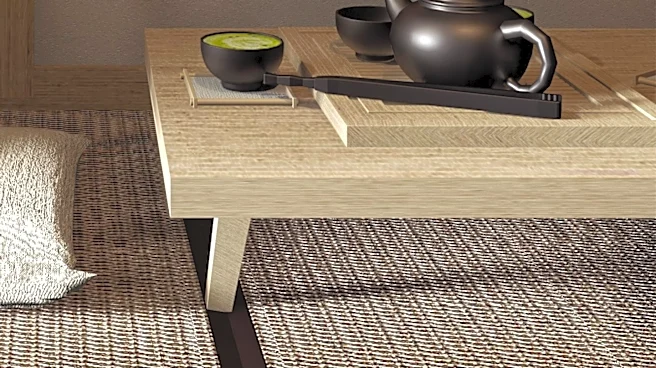
Minimalism is defined as a principle centered on owning fewer, purposeful items, manifesting in various design styles such as Japandi, which combines Japanese and Scandinavian aesthetics. This style is characterized by low furniture, darker wood, warm
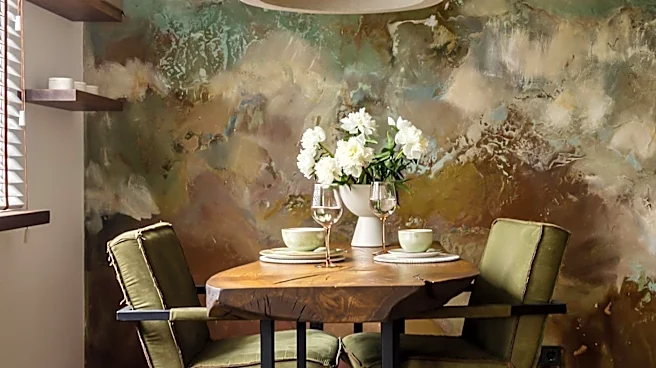
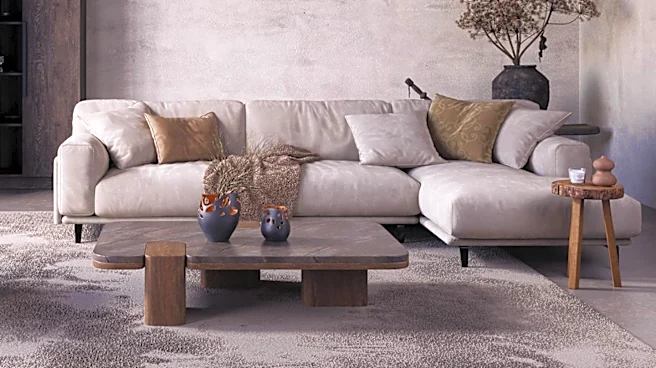
earth tones, and ample empty space. The approach emphasizes designing spaces based on their actual use, ensuring clear pathways, adequate lighting, and functional layouts. In creative fields, minimalism serves as a counter-response to visual clutter, aiming to simplify products and interfaces. However, there is a recognized risk that excessive minimalism can dilute a brand's unique identity and originality. The core objective of minimalism is to encourage individuals to reduce possessions and live more deliberately, focusing on what truly matters. A common pitfall is creating a 'hospital look,' which is often perceived as sterile and unwelcoming, with texture being identified as a key element to add depth and warmth to minimalist designs.
Why It's Important?
The growing interest in minimalism reflects a broader societal shift towards intentional consumption and a re-evaluation of material possessions, which has significant implications for U.S. industries and consumer behavior. Businesses in sectors like home furnishings, fashion, and technology are increasingly adopting minimalist design principles to appeal to consumers seeking simplicity and functionality. This trend can lead to a reduction in manufacturing waste and a greater emphasis on sustainable practices, potentially benefiting the environment. For consumers, embracing minimalism can result in financial savings, reduced stress from clutter, and a more focused lifestyle. However, companies must navigate the challenge of maintaining brand identity and originality within minimalist frameworks, as oversimplification could lead to a loss of distinctiveness in a competitive market. The movement also influences urban planning and architectural design, promoting efficient use of space and thoughtful integration of natural elements.
What's Next?
The continued evolution of minimalist principles is expected to influence various sectors, including product design, urban development, and personal finance. We may see an increased demand for multi-functional products and modular living solutions that align with minimalist values. Businesses are likely to further integrate sustainable and ethical production practices to cater to the conscious consumer base drawn to minimalism. Educational initiatives promoting intentional living and decluttering are also anticipated to grow, fostering a broader adoption of minimalist philosophies. The design community will likely continue to explore ways to incorporate warmth and personality into minimalist aesthetics, moving beyond the 'hospital look' by experimenting with textures, natural materials, and subtle color palettes. This ongoing adaptation will be crucial for the long-term appeal and practical application of minimalism in diverse contexts.
Beyond the Headlines
Beyond its aesthetic and practical applications, minimalism touches upon deeper ethical and cultural dimensions within U.S. society. It challenges the prevailing consumerist culture by advocating for conscious consumption and questioning the intrinsic value placed on material wealth. This philosophical shift can lead to a re-evaluation of societal norms, encouraging individuals to prioritize experiences and relationships over possessions. The movement also has implications for mental well-being, as reducing clutter and simplifying one's environment can alleviate stress and promote mindfulness. Culturally, minimalism can be seen as a response to the overwhelming information and product saturation of modern life, offering a path towards greater clarity and focus. However, it also raises questions about accessibility and privilege, as the ability to 'choose' minimalism often assumes a certain level of financial security and access to quality, durable goods. The long-term impact could include a more sustainable economy and a society that values intrinsic worth over superficial accumulation.