




What's Happening?
Bedroom ceiling designs are increasingly being recognized as a significant element in interior aesthetics, moving beyond mere functional surfaces. Designers are utilizing ceilings to influence the room's mood, perceived height, and overall character.
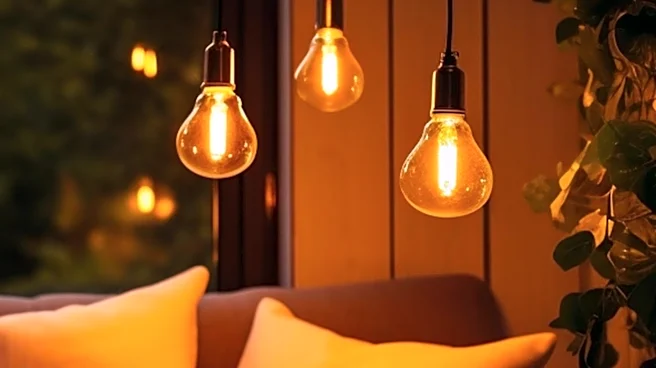
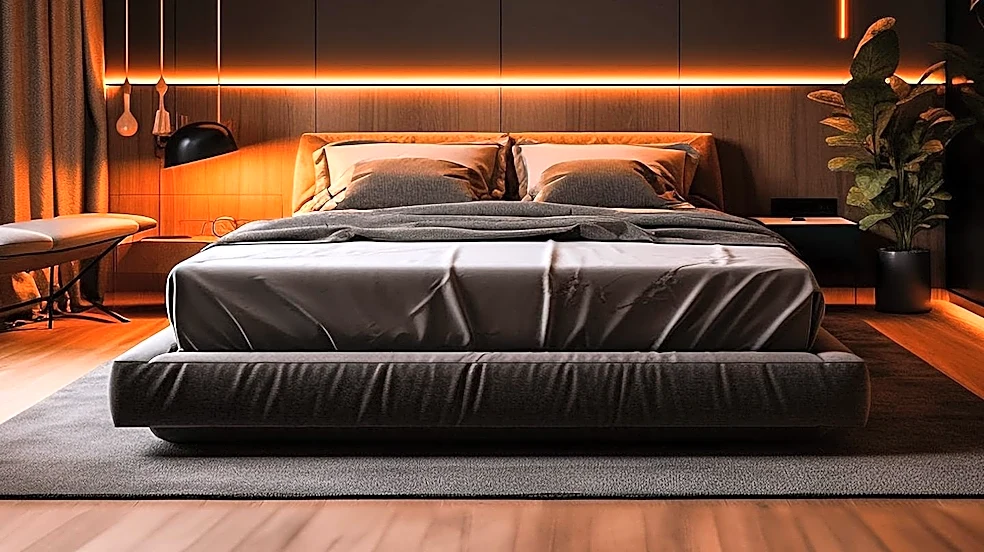
Techniques include installing hidden LED strips around the edges of built-up gypsum ceilings to create ambient mood lighting, making rooms feel taller by throwing light upward from behind ceiling trim, and incorporating unique features like curved LED coves for a modern, clean look. Some designs even transform the ceiling into a 'night sky' using poly-fill batting and LED strips. The aim is to integrate lighting and design elements directly into the ceiling structure, providing a soft, even glow without visible bulbs and enhancing the room's visual appeal.
Why It's Important?
The evolution of bedroom ceiling design signifies a shift in interior design philosophy, where every surface is considered a canvas for enhancing living spaces. For homeowners, these innovative ceiling treatments offer opportunities to personalize their bedrooms, creating unique atmospheres that can range from cozy and warm to modern and expansive. This trend also impacts the lighting and construction industries, driving demand for specialized LED products, custom ceiling materials, and skilled craftsmanship. Designers and architects are challenged to integrate these elements seamlessly, pushing the boundaries of traditional room aesthetics. The focus on indirect and ambient lighting from ceilings can also contribute to a more comfortable visual environment, reducing glare and creating a more relaxing ambiance, which is crucial for a bedroom setting.
What's Next?
The integration of advanced lighting technology and creative design elements into bedroom ceilings is expected to continue. Future trends may include more dynamic lighting systems that can change color and intensity based on time of day or user preference, potentially integrating with smart home ecosystems. We might also see further innovation in materials, such as translucent panels or textured surfaces that interact uniquely with light. The concept of the 'fifth wall' will likely gain more prominence, with ceilings becoming central features rather than overlooked surfaces. This could lead to more complex, multi-dimensional ceiling designs that combine lighting, acoustic properties, and artistic elements, offering highly customized and immersive bedroom environments.
Beyond the Headlines
Beyond the immediate aesthetic and functional improvements, the emphasis on ceiling design reflects a deeper understanding of how environmental elements influence human perception and well-being. A well-designed ceiling, especially one that incorporates thoughtful lighting, can subtly alter one's sense of space, comfort, and mood. For instance, uplighting can make a low ceiling feel higher, reducing feelings of confinement, while warm, indirect light can promote relaxation. This approach aligns with principles of biophilic design, where natural elements and patterns are integrated into built environments to enhance human connection to nature and improve overall health. By transforming a previously neglected surface, designers are creating more holistic and psychologically supportive living spaces, acknowledging the profound impact of our surroundings on our daily lives.