





What's Happening?
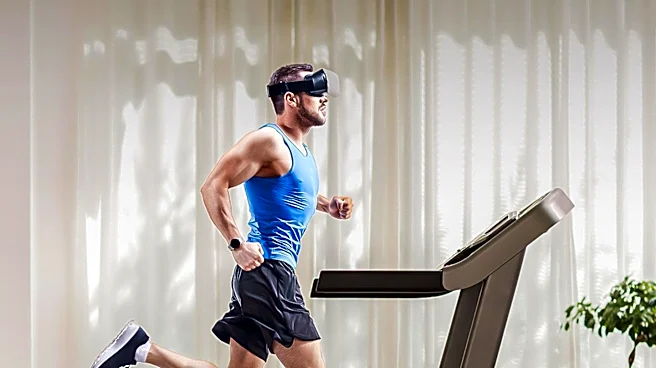
AI fitness is emerging as a significant wellness trend, utilizing artificial intelligence and machine learning to personalize exercise routines. AI-powered apps, smartwatches, and connected equipment analyze user data such as fitness level, goals, activity
history, available equipment, and past performance to recommend and adapt training plans. This technology aims to move away from one-size-fits-all workout programs by offering individualized experiences that can adjust difficulty, work with schedules, provide equipment-based recommendations, track progress, and introduce exercise variety. While AI can process large amounts of information and generate recommendations quickly, it has important limitations. It does not fully replace the experience, judgment, motivation, and safety awareness of a qualified fitness professional. AI systems depend on the accuracy of user-provided information, may not fully understand a user's physical state (e.g., fatigue, pain), and can sometimes provide incorrect recommendations.
Why It's Important?
The rise of AI fitness tools is important because it democratizes access to personalized workout planning, making it more convenient and accessible for a wider range of individuals. For those without access to a personal trainer or with limited time, AI offers a flexible and data-driven approach to exercise. This can lead to increased adherence to fitness routines and potentially better results due to tailored programs. However, the limitations of AI in fitness are equally significant. Over-reliance on AI without professional guidance, especially for beginners or individuals with injuries, could lead to improper form, ineffective workouts, or even injury. The technology's inability to provide real-time human judgment, nuanced observation, and motivational support means that while it can be a valuable tool, it cannot fully replicate the comprehensive benefits of a human personal trainer. This highlights a critical need for users to understand both the capabilities and constraints of AI fitness.
What's Next?
The future of AI fitness will likely involve continued technological advancements aimed at mitigating current limitations. We can expect AI systems to become more sophisticated in understanding user physiology, potentially through more advanced sensor integration and biofeedback mechanisms. There will likely be a greater emphasis on hybrid models where AI tools complement human expertise, allowing personal trainers to leverage AI for data analysis and program design while focusing their efforts on personalized coaching, motivation, and form correction. As the technology evolves, regulatory frameworks may also emerge to ensure the safety and efficacy of AI-generated fitness advice, particularly concerning injury prevention and appropriate recommendations for diverse user populations. The industry will also need to address data privacy concerns as more personal health data is collected and analyzed by these platforms.
Beyond the Headlines
Beyond the practical aspects of workout personalization, AI fitness raises broader questions about the nature of human-technology interaction in health. The increasing reliance on algorithms for personal well-being could subtly shift our relationship with our bodies, potentially leading to a more data-driven, rather than intuitively driven, approach to physical activity. There's a risk that individuals might prioritize algorithmic recommendations over their own bodily sensations or the advice of human experts. Furthermore, the accessibility of AI fitness tools could exacerbate existing inequalities if high-quality, safe AI solutions remain behind paywalls or require expensive hardware, leaving those with fewer resources at a disadvantage. The ethical implications of AI making health-related decisions, even if only recommendations, also warrant ongoing discussion, particularly regarding accountability when adverse outcomes occur. The long-term impact on the fitness professional industry, as AI tools become more prevalent, will also be a key area to watch.