


What's Happening?
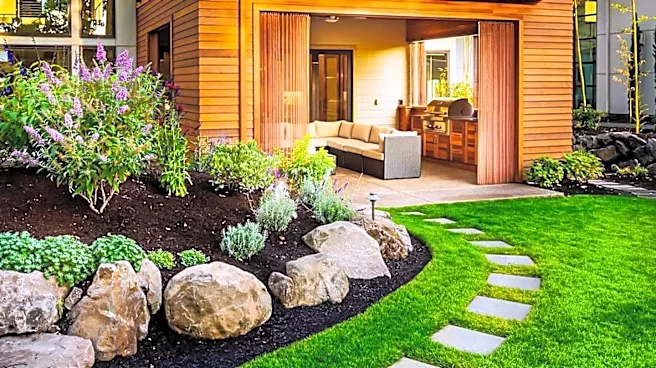
Effective backyard landscaping involves strategic design and sustainable practices to transform outdoor spaces into functional living areas. Key considerations include positioning shade trees for cooling, using evergreen screens for privacy, and incorporating
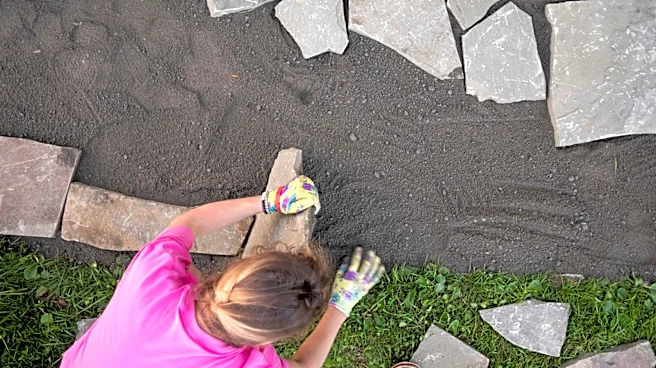
native or climate-suited plants for sustainability and reduced maintenance. Experts emphasize addressing water management issues, such as grading, irrigation, and drainage connections, before installing pavers or plants. The design should cater to the family's needs, ensuring safe movement with wide pathways and clear routes between different zones like dining, cooking, and play areas. Incorporating outdoor lighting for visibility and ambiance, and prioritizing activities like dining, cooking, and relaxation, are crucial for guiding the design process. Low-maintenance options, such as drought-resistant plants and minimal irrigation systems, are also highlighted.
Why It's Important?
Thoughtful backyard landscaping significantly impacts home value and quality of life. Professionally designed landscapes can offer a substantial return on investment, with some sources suggesting up to 200% of the original cost when selling a property. Beyond financial gains, well-planned outdoor spaces extend a home's usable square footage, providing areas for family activities, entertaining, and relaxation. This expansion of living space often comes at a fraction of the cost of an interior home addition. Proper landscaping also contributes to environmental sustainability by promoting native plant use and efficient water management, which can lead to reduced utility costs and conservation of natural resources. The creation of safe, functional, and aesthetically pleasing outdoor environments enhances overall well-being and encourages more time spent outdoors.
What's Next?
Homeowners planning backyard transformations should begin by identifying their household's specific needs and desired activities for the space. This initial planning phase should involve sketching out functional zones, pathways, and connections to the house. Subsequently, it is crucial to address practical considerations such as property lines, permits, utility locations, drainage, and safety. Engaging qualified professionals for specialized tasks like electrical, plumbing, gas, and major structural work is recommended. Projects can be phased to manage budgets, starting with essential elements like grading, drainage, and primary decks or patios, and later adding features such as shade structures, outdoor kitchens, lighting, and planting. Obtaining detailed written estimates from multiple contractors, ensuring clear scopes of work and warranties, is a critical next step to protect the investment.
Beyond the Headlines
The trend towards integrating indoor and outdoor living spaces reflects a broader cultural shift towards valuing experiences and well-being. Beyond mere aesthetics, a well-designed backyard can foster stronger family bonds by providing dedicated areas for shared activities and relaxation. It also highlights an increasing awareness of environmental responsibility, with a growing emphasis on sustainable practices like native planting and efficient water use. The complexity of modern backyard projects, often involving utilities, structural elements, and specialized landscaping, underscores the importance of professional expertise and adherence to local regulations. This evolution in home design suggests a long-term shift where outdoor spaces are no longer just an afterthought but an integral, functional, and valuable extension of the home, contributing to both property value and lifestyle quality.