







What's Happening?
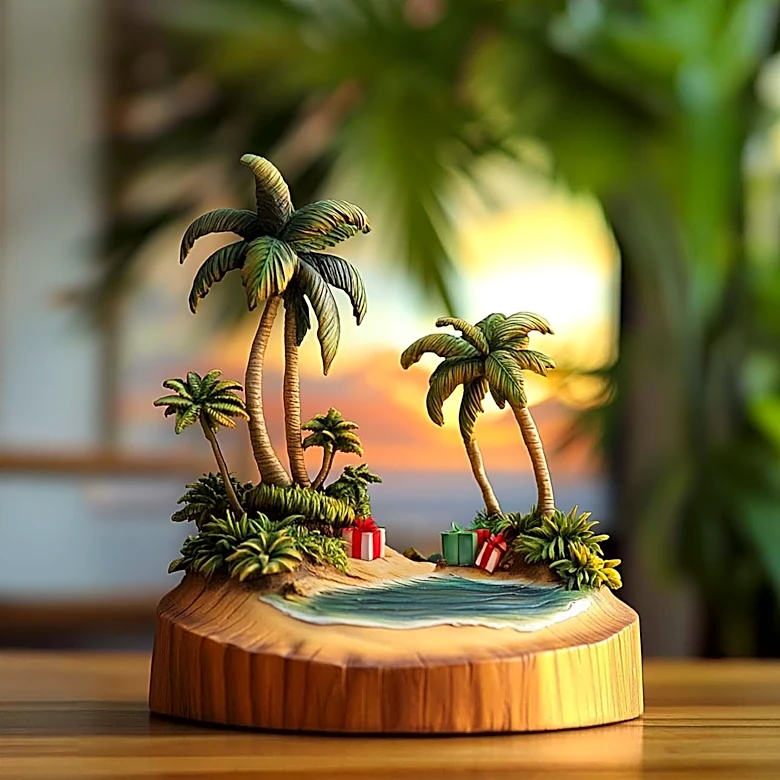
The hobby of collecting and creating miniatures is experiencing a resurgence among millennials and Gen Z, driven by the stress-relieving benefits and nostalgic appeal of these tiny worlds. According to Lee Thomas Seawell, a miniature artisan from Syracuse,
New York, the appeal lies in the serene and predictable nature of miniatures, offering a stark contrast to the complexities of real life. The pandemic played a significant role in this revival, as people sought creative outlets while confined at home. Social media platforms like Instagram have further fueled interest by demystifying the craft and encouraging participation. Artists like Katie Sieg have turned their passion for miniatures into successful businesses, leveraging platforms like Etsy and TikTok to reach a broad audience. The trend is not limited to traditional dollhouse miniatures; modern and whimsical creations are also gaining traction, reflecting a shift in the cultural perception of this art form.
Why It's Important?
The growing interest in miniatures among younger generations highlights a broader cultural shift towards activities that offer mental respite and creative expression. This trend underscores a desire for tangible, hands-on hobbies in an increasingly digital world. The resurgence of miniatures also represents a potential economic opportunity for artisans and small businesses, as demand for unique and custom creations rises. Additionally, the community aspect of this hobby fosters social connections and shared experiences, which are particularly valuable in a post-pandemic society. The popularity of miniatures could influence other industries, such as interior design and retail, as consumers seek to incorporate elements of this aesthetic into their homes and lifestyles.
What's Next?
As interest in miniatures continues to grow, we can expect to see more workshops, exhibitions, and online communities dedicated to this craft. Artisans and hobbyists may explore new themes and materials, pushing the boundaries of what miniatures can represent. The integration of technology, such as 3D printing, could further expand creative possibilities and accessibility. Businesses catering to this niche market might emerge, offering specialized tools, kits, and educational resources. The trend may also inspire collaborations with other creative fields, such as fashion and media, as the appeal of miniatures extends beyond traditional boundaries.
Beyond the Headlines
The resurgence of miniatures reflects a deeper cultural and psychological trend towards mindfulness and escapism. In a world characterized by rapid technological advancement and constant connectivity, the act of creating and engaging with miniatures offers a form of meditation and a return to simpler pleasures. This hobby also challenges traditional notions of art and craftsmanship, as it blurs the lines between play and serious artistic expression. The community-driven nature of the miniatures movement highlights the importance of shared creative experiences in fostering a sense of belonging and purpose.