








What's Happening?
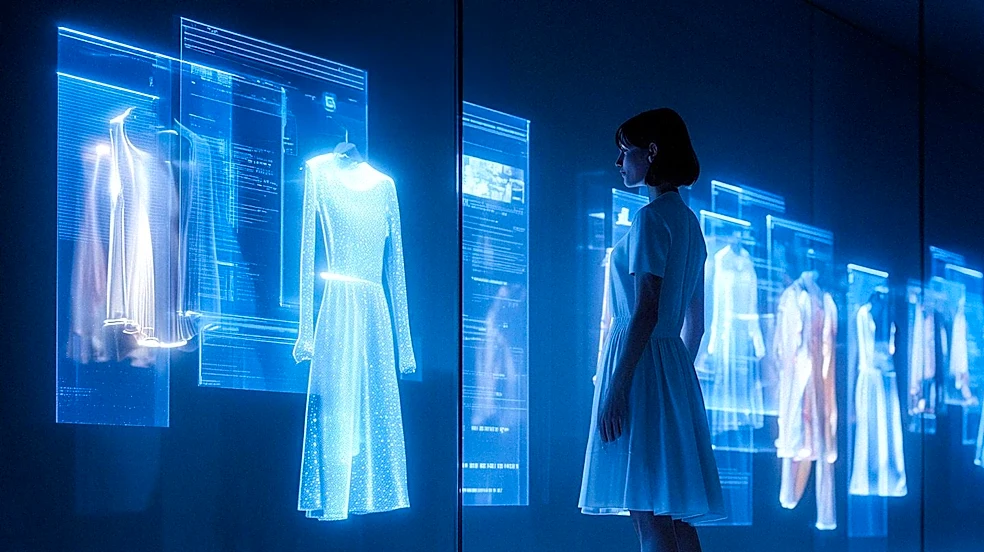
Augmented reality (AR) fitting rooms are transforming the retail sector by enabling shoppers to virtually try on clothing without physical interaction. These innovative systems leverage artificial intelligence (AI), computer vision, and AR technology
to project how garments will appear and fit on a customer's body. The process involves analyzing body measurements or photos and comparing this data against 3D models and fabric characteristics of the clothing items. Shoppers can access these virtual fitting rooms using standard smartphone cameras, tablets, or webcams, eliminating the need for specialized equipment. This technology is being adopted by brands to enhance customer engagement and provide a more interactive shopping experience, moving from traditional static displays to dynamic, personalized interactions. The goal is to create a seamless integration of digital information with the real world, allowing customers to visualize products in their own space before making a purchase.
Why It's Important?
The widespread adoption of augmented reality fitting rooms holds significant implications for the U.S. retail industry. This technology fundamentally alters consumer confidence by allowing customers to make more informed purchasing decisions, thereby reducing product returns—a major cost for retailers. For businesses, it provides invaluable data on customer preferences and interactions, which can be used to refine future designs and marketing strategies. This shift enhances operational efficiency and offers a unique product differentiation in a competitive market. Consumers benefit from improved product visualization and a more engaging shopping experience, whether online or in-store. The ability to 'try on' items virtually from anywhere can expand a retailer's reach and cater to a broader customer base, including those who prefer online shopping or have limited access to physical stores. This innovation is poised to drive growth and efficiency across the retail landscape.
What's Next?
The future of augmented reality fitting rooms will likely see further integration with e-commerce platforms and in-store experiences. As the technology matures, we can expect more sophisticated AI algorithms that offer highly accurate fit predictions and personalized style recommendations. Retailers will continue to invest in AR solutions to enhance customer engagement and streamline operations. The development of more accessible and user-friendly AR tools will encourage broader adoption among businesses of all sizes. Additionally, there may be an expansion into other retail sectors beyond clothing, such as accessories, eyewear, and even home furnishings, where customers can visualize products in their own environments. The ongoing evolution of smartphone capabilities and AR frameworks will continue to drive innovation in this space, leading to more immersive and realistic virtual try-on experiences.
Beyond the Headlines
Beyond the immediate retail benefits, augmented reality fitting rooms touch upon deeper implications for consumer behavior and data privacy. The collection of body measurement data and shopping preferences raises questions about how this information will be stored, used, and protected. Ethical considerations regarding personalized marketing based on such intimate data will become increasingly relevant. Culturally, this technology could further blur the lines between physical and digital shopping, potentially altering traditional retail models and consumer expectations. It also highlights a broader trend of technology-driven personalization, where individual preferences are catered to with unprecedented precision. The long-term impact could include a shift in how fashion is designed and marketed, with a greater emphasis on digital representation and virtual experiences, potentially influencing sustainability efforts by reducing the need for physical samples and returns.