




What's Happening?
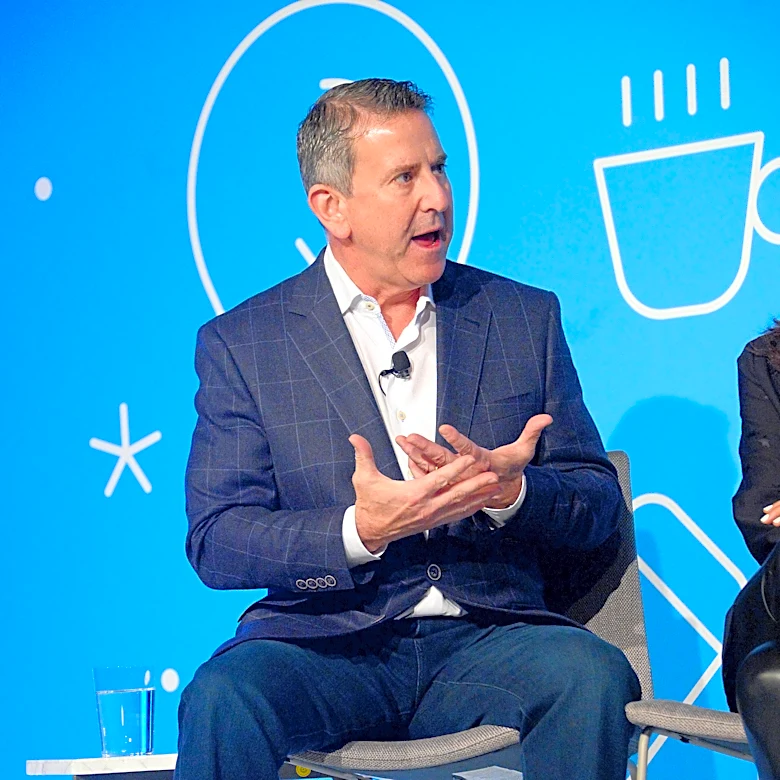
Peter St. Onge, Senior Economist at The Heritage Foundation, suggests that a long-term 'massively bullish' scenario for Bitcoin and gold could emerge if the Federal Reserve abandons its 2% inflation target. Currently, inflation is near 4%, and the Fed is implementing
rate hikes, which St. Onge notes is 'sucking all of the oxygen out of any kind of hard money assets for the moment.' He attributes Washington's 'addiction to inflation' to factors like COVID and the war in Iran. St. Onge argues that a shift to a 3% inflation target would disproportionately harm savers and young people. While acknowledging a near-term negative impact on Bitcoin and gold due to current economic conditions, he maintains that such a policy change by the Fed would ultimately be highly favorable for these assets in the long run. His analysis points to a fundamental shift in monetary policy as a key driver for the future valuation of hard money assets.
Why It's Important?
This perspective is significant because it highlights a potential long-term shift in the valuation of alternative assets like Bitcoin and gold, directly tied to the Federal Reserve's monetary policy. If the Fed were to officially abandon its 2% inflation target and aim for a higher rate, it could signal a fundamental change in how the U.S. government manages its currency and debt. Such a move would likely erode the purchasing power of the U.S. dollar more rapidly, making assets perceived as inflation hedges, like Bitcoin and gold, more attractive. Savers and young people, who typically rely on stable currency values for wealth accumulation, would be negatively impacted by higher inflation, potentially driving them towards these alternative investments. This scenario could lead to a significant reallocation of capital within the U.S. financial system, impacting traditional investment vehicles and potentially accelerating the adoption of cryptocurrencies and precious metals as stores of value.
What's Next?
The immediate future will likely see continued debate and scrutiny over the Federal Reserve's inflation targets and monetary policy. As inflation remains elevated and the Fed continues its rate hikes, market participants will closely watch for any indications of a shift in strategy. Should economic pressures or political considerations lead the Fed to reconsider its 2% target, discussions around the implications for hard money assets like Bitcoin and gold will intensify. Investors and financial institutions may begin to adjust their long-term strategies, potentially increasing their exposure to these assets in anticipation of a policy change. Furthermore, public discourse around the impact of inflation on different demographic groups, particularly savers and younger generations, could gain prominence, influencing political pressure on monetary policymakers. The trajectory of inflation and the Fed's response will be critical in determining whether St. Onge's 'massively bullish' prediction materializes.
Beyond the Headlines
The deeper implications of the Federal Reserve potentially abandoning its 2% inflation target extend beyond immediate market reactions. Such a decision could fundamentally alter public trust in fiat currency and central banking institutions. If the Fed signals a willingness to tolerate higher inflation, it could be perceived as a tacit admission that traditional monetary policy tools are struggling to manage economic stability without devaluing currency. This could accelerate a broader societal shift towards decentralized finance and alternative monetary systems, as individuals seek to protect their wealth from perceived governmental mismanagement of currency. Ethically, a move to a higher inflation target raises questions about intergenerational equity, as it effectively transfers wealth from savers and future generations to those with existing debt. Legally, it could prompt calls for greater oversight or reform of the Federal Reserve's mandate, potentially leading to legislative efforts to redefine its independence and objectives in managing the nation's economy.