








What's Happening?
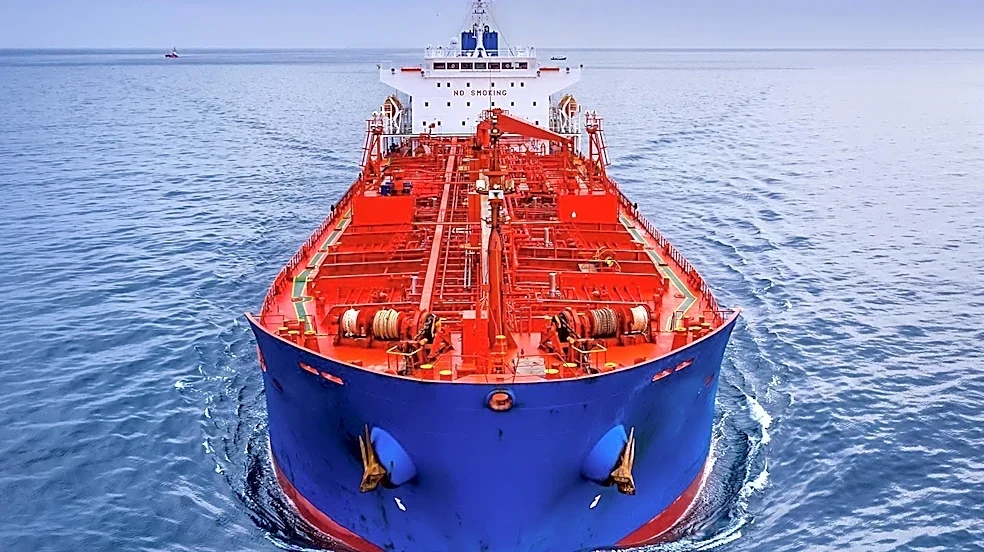
Great Lakes freighters, including the largest vessel, the Paul R. Tregurtha, which measures over 1,000 feet long, are designed exclusively for freshwater operation and cannot navigate to the ocean. This limitation is primarily due to the size constraints
of the Welland Canal, which bypasses Niagara Falls and connects Lake Erie to Lake Ontario. The Welland Canal's locks are significantly smaller than the freighters, with standard Seaway vessel dimensions limited to approximately 740 feet long and 78 feet wide. While the Poe Lock at Sault Ste. Marie can accommodate the thousand-foot freighters for movement between Lake Superior and the lower lakes, these larger ships are still too wide and long for the Welland Canal. Additionally, the design of these 'lakers,' with long cargo decks, blunt bows, and self-unloading conveyor systems, is optimized for the specific needs of Great Lakes ports and cargo, such as iron ore, and does not meet the structural and load line requirements for ocean service.
Why It's Important?
The inability of Great Lakes freighters to access the ocean has significant economic and logistical implications for U.S. industries. It necessitates a distinct shipping ecosystem within the Great Lakes, where specialized vessels handle the bulk transport of commodities like iron ore, grain, and other materials between industrial centers. This specialization means that goods destined for overseas markets or originating from them must be transferred to 'salties' (ocean-going vessels) that are designed to fit through the Seaway and meet ocean-going standards. This transfer process can add costs and time to the supply chain. The design choices, such as the self-unloading booms on many lakers, are highly efficient for Great Lakes ports, reducing the need for extensive port infrastructure. However, these designs are not suitable for the more rigorous conditions and diverse port facilities encountered in ocean travel, highlighting a unique aspect of U.S. inland water transportation.
What's Next?
The current operational model for Great Lakes shipping is expected to continue, with specialized freighters serving the inland waterways and 'salties' handling international trade. There are no indications of plans to expand the Welland Canal locks to accommodate the largest lakers, as such a project would be immensely costly and complex. Therefore, the distinction between Great Lakes-only vessels and ocean-going ships will remain. Innovation in Great Lakes shipping will likely focus on optimizing existing vessel designs for efficiency within the current constraints, as seen with newer, smaller lakers like the Mark W. Barker, designed for specific river navigation. The industry will continue to rely on the transshipment of goods at ports where lake and ocean vessels can connect, maintaining the current logistical framework for trade.
Beyond the Headlines
The unique characteristics of Great Lakes freighters and their operational limitations underscore a broader theme of infrastructure and design dictating economic possibilities. The engineering marvels of the Great Lakes shipping system, including the locks and canals, represent a historical commitment to facilitating trade within the continent. However, these very structures also impose constraints that shape the design of vessels and the logistics of commerce. The 'lakers' are a testament to specialized engineering, tailored to a specific environment and purpose. This situation also highlights the regulatory complexities of maritime transport, where different load line certificates and safety standards apply to freshwater versus ocean-going vessels. The ongoing adaptation of shipping practices to these geographical and regulatory realities is a continuous process, reflecting the dynamic interplay between natural environments, human engineering, and economic demands.