
What's Happening?
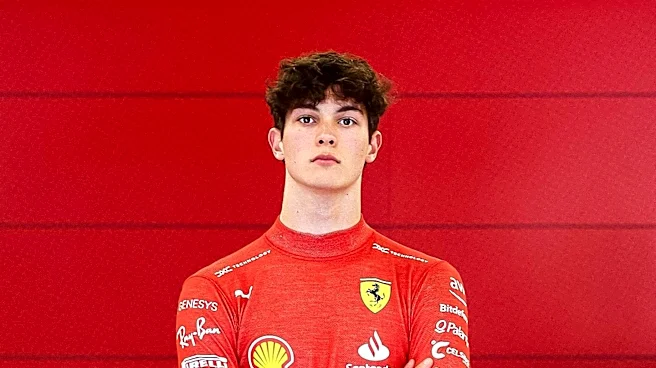
Oliver Bearman's contract renewal with the MoneyGram Haas F1 Team for the 2027 season is facing delays, despite mutual interest from both the driver and Haas Team Principal Ayao Komatsu. The primary reason for this holdup appears to be Bearman's long-term
aspirations, specifically his potential move to Ferrari in 2028. Bearman, who is part of Ferrari's young driver academy since 2021, made his Formula 1 debut earlier than expected in March 2024, substituting for Carlos Sainz at the Saudi Arabian Grand Prix. His performance led to further opportunities with Haas before becoming a full-time driver for the American team in 2025. While Bearman has expressed his desire to continue with Haas, he also indicated that broader issues, likely concerning his contractual ties with Ferrari, are influencing the negotiation process. The situation is complicated by Ferrari's inability to guarantee a seat for 2028 at this stage, as such a decision would depend on various factors including driver performance and team evolution.
Why It's Important?
This contractual uncertainty for Oliver Bearman has significant implications for both Haas and Ferrari within the U.S. and global motorsports landscape. For Haas, retaining a promising talent like Bearman is crucial for their competitive development and brand image, especially as an American-owned team in Formula 1. Losing him could impact their future performance and attractiveness to other young drivers. For Ferrari, managing their academy drivers' career paths is vital for their long-term strategy. If Ferrari cannot provide a clear path for Bearman, it could lead to him seeking opportunities elsewhere, potentially weakening their talent pipeline. The delay also highlights the complex interplay between driver development, team loyalty, and the strategic decisions made by top-tier teams like Ferrari, affecting the career trajectories of emerging talents in the sport. The outcome of these negotiations could influence driver market dynamics for upcoming seasons.
What's Next?
The immediate next step involves continued negotiations between Oliver Bearman, Haas, and Ferrari to resolve the contractual complexities. Bearman's goal is to secure a seat for 2027, most likely with Haas, while ensuring he maintains flexibility for a potential move to Ferrari in 2028. Haas aims to retain Bearman, with Team Principal Ayao Komatsu emphasizing the team's desire to grow with the driver and provide a competitive car. However, Ferrari's commitment for 2028 remains uncertain, as it depends on future performance and strategic considerations. If Ferrari cannot offer guarantees for a 2028 seat, Bearman might have leverage to detach from his current contractual obligations with the Italian team, which could accelerate his renewal with Haas under more favorable terms for his long-term career. The resolution of this situation will likely set a precedent for how young drivers with ties to larger teams navigate their early F1 careers.
Beyond the Headlines
Beyond the immediate contract discussions, this situation underscores the broader challenges faced by young drivers in Formula 1's highly competitive environment. Drivers like Bearman, who are part of prestigious academies, often find their careers intertwined with the strategic decisions of larger teams, limiting their autonomy. The delay in his contract renewal highlights the tension between a driver's immediate need for a competitive seat and their long-term aspirations with a top team. This scenario also brings to light the ethical considerations for teams in nurturing talent versus securing their own future driver lineups. The outcome could influence how driver academies structure their contracts and how young talents negotiate their paths, potentially leading to more flexible agreements or clearer pathways to top-tier teams. It also reflects the increasing importance of strategic planning in a driver's career, extending beyond just on-track performance to include complex contractual and political considerations within the sport.