


What's Happening?
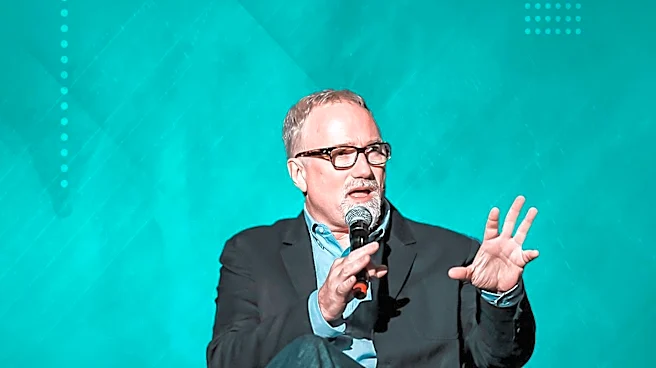
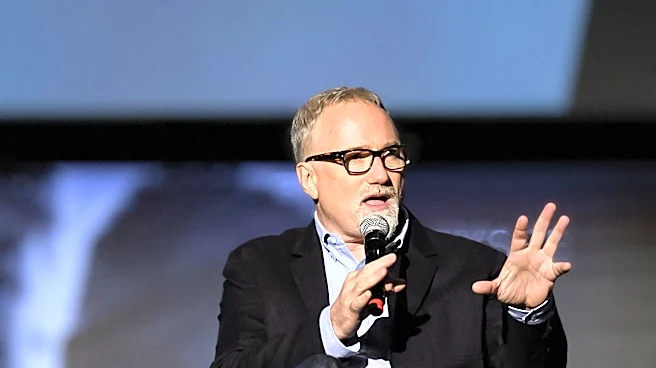
Filmmaker David Fincher has publicly expressed his support for incorporating artificial intelligence (AI) into the filmmaking process, suggesting it can significantly reduce the number of takes required for scenes. Speaking on 'The Big Picture' podcast,
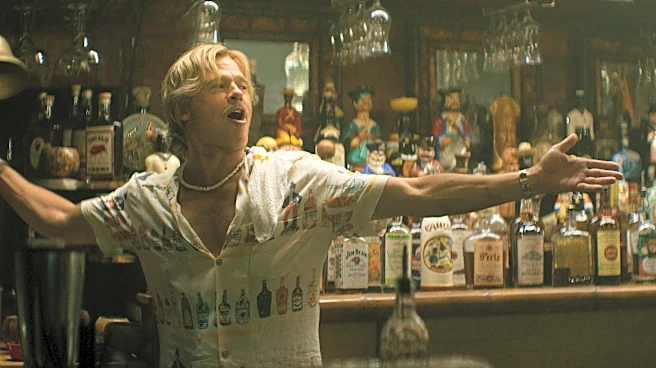
Fincher outlined a vision where AI technology could handle repetitive aspects of production, such as iteration for over-the-shoulder shots and close-ups, after a master shot is filmed. He believes this approach would allow actors to perform from the clavicles up in chairs, while the crew moves to pre-light the next stage. Fincher, known for demanding numerous takes, argues that AI could prevent issues like missed focus or stray hairs, thereby making the process more efficient. His comments come amidst controversy surrounding the use of AI in his latest film, 'The Further Mis-Adventures of Cliff Booth,' and position him as one of the few Hollywood filmmakers openly embracing the technology.
Why It's Important?
Fincher's advocacy for AI in filmmaking could signal a significant shift in Hollywood production practices, potentially impacting crew roles, production timelines, and budgets. If widely adopted, his vision of using AI to reduce takes and streamline post-production could lead to faster film completion and potentially lower costs, benefiting studios and producers. However, it also raises concerns among various stakeholders, including actors and crew members, about job displacement and the changing nature of creative work. The debate around AI in Hollywood has been contentious, with many filmmakers expressing skepticism or outright rejection of the technology. Fincher's stance, therefore, challenges the prevailing sentiment and could encourage further exploration and investment in AI tools within the industry, potentially reshaping the future of film production in the U.S.
What's Next?
The ongoing discussion and controversy surrounding AI in filmmaking are likely to intensify as more filmmakers and studios weigh the benefits against the potential drawbacks. Fincher's public endorsement may prompt other industry figures to either support or further oppose AI integration, leading to more formalized debates and potentially new industry guidelines or union negotiations regarding AI's role. The success or reception of films like 'The Further Mis-Adventures of Cliff Booth,' which reportedly utilizes AI, could also influence future adoption rates. As AI technology continues to advance, the industry will face increasing pressure to define its ethical and practical boundaries, potentially leading to new training programs for crew members to adapt to AI-assisted workflows or, conversely, increased resistance from those concerned about job security and creative control.
Beyond the Headlines
The embrace of AI in filmmaking, as championed by Fincher, touches upon broader ethical and philosophical questions about the nature of creativity and human contribution in art. While Fincher emphasizes that AI would still be 'based on real human beings' and their movements, the increasing automation of creative tasks could lead to a re-evaluation of what constitutes 'authentic' filmmaking. This development could also exacerbate the existing tension between technological advancement and artistic integrity, potentially leading to a two-tiered system where AI-assisted films are viewed differently from those produced through traditional methods. Furthermore, the legal implications surrounding intellectual property and the use of AI-generated content, especially concerning actor likenesses and performance capture, will likely become a more prominent issue, requiring new legal frameworks and industry standards to be established.