



What's Happening?
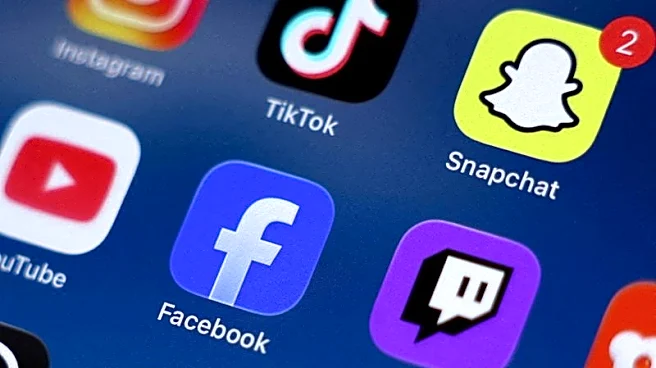
Social media platforms have become significant influencers in shaping diet and nutrition trends, often promoting both positive and negative impacts on eating lifestyles. The rise of healthy diet culture online is driven by the accessibility and visual
appeal of platforms like Instagram, TikTok, and YouTube, where users are exposed to a variety of diet plans, recipes, and fitness goals. Influencers, nutritionists, and food coaches share content that encourages healthier choices, but this also raises concerns about the accuracy and representation of the information. The democratization of information allows anyone to post health tips, which can lead to the spread of misinformation and the promotion of unrealistic ideals. This environment can foster body dissatisfaction and disordered eating patterns, as users are often exposed to idealized images and restrictive diet trends.
Why It's Important?
The influence of social media on diet culture has significant implications for public health and individual well-being. While it can increase awareness of healthy eating and provide access to supportive communities, it also poses risks by spreading misinformation and promoting harmful eating patterns. The pressure to conform to idealized body images and restrictive diets can lead to mental health issues, such as anxiety and body dysmorphia. Understanding the role of social media algorithms in prioritizing sensational content over evidence-based information is crucial for users to navigate health information responsibly. The commercial incentives for influencers to promote certain products or diets further complicate the landscape, making it essential for users to critically evaluate the content they consume.
What's Next?
To mitigate the negative impacts of social media on diet culture, users are encouraged to follow evidence-based accounts and prioritize content from verified health professionals. Practicing mindful consumption and avoiding comparisons to filtered images can help individuals maintain a balanced approach to health and nutrition. As awareness grows, there may be increased calls for regulation and fact-checking on social media platforms to ensure the dissemination of accurate health information. Additionally, the promotion of body positivity and intuitive eating could gain traction as counter-movements to the current diet culture trends.