





What's Happening?
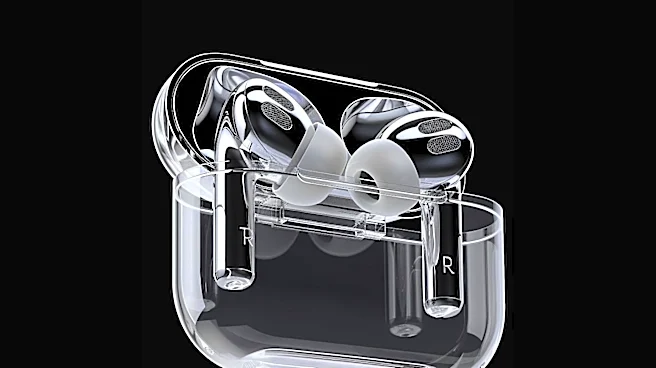
JBL has launched its new Live Buds 4, a pair of wireless earbuds featuring a smart charging case with a responsive touchscreen. This new generation of in-ear headphones allows users to adjust sound settings, adapt Active Noise Cancellation (ANC), and
access various tools directly from the case, eliminating the need for a companion app for basic tweaks. The Live Buds 4 are part of JBL's broader Live range and claim several upgrades over their predecessor, including enhanced ANC, new 'fidelity drivers,' and boosted call quality. The earbuds offer a secure and comfortable fit, making them suitable for extended listening periods. While the smart case is a key differentiator, the earbuds also deliver strong sound quality with impactful bass, clear mids, and expressive highs. The device includes 6 microphones and Perfect Calls 2.0 technology, utilizing AI for clearer voice calls, though some background noise can still be noticeable. The ANC, while improved, does not fully match the performance of top-tier competitors like Apple and Bose.
Why It's Important?
The introduction of the JBL Live Buds 4 with its innovative smart charging case represents a notable development in the competitive wireless earbud market. By integrating a touchscreen directly into the charging case, JBL aims to offer a more convenient and app-free user experience for on-the-go adjustments, potentially appealing to consumers seeking streamlined control over their audio settings. This feature could influence future earbud designs across the industry, pushing competitors to innovate beyond traditional app-based controls. The focus on enhanced audio quality at a price point lower than premium rivals like Apple AirPods Pro 3 and Bose QuietComfort Ultra Earbuds Gen 2 makes the Live Buds 4 a strong contender for consumers prioritizing sound performance and unique features without the highest price tag. Its success could shift market dynamics by offering a compelling alternative that balances innovation, audio fidelity, and value, potentially increasing competition in the mid-to-high-range earbud segment.
What's Next?
JBL will likely continue to market the Live Buds 4 by highlighting its unique smart charging case and strong audio performance to differentiate it from competitors. The company may also gather user feedback on the touchscreen interface and ANC performance to inform future product iterations. Competitors in the audio market will be observing the reception of JBL's smart case technology; if it proves popular, other brands might explore similar integrated control features in their upcoming earbud releases. Consumers can expect to see the Live Buds 4 become widely available, with potential promotions or bundles to attract buyers. Future software updates for the Live Buds 4 could further refine the user interface on the smart case and potentially improve call quality or ANC performance. The broader trend of integrating more functionality directly into earbud accessories, rather than relying solely on smartphone apps, may gain traction if JBL's approach resonates with a significant portion of the market.
Beyond the Headlines
The JBL Live Buds 4's smart charging case signifies a broader trend in consumer electronics towards decentralizing control and enhancing user independence from primary devices like smartphones. This move could reflect a desire among users for more immediate and tactile interaction with their gadgets, reducing the friction of switching between apps. While currently a 'gimmick' to some, the integration of a responsive touchscreen on a charging case could evolve into a standard feature, particularly as wearable technology becomes more sophisticated and users seek seamless control over their audio experiences. This innovation also touches upon the ongoing debate about the necessity of companion apps for every smart device; JBL's approach suggests a potential shift towards more self-contained and intuitive product ecosystems. Furthermore, the emphasis on audio fidelity at a competitive price point underscores a market where consumers are increasingly discerning about sound quality, pushing manufacturers to deliver premium experiences without exclusively targeting the ultra-high-end segment.