


What's Happening?
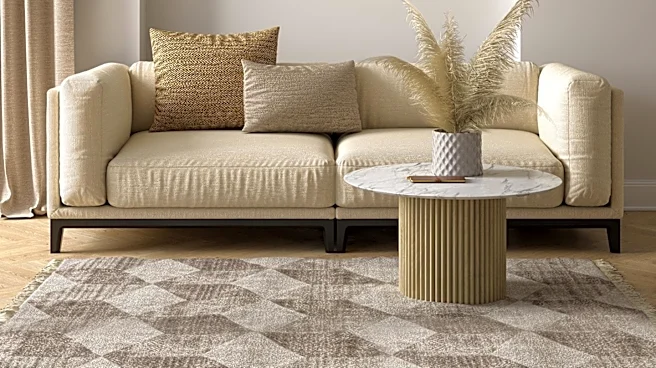
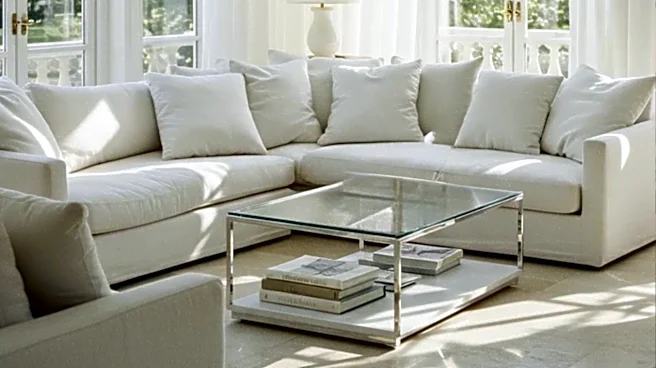
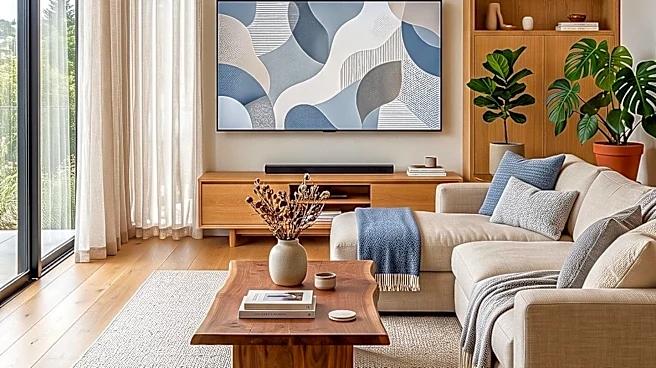
Contrary to the conventional wisdom that small rooms require small furniture, a new design approach in the U.S. advocates for oversized pieces to create a sense of spaciousness. This method involves selecting substantial furniture, such as large sectionals,
tall headboards, or monumental kitchen islands, to establish a room's proportions and reduce clutter. For example, a rust corduroy sectional can occupy an entire wall, defining the room's purpose as a lounging destination, while a walnut armoire can replace several smaller cabinets, leaving more wall space uninterrupted. The key is to choose furniture with enough presence to anchor the room, allowing other elements like lighting and architectural features to complement rather than compete. This strategy aims to bring order to compact interiors by replacing a collection of competing objects with a few impactful ones, ensuring comfort and functionality without making the space feel crowded.
Why It's Important?
This design philosophy challenges traditional U.S. interior decorating norms for small spaces, offering a fresh perspective that prioritizes comfort and visual impact. For consumers, it means they can achieve a luxurious and well-defined aesthetic even in modest homes or apartments, moving away from the 'dollhouse' effect often associated with undersized furniture. The furniture industry is impacted by this trend as it encourages the production and marketing of larger, more statement-making pieces designed for efficiency and visual weight. This approach can lead to higher customer satisfaction by providing solutions that make small rooms feel more substantial and inviting. It also highlights the importance of thoughtful furniture selection and arrangement, emphasizing quality and presence over quantity, which can influence purchasing decisions and design consultations across the country.
What's Next?
The adoption of oversized furniture in small spaces is likely to continue influencing U.S. interior design trends. Designers may increasingly incorporate this concept into their projects, showcasing how strategic placement of large items can enhance functionality and aesthetics. Furniture manufacturers might respond by offering more substantial pieces tailored for compact living, focusing on scale and proportion rather than just physical size. Educational content for consumers on how to effectively use oversized furniture in their homes could also become more prevalent. This trend could also lead to a re-evaluation of how 'small space living' is perceived, shifting the focus from minimizing everything to maximizing impact and comfort with fewer, more significant items.
Beyond the Headlines
This design trend has deeper implications for how Americans perceive and interact with their living environments. It suggests a move towards valuing quality and presence in furniture over sheer volume, potentially influencing consumer behavior towards more considered purchases. The idea that a single, well-chosen large piece can define a room's character speaks to a desire for intentionality and a rejection of disposable design. Culturally, it reflects a growing appreciation for sophisticated, architectural elements within the home, regardless of its size. This approach can also foster a sense of permanence and grandeur in spaces that might otherwise feel temporary or insignificant, contributing to a more elevated and personalized domestic experience.