




What's Happening?
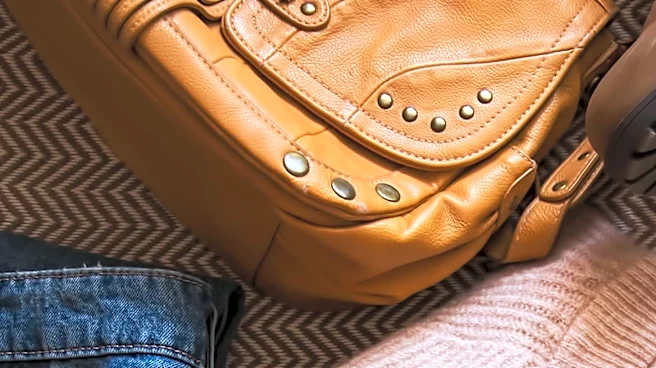
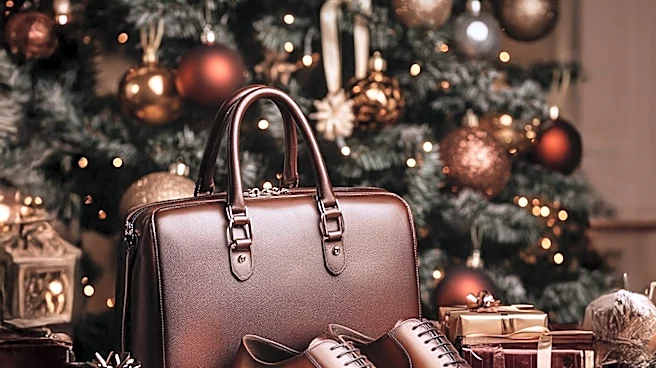
Luxury shoppers are increasingly opting for leather goods and accessories as preferred holiday gifts, a trend observed by platforms like 24S, a Paris-based e-commerce benchmark for Parisian fashion and luxury. This shift is driven by several factors,
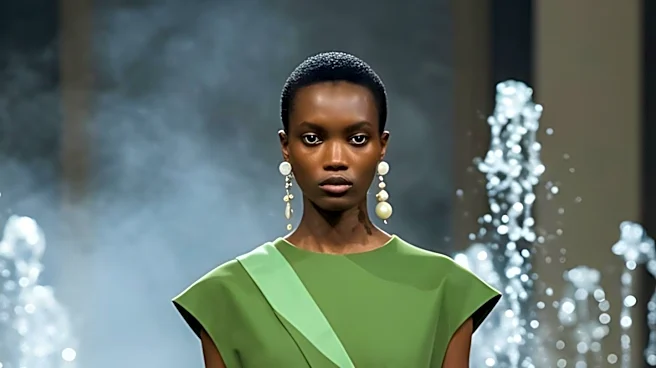
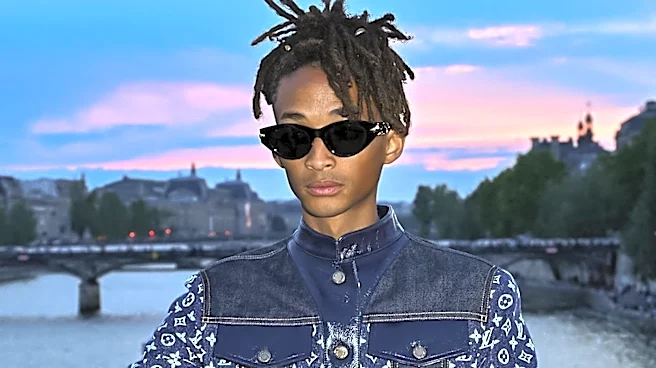
including the desire for curated selections that simplify the gifting process for hurried buyers. Accessories such as long leather gloves, oversized sunglasses, belts, brooches, and faux-fur scarves were prominent on fall/winter 2026 runways, indicating their growing importance in fashion. Brands like Celine, carried by 24S, are offering small, recognizable items like sunglasses, wallets, and card holders. The trend also reflects a broader economic context where consumers are making more careful purchasing decisions, with higher-income households expected to drive much of the holiday spending. Bain reports that consumer sentiment for luxury experiences is growing 1.5 times faster than for physical goods, pushing physical items to justify their value against experiences. Online platforms are adapting by offering curated edits and unique items, such as rare Louis Vuitton pieces from earlier collections, to attract discerning shoppers.
Why It's Important?
This trend signifies a notable shift in consumer behavior within the luxury market, impacting how brands strategize for holiday sales and beyond. The emphasis on smaller, more accessible luxury items like accessories suggests that consumers are seeking value and recognizability without necessarily investing in larger, more expensive pieces like handbags. This could benefit brands that excel in accessory design and production, potentially reallocating marketing and inventory efforts. For multi-brand online luxury platforms, the challenge lies in offering unique, curated selections that stand out in a competitive landscape, as Bain notes increased pressure on these channels. The move towards accessories also reflects a desire for items that offer versatility and can easily integrate into existing wardrobes, appealing to a broader base of value-conscious customers, including Gen Z. This shift could lead to a re-evaluation of pricing strategies and product offerings across the luxury sector, as brands aim to maintain customer goodwill amidst years of steep price increases.
What's Next?
The coming months will reveal whether the increased popularity of gloves, sunglasses, and other accessories is a temporary trend or a lasting change in consumer habits. Industry observers will be watching sales figures through January to assess the staying power of these items, particularly how different styles of gloves and year-round sunglasses perform. The performance of leather goods, which Bain describes as under pressure but improving, will also be a key indicator. If smaller items successfully draw shoppers back to luxury houses, it could eventually benefit the handbag market. Conversely, if accessories begin to replace handbags as primary luxury purchases, brands heavily reliant on handbag profits may face new challenges. Additionally, the impact of generous return policies on retailers will be scrutinized in January figures, as free returns, while convenient for buyers, can be costly for sellers. The annual market study from Bain and Altagamma, expected within weeks, will provide further insights into how the luxury market is concluding 2026.
Beyond the Headlines
The shift towards smaller luxury items and experiences over large physical goods may indicate a deeper cultural evolution in how consumers perceive and value luxury. This could reflect a move away from overt displays of wealth towards more subtle expressions of taste and personal style. The emphasis on recognizability through brand emblems on accessories, rather than the sheer cost of an item, suggests a desire for belonging and self-expression over status. This trend also highlights the ethical and practical considerations in luxury consumption, such as the longevity of leather goods and the authenticity concerns that drive some shoppers to direct-to-brand retailers. The ability of accessories to transcend seasonal trends and move between outfits also speaks to a more sustainable approach to fashion, where items are chosen for their versatility and enduring appeal. This could challenge the traditional fast-fashion cycle within the luxury segment, promoting more thoughtful and lasting purchases.