


What's Happening?
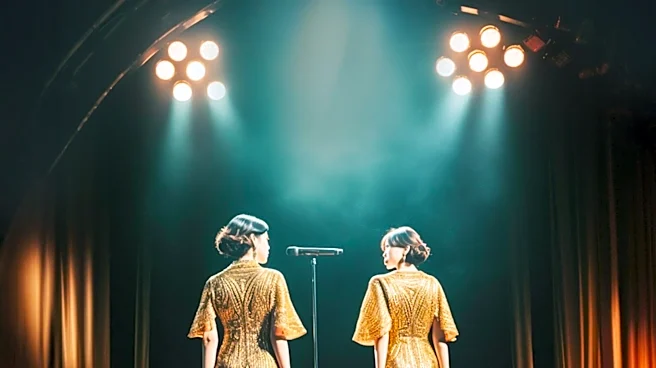
The Neemrana Music Foundation in New Delhi is staging an innovative opera production of 'Monsieur Beaucaire' that incorporates real-time artificial intelligence avatars of silent film stars, including Rudolph Valentino. This production, which combines
a 20-member French orchestra with live Indian opera singers, utilizes facial-capture software developed by French engineer Philippe Engel and students from IIT Delhi. The technology translates live stage movements into digital projections of cinematic legends. Costumes designed by Rajesh Pratap Singh feature E-ink technology, and L'Oréal Paris makeup artists blend 18th-century aesthetics with a futuristic sci-fi visual language. The Neemrana Music Academy, the only institution in India teaching professional opera singing, is also involved, with its students performing alongside the French orchestra. This Indo-French collaboration aims to bridge traditional art forms with modern technology, making classical opera more relevant to younger audiences accustomed to interactive media.
Why It's Important?
This innovative approach by the Neemrana Music Foundation is significant as it offers a potential blueprint for how heritage arts, particularly classical opera, can maintain relevance and attract younger audiences in the 21st century. By integrating cutting-edge AI technology, the production challenges the traditional perception of opera as a 'dusty museum piece.' This fusion of old and new could inspire other cultural institutions globally, including those in the U.S., to explore similar technological integrations to revitalize interest in classical arts. The project demonstrates that technology can serve as a storytelling engine rather than a replacement for human performers, potentially opening new avenues for artistic expression and audience engagement. The collaboration also highlights the growing trend of international partnerships in cultural innovation, fostering cross-cultural dialogue and technological exchange.
What's Next?
The Neemrana Music Foundation's 'Monsieur Beaucaire' production is currently being performed at the Kamani Auditorium and the Lotus Temple in New Delhi. The success of this experimental integration of AI and opera will likely be closely watched by cultural institutions and technology developers worldwide. If successful, this model could lead to further collaborations between art organizations and tech companies, potentially resulting in more immersive and interactive cultural experiences. The foundation's work with IIT Delhi students suggests a future where academic institutions play a more direct role in applying technological advancements to the arts. Future performances or adaptations of this model could explore different historical figures or technological enhancements, pushing the boundaries of live performance and digital interaction.
Beyond the Headlines
The integration of AI avatars of historical figures like Rudolph Valentino into live opera raises intriguing questions about the nature of performance, authenticity, and the preservation of cultural heritage. While the technology aims to enhance storytelling and engage new audiences, it also prompts reflection on the balance between innovation and tradition. The use of E-ink technology in costumes and sci-fi makeup aesthetics further blurs the lines between historical accuracy and futuristic interpretation, suggesting a new aesthetic for classical arts. This project could spark broader discussions about intellectual property rights for digital representations of deceased public figures and the ethical considerations of using AI to 'resurrect' performers. Ultimately, it signifies a potential long-term shift in how art is created, consumed, and preserved in an increasingly digital world, challenging conventional notions of live performance and artistic legacy.