






What's Happening?
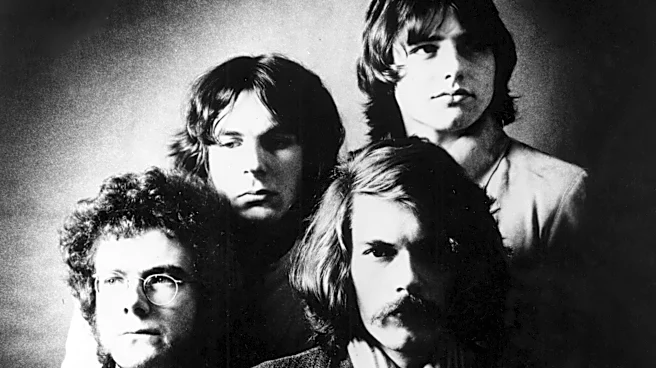
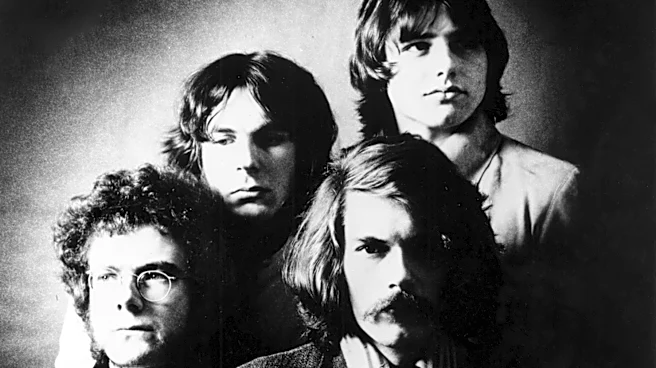
Michael Giles, the co-founder and original drummer of the British progressive rock band King Crimson, passed away on November 23 at the age of 84. His death was officially confirmed on November 25 via a statement on the band's official website, which
acknowledged his significant musical contributions and innovative drumming style. The cause of death was not disclosed. Born in England in 1942, Giles was instrumental in forming Giles, Giles and Fripp in 1967 with his brother Peter and guitarist Robert Fripp. This project ultimately led to the formation of King Crimson. The band's debut album, "In the Court of the Crimson King," released in 1969, is recognized as a seminal work in the progressive rock genre. Although Giles departed King Crimson after their initial tour, he later returned as a session musician for their second album, "In the Wake of Poseidon," in 1970. He also collaborated with former bandmate Ian McDonald on the album "McDonald and Giles."
Why It's Important?
Michael Giles's passing marks the loss of a pivotal figure in the development of progressive rock music. His distinctive drumming, which blended jazz influences with experimental rock, was crucial in shaping the sound and direction of King Crimson, a band that profoundly influenced subsequent generations of musicians. The band's debut album is considered a landmark, establishing many of the conventions and artistic ambitions of the progressive rock movement. Giles's work with King Crimson and other artists like Steve Winwood, Bryan Ferry, and Leo Sayer demonstrated his versatility and impact across various musical landscapes. His innovative approach to rhythm and percussion helped push the boundaries of rock music, contributing to a genre known for its complexity and artistic depth. His legacy will continue to resonate within the progressive music community and among fans who appreciate the foundational works of the genre.
Beyond the Headlines
The death of Michael Giles highlights the enduring influence of early progressive rock pioneers on contemporary music. His innovative drumming style, characterized by its intricate rhythms and fusion of jazz elements, set a high standard for musical experimentation within rock. This approach not only defined King Crimson's unique sound but also inspired countless drummers and bands to explore more complex musical structures and unconventional arrangements. Giles's career trajectory, including his departure from King Crimson and subsequent session work, reflects the dynamic and often challenging nature of creative collaboration within groundbreaking musical groups. His contributions underscore the importance of individual artistry in shaping collective musical movements and remind us of the foundational figures whose work continues to be studied and celebrated for its originality and impact on musical evolution.