







What's Happening?
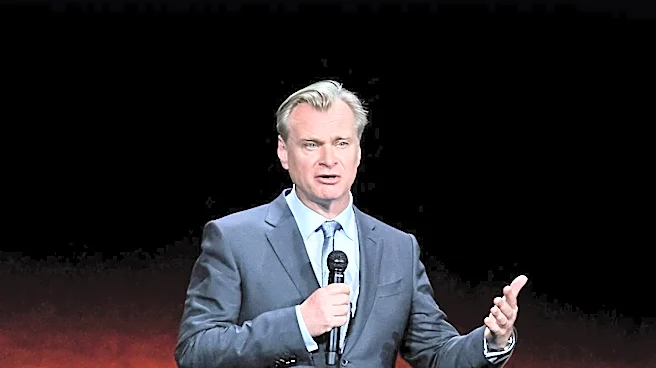
Christopher Nolan's film adaptation of Homer's 'The Odyssey' has sparked significant attention, grossing $264 million at the box office during its opening weekend. The film, starring Matt Damon as Odysseus, diverges from the original epic by omitting
certain dark and comedic elements, such as the hanging of slaves and the playful interactions with gods. Nolan's version focuses on human motivations, removing the Olympian gods from significant roles, and presents a more somber Odysseus, reflecting modern sensibilities. The adaptation has led to a surge in sales of 'The Odyssey' translations, indicating a renewed interest in the ancient text.
Why It's Important?
Nolan's adaptation highlights the challenges and creative liberties involved in translating ancient texts for contemporary audiences. By altering key elements of the original epic, the film reflects current cultural and moral values, potentially influencing how audiences perceive classic literature. The commercial success of the film suggests a strong market for reimagined classics, which could encourage further adaptations of ancient works. However, the changes also raise questions about the preservation of original themes and the impact of modern interpretations on cultural heritage.
What's Next?
The film's success may lead to more adaptations of classic literature, prompting discussions about the balance between staying true to original texts and making them accessible to modern viewers. Scholars and critics might continue to debate the implications of such adaptations on cultural understanding and education. Additionally, the film's reception could influence future projects by filmmakers seeking to reinterpret historical narratives for contemporary audiences.
Beyond the Headlines
Nolan's adaptation underscores the ongoing dialogue between past and present cultural narratives. By reshaping 'The Odyssey' to fit modern tastes, the film invites viewers to reconsider the relevance of ancient stories in today's world. This approach may encourage audiences to explore the original texts, fostering a deeper appreciation for historical literature and its enduring impact on society.