


What's Happening?
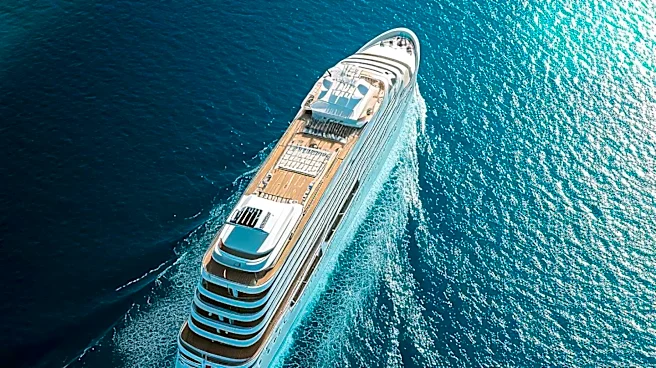
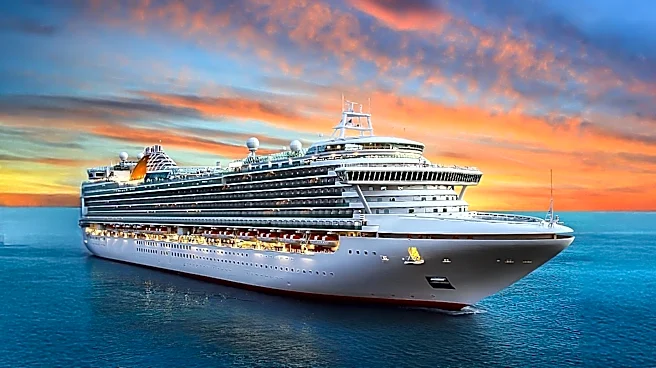
Repositioning cruises, which occur when cruise lines move ships between seasonal cruising regions, are offering substantial discounts and unique travel opportunities. These cruises typically take place during the spring and fall, as ships transition from
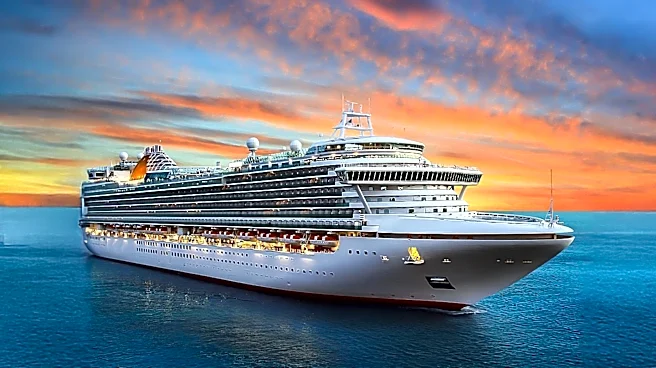
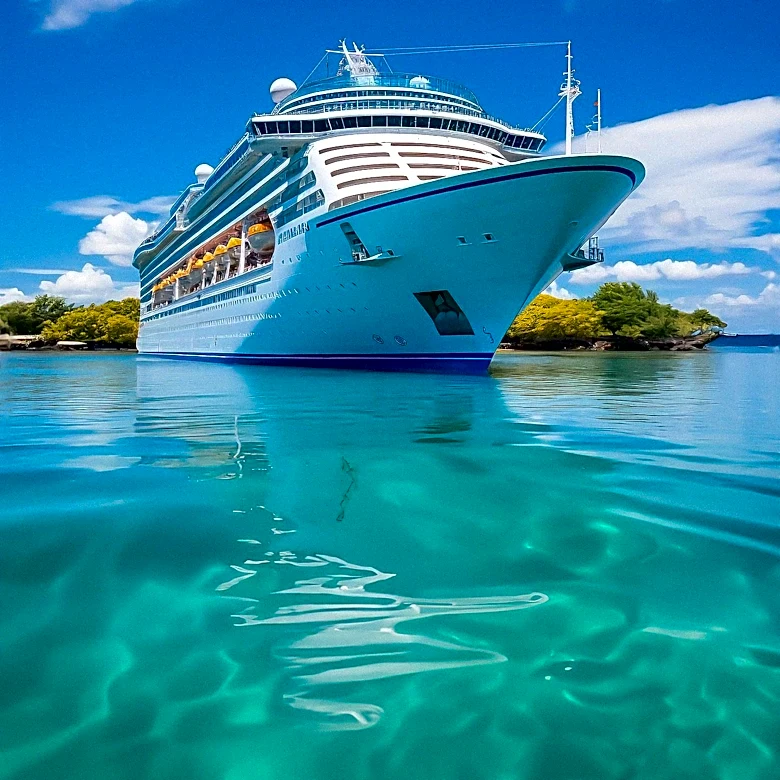
areas like Alaska to warmer climates or cross oceans. For example, a Disney Cruise Ship was observed repositioning from Vancouver after its Alaska season. Cruise lines often reduce fares dramatically for these voyages to fill cabins, as the primary goal is to relocate the vessel. While these cruises generally feature fewer ports of call compared to traditional itineraries, they provide an attractive option for travelers seeking extended sea days and significant savings. Incentives can include airfare, hotel accommodations, and transfers, making them highly cost-effective.
Why It's Important?
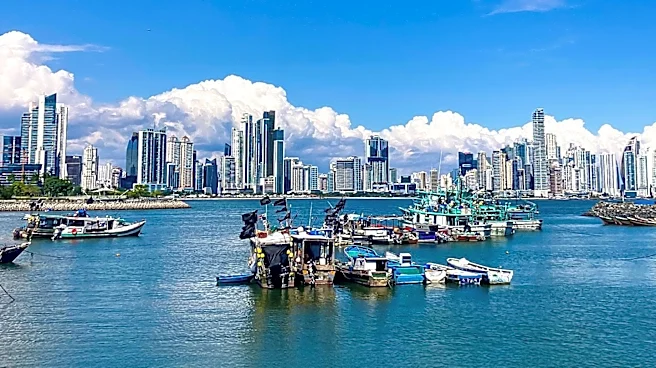
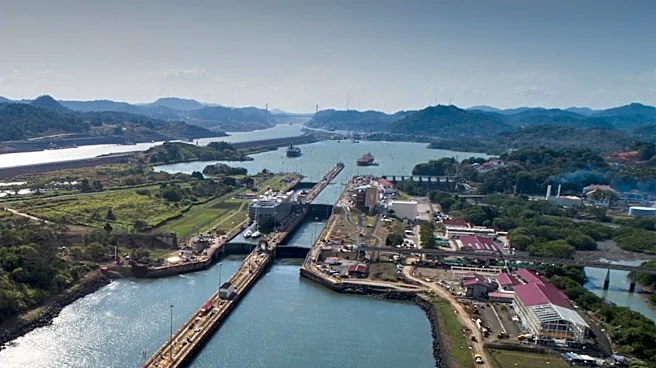
The availability of repositioning cruises with deep discounts is important for the travel industry and consumers alike. For cruise lines, it's a strategic way to monetize the necessary movement of their fleet, ensuring ships are not sailing empty between regions. This practice helps maintain profitability and operational efficiency. For consumers, especially those with flexible schedules like retirees, these cruises offer an accessible entry point into longer, more luxurious voyages that might otherwise be cost-prohibitive. The reduced port calls shift the focus from destination-intensive travel to the onboard experience, potentially increasing passenger spending on amenities like casinos, lounges, and retail shops. This model also allows for unique itineraries, such as trans-Panama Canal or transatlantic crossings, which are less common in standard cruise offerings, broadening the appeal of cruise travel to a wider demographic.
What's Next?
Travelers can anticipate continued offerings of repositioning cruises, particularly in the spring and fall seasons, as cruise lines maintain their seasonal schedules. Industry experts recommend signing up for email newsletters from cruise lines and travel promoters to stay informed about these deals, as they often surface daily. Travel professionals can also provide guidance on securing these specials. For instance, a repositioning cruise from Fort Lauderdale through the Panama Canal to Vancouver is already booked for April 2027, indicating that these opportunities are planned well in advance. As the popularity of these value-driven voyages grows, cruise lines may further refine their offerings, potentially including more diverse routes or enhanced onboard experiences to cater to the specific preferences of repositioning cruise passengers.
Beyond the Headlines
Beyond the immediate financial benefits, repositioning cruises highlight a fascinating logistical aspect of the global tourism industry. The seasonal migration of entire cruise fleets underscores the intricate planning and operational challenges faced by major cruise lines. These voyages also offer a different kind of travel experience, emphasizing the journey itself rather than a rapid succession of destinations. This slower pace can appeal to travelers seeking relaxation, introspection, or a deeper engagement with the ship's amenities and fellow passengers. The environmental implications of moving large vessels across oceans, even with passengers, are also a consideration, prompting ongoing discussions within the industry about fuel efficiency and sustainable practices. Ultimately, repositioning cruises represent a dynamic segment of the travel market that balances economic necessity with unique consumer demand.