







What's Happening?
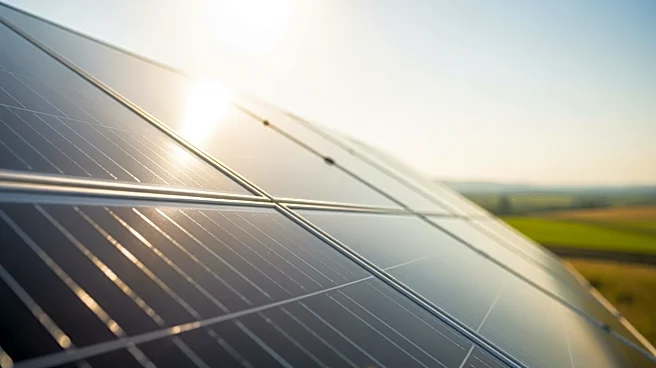
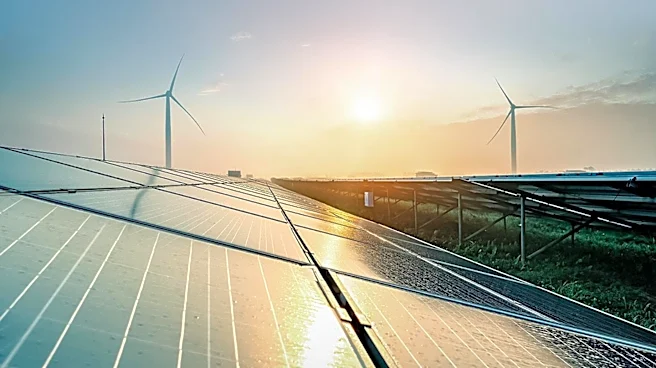
A TIME magazine article by Alexis Abramson highlights the growing appeal of solar energy as a means of achieving energy independence, particularly in the context of global conflicts affecting fossil fuel supplies. The article notes that the recent conflict in Iran
has accelerated interest in renewable energy, as it underscores the vulnerabilities associated with fossil fuel dependence. The shift towards solar energy is driven by a desire for control over energy sources, as consumers seek stability amid rising gas prices and grid reliability concerns. The Inflation Reduction Act has further boosted solar adoption, with solar now accounting for a significant portion of new grid-scale generating capacity.
Why It's Important?
The increasing focus on solar energy reflects a broader trend towards decentralization and self-sufficiency in energy production. For the U.S., this shift could lead to reduced reliance on foreign oil, enhanced energy security, and economic benefits from the growing renewable energy sector. The move towards solar also aligns with efforts to combat climate change and reduce carbon emissions. As more consumers and businesses adopt solar solutions, the U.S. could see a transformation in its energy landscape, with implications for energy policy, infrastructure, and market dynamics.
What's Next?
The continued growth of solar energy may lead to increased investment in related technologies, such as energy storage and smart grid systems. Policymakers might focus on supporting the expansion of solar infrastructure through incentives and regulatory frameworks. The transition could also drive innovation in solar technology, making it more accessible and affordable for a wider range of consumers. As the U.S. and other countries navigate the challenges of energy transition, solar energy is likely to play a central role in shaping the future of energy production and consumption.