




What's Happening?
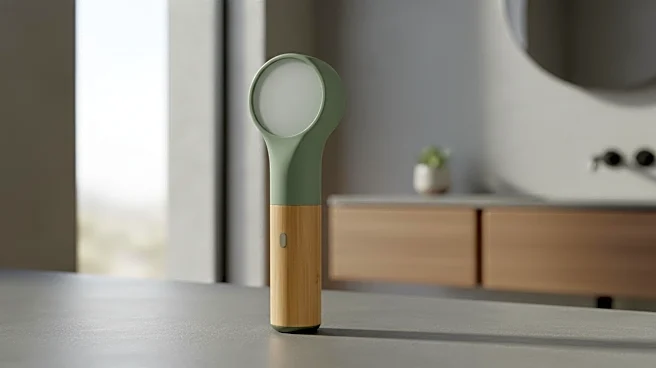
Green light therapy is emerging as a popular skincare treatment, touted for its potential to reduce hyperpigmentation and inflammation. This non-invasive therapy uses specific wavelengths of light to target skin concerns, such as dark spots and redness.
Dermatologists note that while green light therapy may offer benefits like improved skin tone and anti-inflammatory effects, the scientific evidence supporting its efficacy is limited. Most existing studies are funded by companies selling beauty devices, raising questions about the reliability of the data.
Why It's Important?
The growing interest in green light therapy reflects a broader trend in the beauty industry towards non-invasive, technology-driven skincare solutions. As consumers increasingly seek out treatments that promise quick and visible results, the demand for light therapy devices is likely to rise. However, the lack of robust scientific evidence poses challenges for consumers trying to make informed decisions. This situation underscores the need for more independent research to validate the claims made by manufacturers and ensure consumer safety.
What's Next?
As the popularity of green light therapy continues to grow, there may be increased calls for regulatory oversight to ensure the safety and efficacy of at-home devices. Dermatologists and skincare professionals are likely to advocate for more comprehensive studies to better understand the potential benefits and risks associated with this treatment. Consumers are advised to approach new skincare technologies with caution and seek advice from qualified professionals before incorporating them into their routines.
Beyond the Headlines
The rise of green light therapy highlights the intersection of technology and beauty, as well as the challenges of navigating a market flooded with new and often unverified products. It also raises ethical questions about the marketing practices of beauty companies and the responsibility of influencers in promoting products without sufficient scientific backing. This trend may prompt a broader discussion about the role of science in the beauty industry and the importance of evidence-based practices.