









What's Happening?
The Ohio Farm Bureau has introduced a new Agritourism Guide designed to assist its members in navigating the legal, regulatory, and risk management aspects of opening their farms to the public. Agritourism, which includes activities like farm stays, U-pick
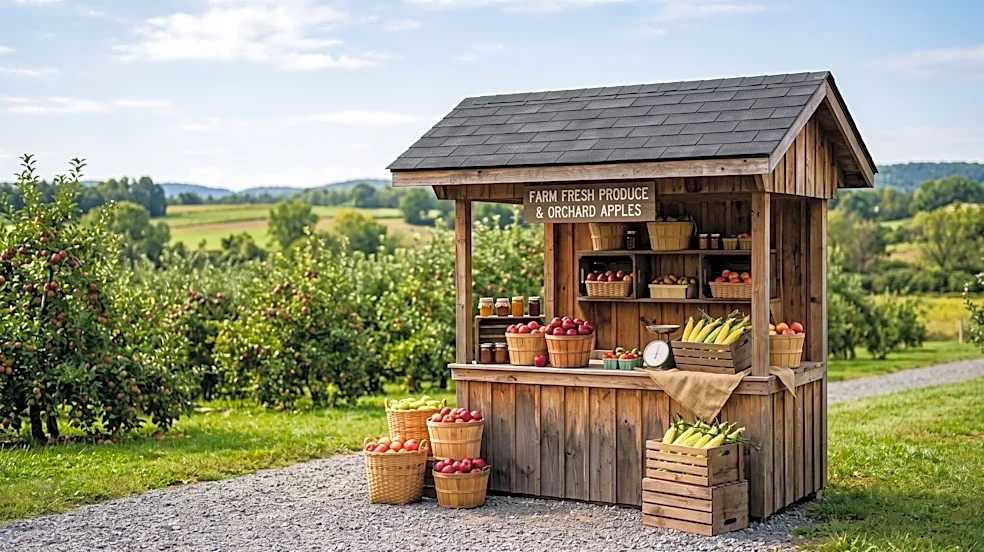
orchards, corn mazes, and farm markets, has become a significant way for farm families to diversify their income and connect consumers directly with agriculture. The guide provides comprehensive information on topics such as liability protection, risk management, zoning, building and fire codes, ADA compliance, vendor licenses, and food and beverage sales. Leah Hetrick, director of legal education and member engagement for Ohio Farm Bureau, highlighted that the guide aims to provide practical information for members looking to understand the responsibilities and potential ventures in agritourism. The guide is an exclusive member benefit, available online through the Ohio Farm Bureau, and is intended to help farmers make informed decisions for their businesses.
Why It's Important?
This initiative is crucial for the U.S. agricultural sector, particularly in states like Ohio, as it empowers farmers to explore new revenue streams beyond traditional crop and livestock production. With the economic environment for regional businesses changing and consumer expectations evolving, agritourism offers a vital path to resilience and value retention for farm families. By providing clear guidance on legal and safety considerations, the Ohio Farm Bureau helps mitigate risks that might otherwise deter farmers from engaging in agritourism. This support can lead to increased financial stability for farms, foster a deeper connection between consumers and their food sources, and stimulate local economies through increased visitor spending. The guide addresses the complexities of operating a public-facing business on a farm, ensuring that farmers can safely and effectively capitalize on the growing demand for authentic agricultural experiences.
What's Next?
The Ohio Farm Bureau's Agritourism Guide is expected to be a key resource for members looking to expand or establish agritourism operations. Farmers like Cecil and Melissa Rapp, who operate Bedford Falls Christmas Tree Farm, plan to utilize the guide to safely enhance their year-round offerings. The guide's availability as an exclusive member benefit will likely encourage more farmers to join the Ohio Farm Bureau to access this valuable resource. Future developments may include workshops, seminars, and continued updates to the guide as regulations and best practices evolve. The emphasis on safety and proper signage, as highlighted by Leah Hetrick, suggests ongoing efforts to ensure compliance and minimize risks for both farmers and visitors. The success of this guide could also inspire similar initiatives in other states, further promoting the growth and professionalization of the agritourism sector nationwide.
Beyond the Headlines
The rise of agritourism, supported by resources like the Ohio Farm Bureau's guide, reflects a broader societal shift towards experiential consumption and a desire for authenticity. In an increasingly urbanized society, agritourism bridges the gap between food production and consumption, allowing people to witness the complexities of farming firsthand. This trend has ethical and cultural implications, as it can foster greater appreciation for agricultural labor, promote sustainable practices, and preserve rural heritage. By transforming farms into educational and recreational destinations, agritourism not only generates income but also strengthens community ties and builds trust between producers and consumers. The guide's focus on legal and safety aspects underscores the importance of balancing economic opportunity with responsible stewardship, ensuring that the growth of agritourism benefits all stakeholders while maintaining the integrity of agricultural operations.