




What's Happening?
Four senior executives at a Russian bank operating in Europe are alleged to have exploited EU sanctions in 2022, potentially earning up to 9 million euros through personal bond trades. The Financial Times reports that these bankers took advantage of a Kremlin
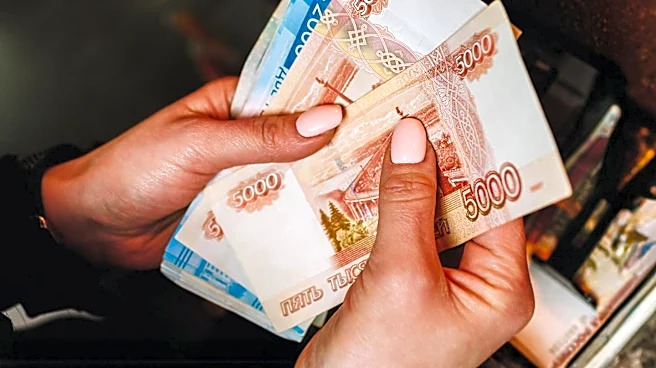
decree that allowed foreign-currency bonds of state-owned energy company Gazprom, which had plummeted in value due to Western sanctions, to be replaced with new ones at full face value in Russia. The executives reportedly secured personal loans from their employer, Gazprombank Luxembourg, to purchase these undervalued bonds in Europe. They then exchanged them in Russia for full-value ruble bonds. Internal communications from Gazprombank Luxembourg indicated early awareness of settlement problems with Russian securities transactions. The transactions involved the National Settlement Depository (NSD), a Russian entity under EU sanctions. Legal and economic experts, along with European officials, have raised concerns about potential circumvention of EU sanctions and the use of inside information. The bankers are suspected of coordinating over 50 transactions, often buying specific bonds shortly before Gazprom officially announced their eligibility for exchange, suggesting prior knowledge.
Why It's Important?
This situation highlights significant vulnerabilities and potential loopholes within the EU sanctions regime, particularly concerning the financial activities of individuals associated with sanctioned entities. The alleged exploitation by these bankers demonstrates how complex international sanctions, while intended to exert economic pressure, can inadvertently create opportunities for illicit profit. The case raises critical questions about the effectiveness of current regulatory frameworks in Luxembourg, where the bank is based, and the broader European Union in preventing such circumvention. If confirmed, these actions could undermine the integrity and deterrent effect of sanctions, potentially encouraging others to seek similar avenues for personal gain. It also underscores the challenge of distinguishing between legitimate financial maneuvers and activities that exploit market distortions created by sanctions, especially when involving entities like Gazprom, which was exempted from comprehensive EU sanctions despite its state ownership.
What's Next?
The allegations are expected to trigger further scrutiny and potential criminal investigations in Luxembourg, as suggested by a European official. Regulators had previously investigated the transactions but reportedly limited their action to requesting an update to the bank's employee handbook. This new information may prompt a more thorough review of Gazprombank Luxembourg's operations and its executives' conduct. Policymakers and compliance professionals will likely re-evaluate the design and implementation of sanctions to close loopholes and prevent similar exploitation. This case could lead to stricter regulations regarding personal trading by executives of financial institutions operating under sanctions, particularly when dealing with assets affected by those sanctions. The broader implications for the U.S. include potential pressure on its allies to strengthen their enforcement mechanisms and ensure that sanctions are not inadvertently creating opportunities for those they aim to penalize.
Beyond the Headlines
The incident exposes a deeper ethical and legal dilemma: how to effectively implement economic warfare through sanctions without creating perverse incentives or opportunities for market abuse. The systematic coordination and timing of the bond purchases by the bankers suggest a sophisticated understanding of market dynamics and regulatory blind spots. This raises questions about corporate governance, insider trading, and the ethical responsibilities of financial executives, especially in times of geopolitical tension. The case also highlights the ongoing challenge of enforcing sanctions across complex international financial systems, where legal and regulatory interpretations can vary. It underscores the need for greater international cooperation and harmonization of sanctions enforcement to prevent individuals from profiting from the very measures designed to isolate and pressure states. The perceived leniency of initial regulatory responses in Luxembourg could also prompt a broader discussion about the robustness of financial oversight in certain European jurisdictions.