







What's Happening?
Efforts to bolster domestic tungsten production in the U.S. are intensifying, driven by global supply chain concerns and the metal's critical role in advanced manufacturing, defense, and technology. American Tungsten, for instance, is positioning itself
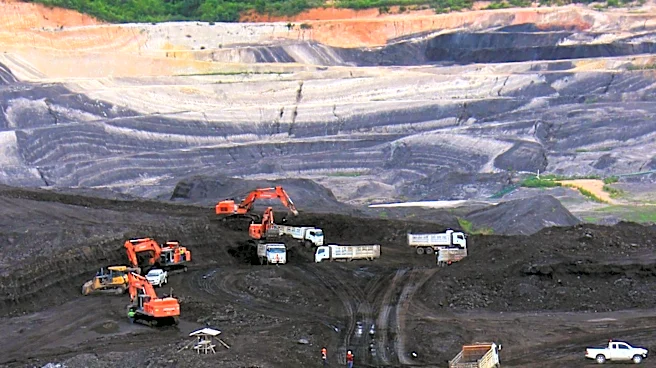
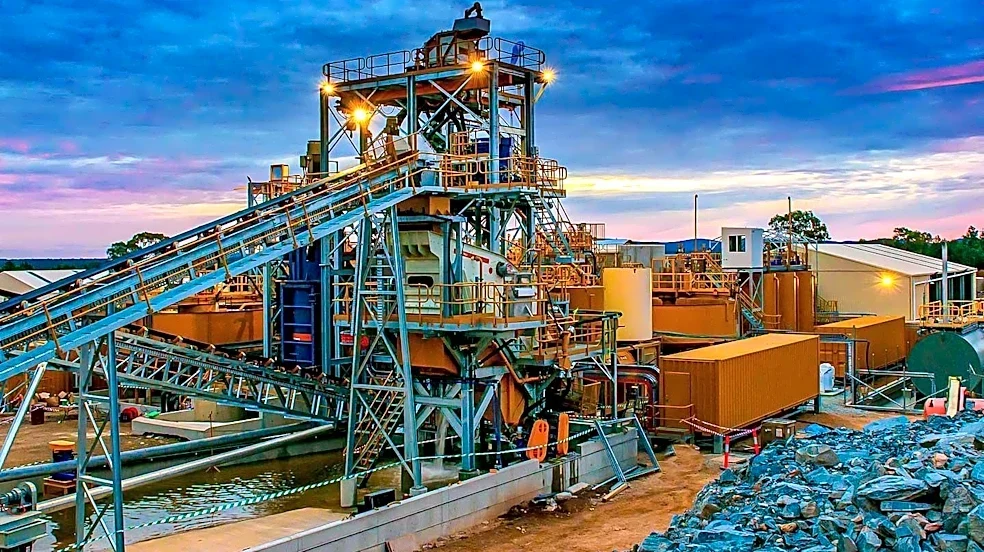
as a future U.S. producer through its IMA Mine in Idaho, a brownfield asset with existing infrastructure and historical production. The company is targeting tailings reprocessing by the end of 2026 as a near-term production opportunity and has received a letter of interest from the U.S. Export-Import Bank (EXIM) for a potential loan of up to $25.5 million to develop its mining and milling facilities. Additionally, EQ Resources is involved in a planned processing joint venture for the Springer Tungsten Complex in Nevada, aiming to restart its ammonium paratungstate plant. These initiatives are part of a broader push by North American governments to secure independent tungsten supply chains, as China currently controls approximately 83% of global tungsten mine production.
Why It's Important?
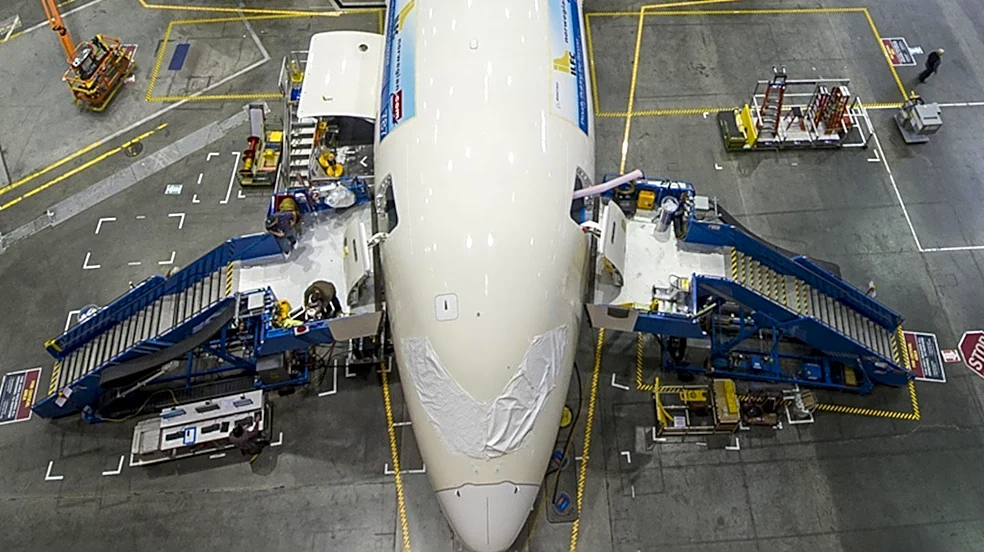
The push for increased U.S. domestic tungsten production is critically important for national security, economic stability, and technological independence. Tungsten is a vital component in numerous strategic applications, including advanced manufacturing, electric vehicles, artificial intelligence, semiconductors, and defense systems, where its unique properties (hardness, density, high melting point) make it difficult to substitute. The current reliance on foreign sources, particularly China, poses significant supply chain vulnerabilities, as demonstrated by China's export controls in 2025. Developing a robust domestic supply reduces geopolitical risks, ensures access to essential materials for key industries, and supports job creation within the U.S. mining and processing sectors. This strategic shift aims to mitigate the impact of potential supply disruptions and foster greater self-sufficiency in critical minerals.
What's Next?
American Tungsten plans to advance its IMA Mine project, focusing on increasing resource confidence through drilling and moving towards a preliminary economic assessment. The company's goal of initiating tailings reprocessing by late 2026 could provide an early boost to domestic supply. The EXIM loan, if finalized, will be crucial for developing mining and milling facilities. Similarly, the joint venture involving EQ Resources to restart the Springer Tungsten Complex in Nevada will contribute to U.S. processing capabilities. These efforts are expected to continue, supported by government initiatives aimed at accelerating domestic critical minerals production. The success of these projects will be closely watched as indicators of the U.S.'s ability to reduce its dependence on foreign tungsten sources and strengthen its industrial base.
Beyond the Headlines
The drive for domestic tungsten production reflects a broader global trend of resource nationalism and the strategic re-evaluation of critical mineral supply chains. Beyond economic and security concerns, this initiative touches upon environmental and social considerations, as domestic mining projects must adhere to U.S. regulatory standards, which are often more stringent than those in other major producing countries. This could lead to innovations in sustainable mining and processing technologies. The long-term implications include a potential reshaping of global trade dynamics for critical minerals, fostering greater collaboration among allied nations to diversify supply. It also highlights the ethical imperative of ensuring responsible sourcing and production of materials essential for modern life, balancing industrial needs with environmental stewardship and community well-being.