



What's Happening?
The footwear industry is experiencing a shift as a new fashion cycle emerges, bringing changes to sales patterns and consumer preferences. Retailers and brands are optimistic about the potential for growth as trends in dress and casual footwear gain popularity.
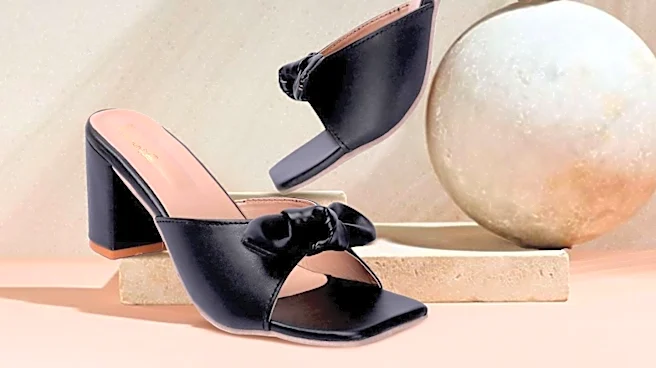
The emphasis on new styles, such as ballet flats and Mary Janes, is driving consumer interest. However, the industry is also seeing a normalization in casual and athletic shoe sales after years of strong performance. Companies like Designer Brands Inc. and Steven Madden Ltd. have noted a shift back towards fashion and occasion-based products.
Why It's Important?
The shift in footwear trends reflects broader changes in consumer behavior and fashion preferences. As the market moves away from the dominance of athletic and casual sneakers, brands have the opportunity to innovate and capture new segments. This transition could lead to increased competition and the need for strategic marketing and product development. The normalization of athletic shoe sales may impact companies that heavily rely on this segment, prompting them to diversify their offerings. The evolving fashion cycle highlights the importance of staying attuned to consumer trends and adapting to changing market dynamics.
What's Next?
As the new fashion cycle continues, footwear brands and retailers will focus on capitalizing on emerging trends and meeting consumer demand for fresh styles. Companies may invest in marketing campaigns and product innovation to differentiate themselves in a competitive market. The shift in sales patterns may also lead to strategic adjustments in inventory management and distribution channels. The industry's response to these changes will be crucial in determining its ability to sustain growth and profitability. The situation underscores the need for agility and foresight in navigating the evolving fashion landscape.