


What's Happening?
Dressing like a celebrity is attainable without a large budget by focusing on key elements such as fit, fabric quality, and how often a garment is worn. The perception of an 'expensive' look is less about the price tag and more about these fundamental
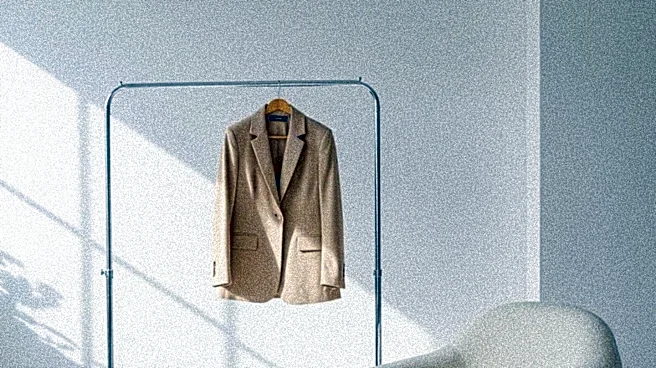
aspects. A study indicates that Americans typically wear their clothes only seven times before discarding them, suggesting a shift towards buying fewer, higher-quality pieces that are worn more frequently can lead to a more sophisticated wardrobe. The article highlights specific categories like knitwear, denim, and outerwear, recommending brands and shopping strategies that prioritize longevity and style over fleeting trends. For instance, knitwear quality is assessed by yarn feel, seam construction, and neckline, while denim fit in the waistband and hip area is crucial for sustained wear. Coats are emphasized as a primary visual piece, with fabric weight and blend being more important than brand name for durability and warmth.
Why It's Important?
This approach to fashion challenges the consumerist notion that high cost equates to high style, promoting a more sustainable and mindful way of building a wardrobe. By emphasizing fit, fabric, and wearability, consumers can make more informed purchasing decisions that result in a more versatile and enduring collection of clothing. This shift can reduce textile waste, as garments are worn more frequently and for longer periods, countering the fast fashion cycle. Economically, it empowers individuals to achieve a polished look without financial strain, making celebrity-inspired fashion accessible to a broader audience. It also encourages support for brands that prioritize quality and timeless design, potentially influencing industry trends towards more sustainable production practices and away from disposable fashion.
What's Next?
Consumers may increasingly adopt a 'buy less, wear more' philosophy, leading to a greater demand for durable, well-constructed clothing. This could prompt fashion brands to focus more on quality materials and timeless designs rather than rapid trend cycles. The secondhand market and clothing rental services are also likely to see continued growth as consumers seek cost-effective and sustainable ways to refresh their wardrobes for specific events or to try new styles. Retailers might adapt by offering more detailed information about fabric composition, garment construction, and care instructions to help consumers make informed choices. Additionally, the emphasis on personal style over brand names could foster a more individualized approach to fashion, where consumers prioritize comfort and personal expression.
Beyond the Headlines
The underlying message extends beyond fashion to broader themes of consumer behavior and sustainability. By advocating for thoughtful consumption, the article touches upon the ethical implications of fast fashion, including its environmental impact and labor practices. It suggests a cultural shift where value is placed on longevity and craftsmanship rather than disposability and brand prestige. This perspective encourages consumers to view clothing as an investment rather than a temporary purchase, fostering a deeper appreciation for the items they own. Such a mindset can lead to a more conscious lifestyle, influencing purchasing decisions in other areas beyond fashion and promoting a more sustainable relationship with material goods.