





What's Happening?
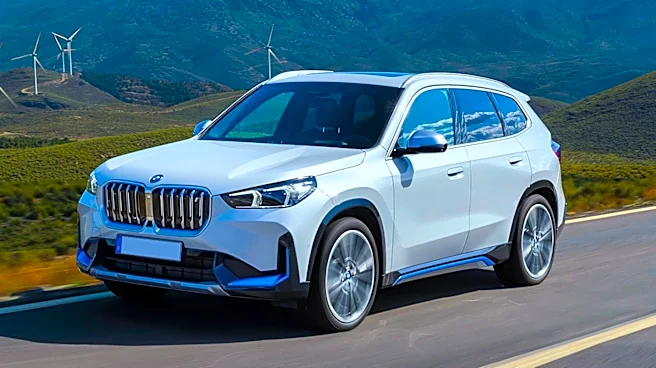
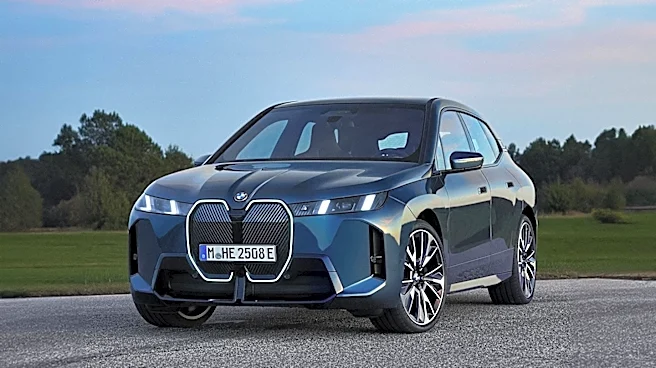
BMW and Toyota, in collaboration with Bosch and Repsol, have initiated a six-month pilot program in Spain to test the viability of renewable gasoline as a means to decarbonize transportation. This initiative involves approximately 20 vehicles from BMW and Toyota running
exclusively on Repsol's 100% renewable gasoline. The project aims to demonstrate that internal-combustion engines can continue to operate sustainably without the need for new infrastructure or engine modifications. Bosch is providing a digital tracking system to verify the fuel's origin and usage, ensuring transparency and accountability. The companies are targeting European policymakers, advocating for a diversified approach to achieving carbon neutrality, rather than relying solely on electrification.
Why It's Important?
The significance of this initiative lies in its potential to offer an alternative path to carbon neutrality that does not require the complete overhaul of existing vehicle fleets or infrastructure. By using renewable gasoline, millions of internal-combustion vehicles could reduce their carbon footprint, providing a complementary solution to electrification. This approach could appeal to regions with limited electric vehicle infrastructure and offer a more immediate reduction in emissions. The success of this pilot could influence regulatory policies, encouraging a more inclusive strategy that incorporates multiple technologies to meet emissions targets.
What's Next?
The data collected from this pilot will be shared with regulators and industry groups, potentially influencing the ongoing debate over Europe's automotive policies post-2035. If successful, this could lead to broader acceptance and implementation of renewable fuels as a viable option alongside electric vehicles. The outcome of this test could also impact global automotive strategies, encouraging other regions to consider similar approaches to decarbonization.